
Archive
-
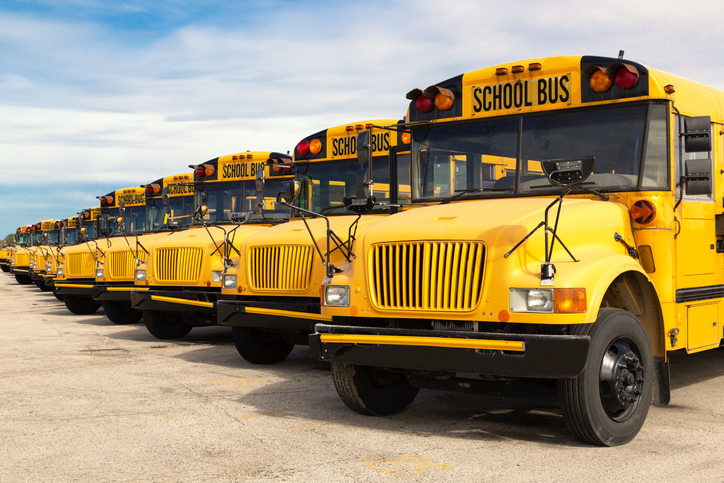
Electric School Buses Are Flipping the Traditional Electricity Model on Its Head
•
From San Francisco to Chicago to Fairfax, Va., electric buses are helping school districts reduce their carbon footprints and protect the lungs of their young riders. Unlike more popular transit options, electric school buses provide great opportunities to reshape the electric grid without disadvantages such as low range or demand…
-
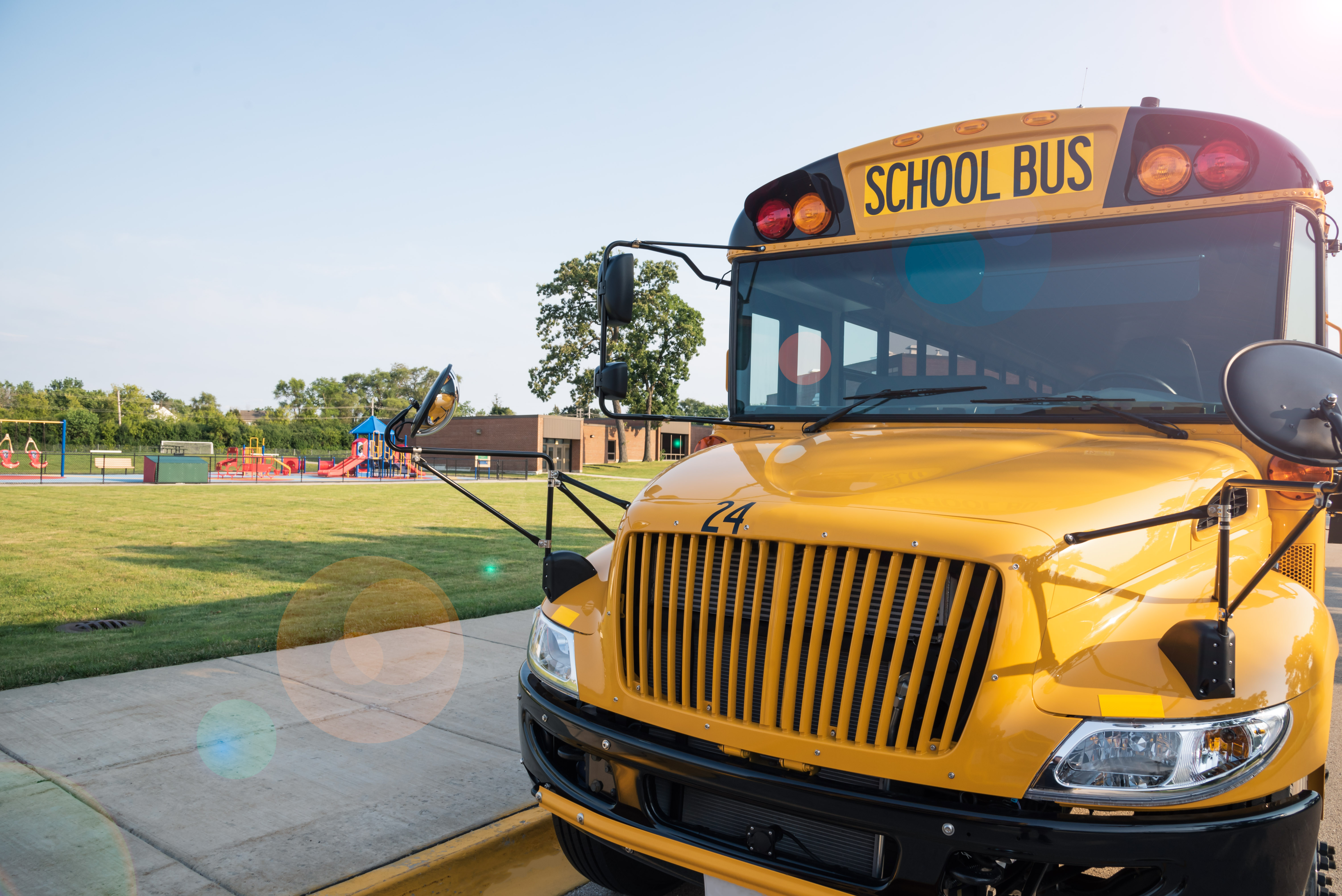
Do Electric School Buses Have an Impact in the Classroom?
•
Policy experts have studied the many social determinants of health for years. Most researchers agree that a person’s health is dependent on his or her social and physical environment. Many studies have examined how repeated exposure to air pollution increases the risk of developing asthma and pneumonia. School buses, which…
-
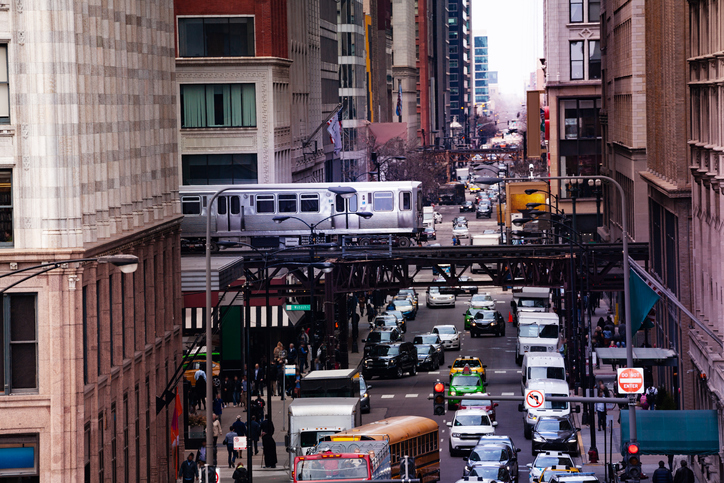
UberPool vs. Public Transit: The Race Is On
•
In the last decade, transportation network companies (TNCs) such as Uber and Lyft have significantly disrupted urban mobility. Commonly known as “ride-sharing,” TNCs’ app-based services provide millions of customers an alternative to traditional transportation modes such as public transit. A subset of these services is “ride-splitting,” such as UberPool, which…
-

Keeping Students Safe: Positive Results from Chicago’s Safe Passage Program
•
In the effort to reduce violence in Chicago, one important focus area is keeping students safe on their way to school. In 2009, the city launched the Safe Passage program as a novel method of addressing this issue. Safe Passage hires civilian guards and places them around schools during the…
-

Permafrost Thaw and Backwards Arctic Incentives Could Add Trillions to Climate Costs
•
Surrounding the Arctic Ocean, lying along a nearly continuous 10,000 mile (16,000 km) ring of inhospitable tundra, one of Earth’s most important environmental assets is beginning to collapse. Permafrost — perennially frozen soil and rock — may not look like much, but estimates suggest that vast tracts of icy ground…
-

Crime Prevention for Economic Development: Lessons from Chicago and Los Angeles
•
Crime imposes an immense burden on cities, taking its toll in higher policing costs, lower property values, fewer job opportunities, and reduced overall quality of life. High and rising rates of crime are often cited as reasons for businesses not to locate to areas of concentrated poverty. Meanwhile, municipal leaders…
-

Drug Prices Do Not Always Decrease After Decriminalization
•
The challenges of illegal drug use in the United States and around the world have been addressed in many ways over the past decades, from harsh sentencing guidelines to anti-trafficking activities. Decriminalization, or the legalization of drugs, is an approach that has gained popularity, despite the argument that removing the…
-
Uber y el Transporte Público: una Relación Complicada
•
En el año 2018, el uso de la aplicación Uber alcanzó a más de 600 ciudades en 65 países alrededor del mundo. Utilizando un modelo de negocios agresivo, y a pesar de múltiples acusaciones e investigaciones relacionadas con la discriminación de género y el acoso sexual, la compañía se ha…
-

Modern Families: An Interview with UN Women on Progress of the World’s Women 2019–2020: Families in a Changing World
•
Ginette Azcona is a Research and Data Policy Specialist at UN Women and currently leads the data and statistics work for UN Women’s flagship reports, including UN Women’s Progress of the World’s Women, Survey on the Role of Women in Development, and the 2018 SDG report Turning Promises into Action. She…
-

An interview with the former head of NATO: defense policy for students
•
The following is an edited transcript of part of an interview conducted by Thomas Krasnican and Nick Paraiso, first-year students at the Harris School of Public Policy for their UC3P original podcast series, Thank You For Your Service. The full interview can be found here or at their iTunes page.…
-
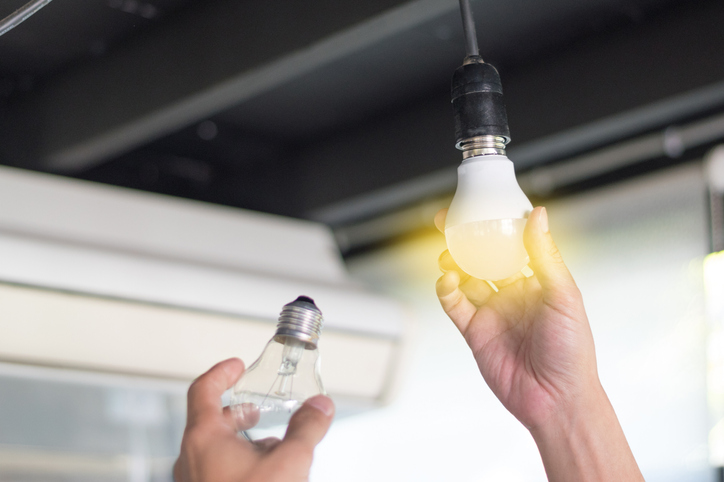
Can a Small Nudge Make a Big Impact on Household Energy Efficiency?
•
As America’s policymakers grapple with ways to reduce the nation’s carbon footprint, one often-overlooked area is ripe for improvement: household energy consumption. According to the Department of Energy, about 22 percent of energy consumed in the United States in 2016 was used by residential households. Yet, while residential energy consumption…