
Archive
-

A Call to Simplify and Broaden Expungement Laws
•
Formerly incarcerated individuals are often released only to find social and economic barriers harsher than the penalty itself. The internet age makes this problem even worse given the ease of accessing criminal records. Recognizing these barriers, most jurisdictions have enacted laws that permit individuals who show good behavior to obtain…
-

Las consecuencias de la militarización de la seguridad pública en la fortaleza del Estado mexicano
•
En diversos países de América Latina, las Organizaciones Traficantes de Drogas (OTDs) representan una gran amenaza porque desestabilizan y desafían las capacidades del Estado. En la literatura especializada, la capacidad del Estado se define como la habilidad para ejercer el control sobre un territorio determinado y regular así sus relaciones…
-

How Does Pollen Affect Criminal Activity?
•
A simple model of crime suggests that a criminal will act when the benefits of committing the crime outweigh the costs. The benefits might include anything from financial gain to emotional release. The costs are also wide-ranging — from the obvious legal punishments to the more subtle ways in which…
-

Green Spaces, Gray Cities: Confronting Institutional Barriers to Urban Reform
•
In many of the world’s largest urban areas, the basic standards of living set out in the Sustainable Development Goals are woefully out of reach. In the developing world, cities won’t achieve those goals without providing adequate green space. Conceived broadly, green space is anything ranging from parks or clean…
-

What is the Net Benefit of Net Neutrality?
•
An individual with internet service can access more information than she could ever consume. “Net neutrality” seeks to maintain information access by preventing pricing schemes that discriminate based on source and content. In recent years, internet service providers (ISPs) have begun monetizing traditionally free internet services, placing the principals of…
-

Does Homeownership Make Workers More Resilient After Economic Shocks?
•
During the Great Recession, workers around the globe unexpectedly lost their jobs due to large-scale layoffs and firm bankruptcies. The factors that led to their loss of employment were often unrelated to the individual. However, what happened afterward — whether they found new employment, what wage they accepted if they…
-

Election Interference: A Conversation on the Steps to a More Secure Democracy
•
Maurice Turner serves as the Deputy Director of the Internet Architecture Project at the Center for Democracy & Technology, a Washington, D.C.-based non-profit advocacy organization dedicated to ensuring an open, innovative, and free internet. Prior to his current role, Turner served on the Republican staff of the Senate Committee on…
-
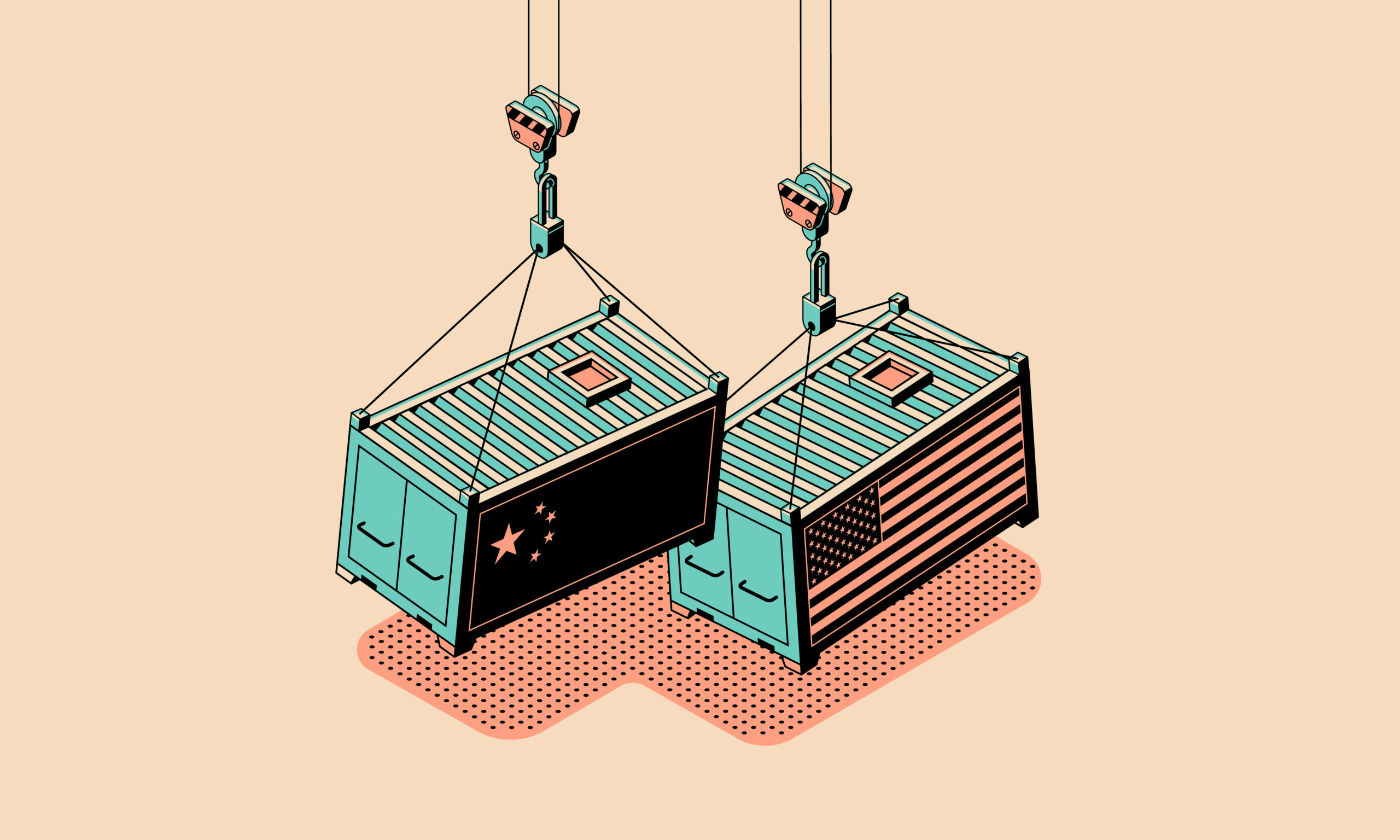
What the U.S. Can Learn from the Success of China’s Special Economic Zones
•
Developed countries are struggling to tackle growing geographic inequality, a phenomenon fueling populism and discontent at the polls in Europe and the United States. In the face of economic change, large, globally connected cities have thrived, while many former industrial hubs have shrunk. Governments are now looking for ways to…
-

SNAP Purchasing Power and Child Health Care Utilization: Estimating a Causal Relationship
•
The Supplemental Nutrition Assistant Program (SNAP), formerly known as the Food Stamp Program, is the largest and most impactful anti-hunger program in the United States. The program targets low-income households, as eligibility is based only on household income. In 2018, it provided assistance to an average of 40 million people…
-

Does Internet Censorship Stifle or Spark Protest?
•
The invention and expansion of the internet has revolutionized how citizens engage in political expression and protest. Citizens subject to authoritarian regimes have taken advantage of the instantaneous nature of internet communication to mobilize political demonstrations, as seen in the Arab Spring, the Taiwan Sunflower Movement, and the ongoing Hong…
-

Enterprise Zones and the Fight to Stop Economic Decline
•
The issue of regional inequality is endemic to modern developed economies. While some regions experience growing populations and economic innovation, others are subject to decline. Even within specific high-growth metropolitan areas, there are neighborhoods that do not share the growth. Enterprise zone (EZ) programs are policy interventions that aim to…