
war
-
Predicting Natural Resource Violence
•
Between 1949 and 2009, at least 40 percent of intrastate conflicts were linked to natural resources, according to estimates in a UN report. A growing body of research explores these links to try to explain variation across factors like time, geography, and resource type. One puzzle involves the question of…
-
Healthy Civilian-Military Affairs: A Critical Component of Success in War
•
Common measurements of the likelihood of success of military or national security endeavors tend to be quantitative factors such as budget size, number of personnel, level of technological advancement, or functionality of equipment. However, sociological factors can also be a significant indicator of military success. In an article published in…
-

When Does War Transpire? Unlikely War Onset Under Uncertainty
•
Scholars have attempted to clarify whether uncertainty about the outcome of a potential war—victory or defeat—influences state behavior in international crises. Until recently, there was consensus that when two states in a bilateral context have equivalent capabilities, and therefore experience high outcome uncertainty, they are more inclined to undergo conflict.…
-

An Intergenerational Analysis of the Impact of War on Child Soldiers
•
Evidence suggests that a one-standard deviation change in the depression and anxiety levels of caregivers is associated with a 0.43-standard deviation change in the negative internalization of symptoms among youth in their care.
-

The Role of Drought and Climate Change in Syrian Conflict
•
A recent study shows how climate change contributed to the 2007-2010 drought and how this affected conflict in Syria.
-
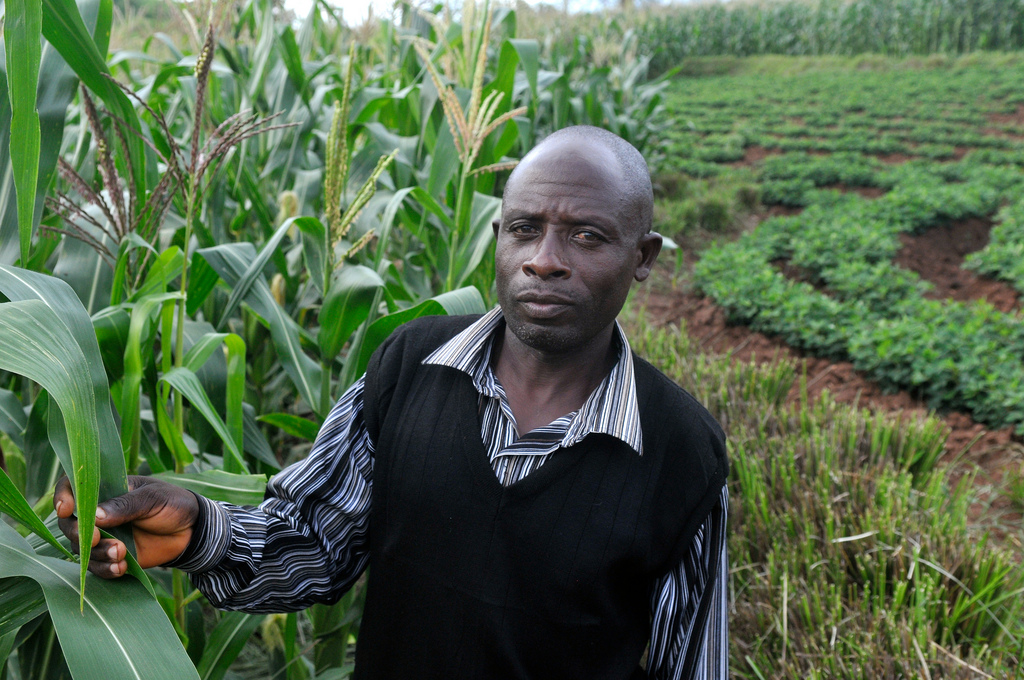
Creating Jobs to End War
•
An experiment in Liberia offers new insights on how to deal with ex-combatants after war.
-

Predatory War or Preventive War? Two New Theories about Why States Fight against Terrorism
•
Despite the high cost and perceived ineffectiveness of fighting terrorism, countries must do so in order to preserve their sovereignty, legitimacy, and territorial integrity.
-

Peace Without Treaties
•
Stronger international laws may be discouraging states from signing peace treaties.
-

Food for Thought: Does the Delivery of Food Aid Contribute to Conflict?
•
New research investigates the relationship between food aid and civil conflicts