
Urban Policy
-

Walkable Cities: Ending the Automobile Reign
•
In the US, the car is an unkind king to its citizens. Cars mobilize, but also blast out pollutants and promote a sedentary and lonelier lifestyle. Conversely, walkable cities—where reaching local amenities on foot is both feasible and pleasant—bring myriad health and social benefits. Suburban sprawl is not conducive to…
-
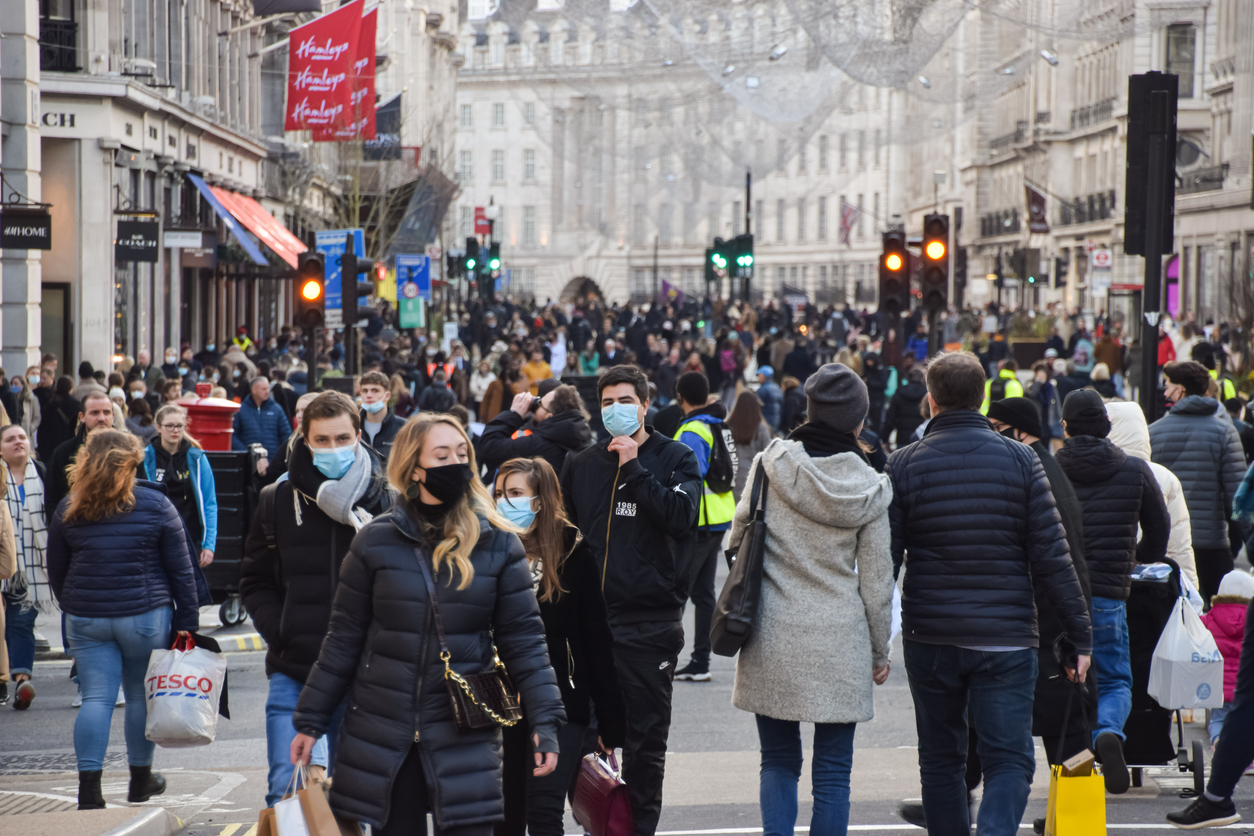
Why Urban COVID-19 Recovery Needs to Focus on Reforming Informal Settlements
•
Kadambari Shah is a Research Associate at the Energy Policy Institute at the University of Chicago. She holds a Masters in International Development and Policy from the Harris School of Public Policy. The COVID-19 pandemic has exposed numerous flaws in our world. At the city level, previously unknown or largely…
-

How Does Pollen Affect Criminal Activity?
•
A simple model of crime suggests that a criminal will act when the benefits of committing the crime outweigh the costs. The benefits might include anything from financial gain to emotional release. The costs are also wide-ranging — from the obvious legal punishments to the more subtle ways in which…
-
The Connection of Sanctuary Cities and Crime
•
In the 1980s, churches across the United States sought to provide shelter for refugees fleeing violence in El Salvador and Guatemala. The U.S. supported the regimes of these countries, and it did not want to provide political asylum to their refugees. Nevertheless, religious communities offered them protection in open defiance…
-

Chicago Food: More supermarkets do not mean healthy food for all
•
Chicago is well known for its food culture, from Harold’s Fried Chicken to deep dish pizza to ‘Chicago-style’ hot dogs. It is difficult to spend time in this Midwestern city without spotting a sausage stand and developing a fondness for the many uniquely Windy City fried delicacies. Yet for many…
-
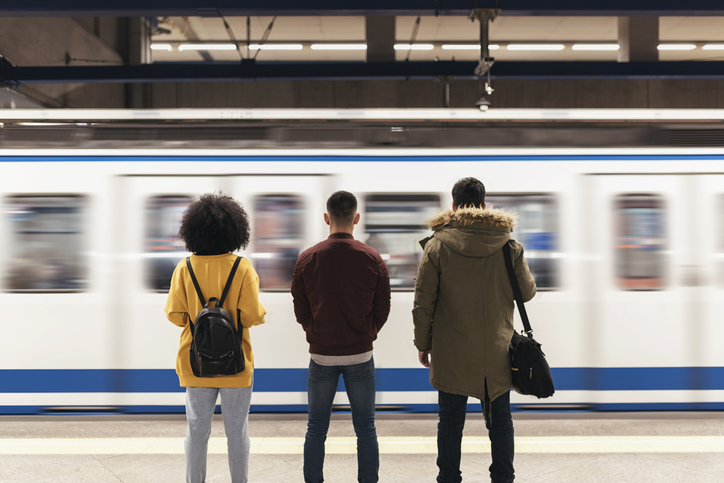
Can Variable Transit Fares Increase Equity?
•
Campaigns to introduce what activists call “fair fares” on mass transit systems have recently taken root in U.S. cities. The idea behind these initiatives is to introduce a pricing system that is less regressive in order to promote equity for low-income riders. Most major U.S. public transit systems, including New…
-

The Economic Impact of Place-Based Scholarships in Public School Districts
•
Since the introduction of the Kalamazoo Public School District’s Promise Scholarship Program in 2005, public school districts across the country have announced similar initiatives, offering college scholarships for students who have attended its public schools for a set period of time. Because they are place-based, Promise programs incentivize families with…
-

The Deteriorating Impact of the Project Safe Neighborhoods Program in Chicago
•
Project Safe Neighborhoods (PSN) was launched by the U.S. Department of Justice in 2002 to reduce gun violence across 94 federal districts. The City of Chicago adopted this program the same year, targeting neighborhoods inflicted with high rates of poverty, unemployment, gang membership, and high school dropouts. Initial evaluations determined…
-

Professor Martha C. Nussbaum: A Conversation on Emotion and Public Policy
•
This interview is the last part of the Chicago Policy Review’s 20th Anniversary Series. Please visit us here to learn more about the series from our Executive Editors. When discussing social responses to crime, you mention that punishment implies a recognition of failure of our current mechanisms to prevent crime. Additionally, you…
-

District of Change: Gentrification and Demographic Trends in Washington, D.C.
•
This piece, first published on July 23, 2014, is being republished as part of the Chicago Policy Review‘s 20th Anniversary Series. Please visit us here to learn more about the series from our Executive Editors. No discussion on urban revitalization is complete without addressing the issue of gentrification. This byproduct of redevelopment has proven to be…
-

All Growth Is Local: Housing Supply and the Economics of Mobility
•
Economists argue that more reasonable zoning regulations could boost social mobility, increase incomes, and expand economic growth.