
unemployment
-

The CARES Act Offered a Radical Experiment in Cash Transfers. Here’s What We Learned.
•
In March, as the world stared into a financial and epidemiological abyss, Congress acted more swiftly and dramatically to save the U.S. economy than during any crisis in American history. The CARES Act—signed into law by President Trump on March 27 after facing virtually no resistance in the House or…
-

The Jobs Numbers are Bad
•
The jobs report was released today, October 2nd, with the preliminary estimate of the unemployment rate at 7.9%. Following last month’s better-than-expected jobs report, Senate Republicans unveiled a slimmed-down coronavirus relief bill. The more comprehensive House bill remains in committee, where it is unlikely to progress. After a quick floor…
-
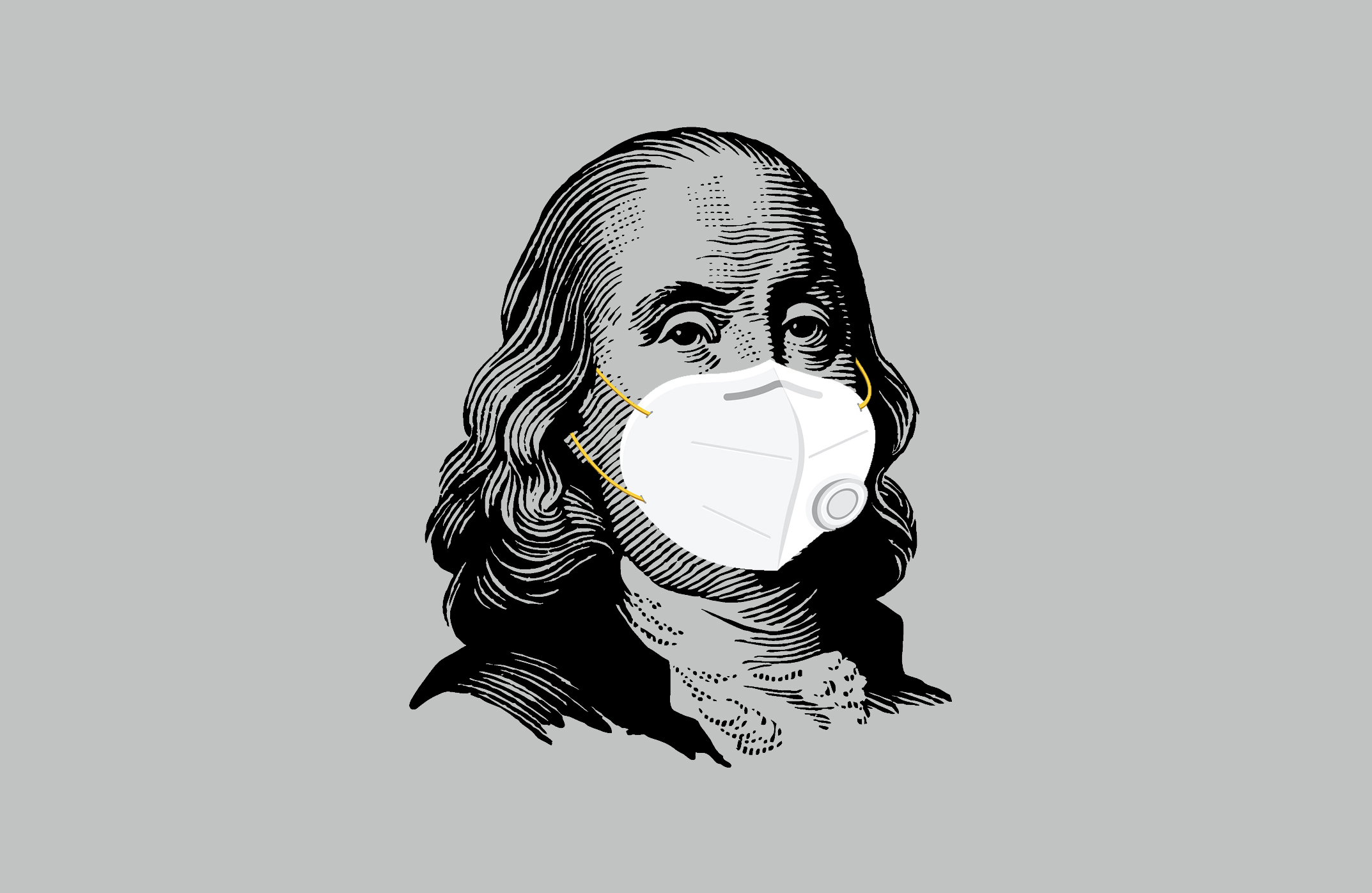
Record Unemployment is a Policy Choice
•
Europe and the United States are pursuing vastly different strategies in response to the economic crisis caused by Covid-19. Structural differences between the US and EU member states’ welfare systems have informed the divergence in government intervention. Throughout most of Europe, central governments are propping up companies by covering their…
-

Do Industrial Robots Contribute to Unemployment and Lower Wages?
•
Over the past few years, rapid advances in technology have posed greater threats to jobs, especially those vulnerable to automation. Recently, McKinsey published a report analyzing the technical feasibility of automation in several occupations and concluded that service, manufacturing, and construction industries are all at risk of automation. Yet, the…
-

How Far Would You Travel for Work? Disentangling the Effects of Geography, Job Search and Employment
•
After the financial crisis, the number of unemployed workers in the United States reached nearly 15 million in 2009 and the unemployment rate rose almost 10 percent in the same period. The slow recovery of the economy, and particularly of employment, has led to debate over the reasons for this…
-

Introducing Data to the Immigration Debate
•
Illegal immigration is a tumultuous topic for the Obama administration, and continues to be a source of heated debate in the 2016 presidential election. The U.S. Customs and Border Protection (CBP) Agency reports that illegal attempts to cross the Mexico–US border are increasing: In the first half of 2016, approximately…
-

Creating Jobs to End War
•
An experiment in Liberia offers new insights on how to deal with ex-combatants after war.
-

China’s Official Unemployment Rate: An Unusual Outlier or a Lie?
•
As a result of mismeasurement, the official unemployment rate series for China is implausible and is an outlier in the distribution of unemployment rates across countries ranked by their stages of development.
-

Getting a Job: How Certain Characteristics Do (or Don’t) Influence Receiving a Callback
•
How does unemployment duration, age, or holding a low-level “interim” job affect the likelihood of receiving a callback from a potential employer?
-

Economic downturns: Bad for your wallet, good for your health?
•
A recent study confirms the finding that mortality rates decrease during recessions and that severe recessions produce even larger reductions in mortality rates.
-

Social Skills: The New Employment Requirement?
•
Deming theorizes that, as manufacturing and other jobs have become more easily automated, the human ability to empathize and to be an effective “team player” has become more essential.