
Terrorism
-

Can Online Ads Help Prevent Violent Extremism?
•
Extremist groups have a new recruiting tool: online media. Organizations including hate groups, violent jihadist groups and far-right political groups have increasingly turned to the web—and to social media, in particular—for the purposes of identifying sympathizers, distributing propaganda and recruiting new members. In response, counter-extremist campaigns have fought back using…
-

Do Terrorists Deter Tourists?
•
German Christmas markets, French concert venues, British stadiums, and Tunisian beach fronts draw thousands of visitors from across the world. In the last five years, all of these sites have also been visited by tragedy when terrorists staged attacks designed to kill en masse in each destination. This is, sadly,…
-

The relationship between Autocracy, Democracy, and Terrorism
•
The manifestation of terrorism in a given country is typically a function of the country’s institutional mechanisms and internal stability. These, in turn, are directly influenced by the political institutions that govern the country. In a recent paper, economist Khusrav Gaibulloev and political scientists Todd Sandler and James Piazza consider…
-

Crafting Counter-Narratives in Islamic Terrorism: America’s Failures and Lessons
•
The discourse around the Islamic State of Iraq and Syria’s (ISIS) use of social media evolves as the group continues to organize, sponsor, and inspire global acts of terrorism. Though the territorial holdings of ISIS have retracted in recent months, their ability to instigate acts of violence and recruit supporters…
-

American Failures in Crafting Counter-Narratives to Islamic Terrorism
•
The discourse around ISIS’s use of social media has evolved as the group continues to organize, sponsor, and inspire global acts of terrorism. Though ISIS’s territorial holdings have retracted in recent months, their ability to instigate acts of violence and to recruit supporters on an international level has been a…
-

Myth Busting: Robert Pape on ISIS, Suicide Terrorism, and US Foreign Policy
•
This piece, first published on May 5, 2015, is being republished as part of the Chicago Policy Review’s 20th Anniversary Series. Please visit us here to learn more about the series from our Executive Editors. Robert Pape is Professor of Political Science at the University of Chicago specializing in international security affairs. He is the Director…
-

The West Needs to Avoid Falling into ISIS’s Trap: A Conversation with Robert Pape
•
Since ISIS attacks in Jakarta, Ankara, Beirut, and Paris, Robert Pape has noted a significant shift in strategy. What is this new strategy, and what should be the Western response, particularly the US response?
-
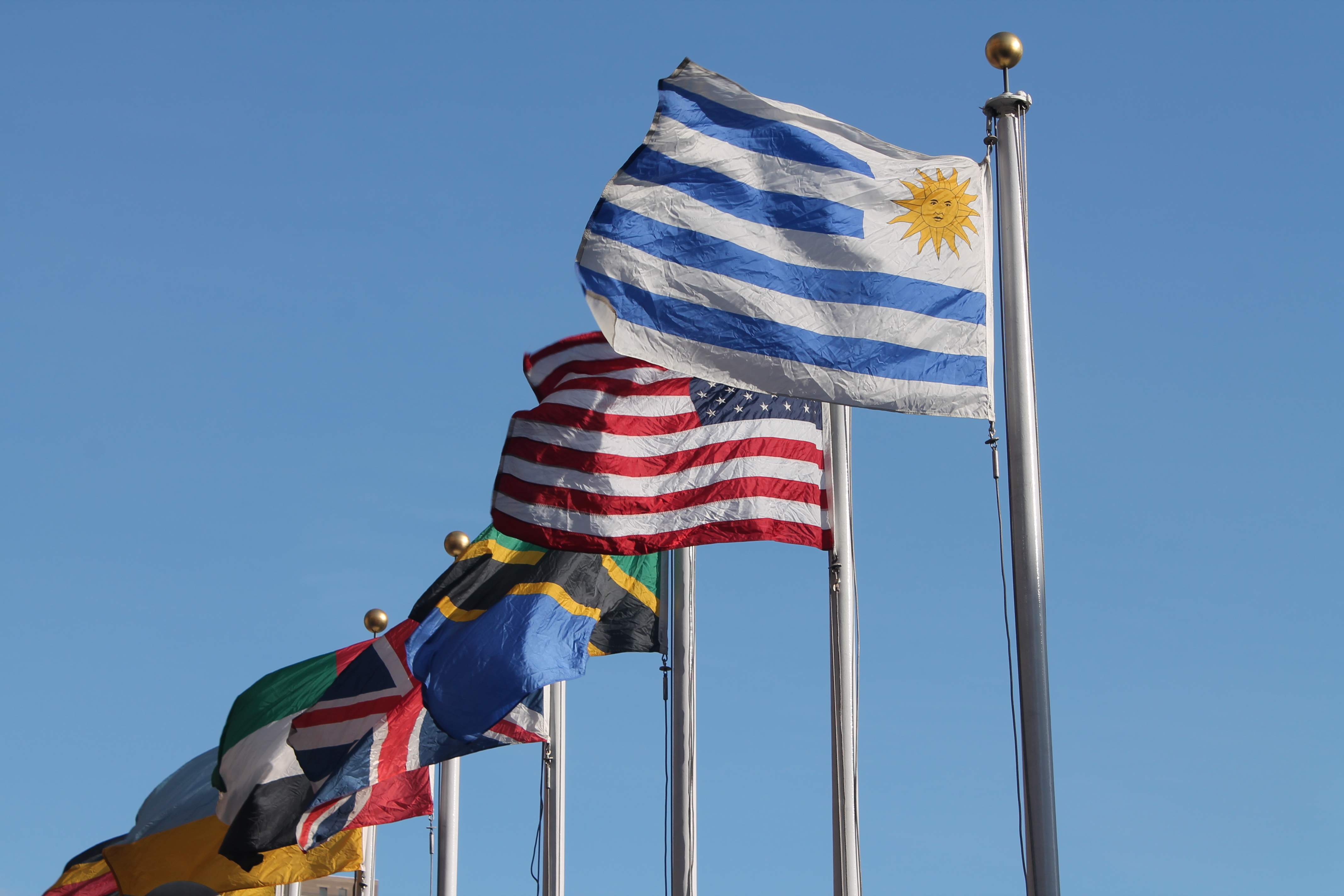
Do Alliances Actually Make States More Secure?
•
Evidence suggests that policymakers should abandon alliance formation as a means of preventing war.
-

Predatory War or Preventive War? Two New Theories about Why States Fight against Terrorism
•
Despite the high cost and perceived ineffectiveness of fighting terrorism, countries must do so in order to preserve their sovereignty, legitimacy, and territorial integrity.
-

Terrorism Blown out of Proportion? Daniel Benjamin assesses the threat
•
Daniel Benjamin, former advisor to both President Bill Clinton and Secretary Hillary Clinton on counterterrorism discusses progress in counterterrorism efforts and the changing nature of terrorist threats, from major networks like al Qaeda to “self-starter” terrorists today
-

Back to the Future: A Duke historian’s take on modern terrorism
•
Duke University professor Dr. Martin Miller discusses important historical trends in terrorism, root causes, and how we should think about breaking the cycle.