
Taxes
-
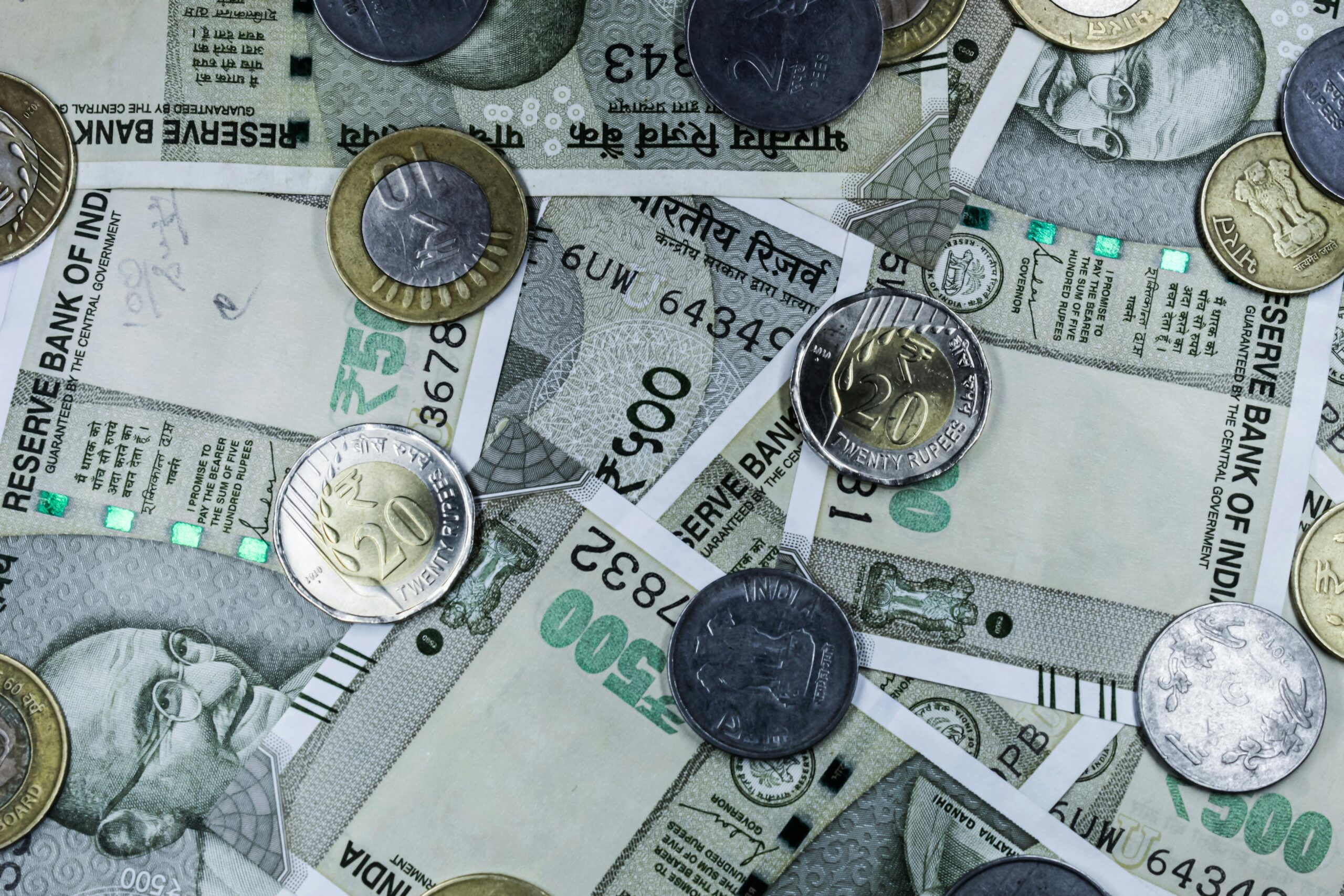
Reform, Resilience and Growth: Evolution of Indian Fiscal Policy from 1991 – 2024
•
The evolution of the fiscal policy of India from 1991 to 2024 is a story of transformation, resilience and adaptation, reflecting the interplay of domestic reforms, political imperatives and global challenges. Throughout these decades, India shifted from managing a severe balance of payments crisis to becoming one of the world’s…
-

Death to “Buy, Borrow, Die”
•
Every year millions of Americans begrudgingly file their taxes. Each household must spend countless hours deciding which deductions to take, bemoaning the complexity, and eventually sending off the precious dollars they must pay to fund our roads, bridges, firefighters, and military. At the end of the day, taxes serve as…
-

A Responsibility to Democracy, More than Just Voting
•
I spent most of my day one Friday in August listening to speeches on the floor of the United States House of Representatives, while dutifully manning the phones for constituent calls. This is not an activity I’d recommend. While I agreed with about half of the speeches on the floor…
-

Evading the Taxman: The Effects of Perceived Influence
•
Death may be unavoidable, but taxes? Not so much. An estimated $430 billion per year evades capture from tax collecting regimes worldwide. Developing countries are disproportionately harmed by tax evasion, with individual country losses equal to about half of their public health budgets. Generally speaking, tax evasion is any deliberate behavior to avoid…
-

How to Tax the Rich
•
President-elect Joe Biden is forming a transition team to assume office in January, but the outcome of some Senate elections are still outstanding. While the exact congressional makeup is unclear, more is known about the Biden-Harris transition team, which now includes noted Harris faculty and tax economist, Professor Damon Jones.…
-

When Formality is too Costly: An Experiment from Benin
•
Many economies in the developing world exhibit a dual structure: the formal sector and the informal sector. While large firms operate in the formal sphere, a majority of small- to medium-size firms operate informally. Estimates of the size of the informal economy vary, but in many countries, especially sub-Saharan Africa,…
-

You’ve Been Accepted to College, but How Do You Pay for It? A Proposal to Streamline Federal Financial Aid
•
A recent research report entitled “Tax Benefits For College Attendance” conducted by Susan Dynarski and Judith Scott-Clayton investigates how the federal government could streamline the existing federal financial aid system and increase uptake for college tax benefits.
-

You Earned It: How Simple Reminders Lead to Increases in Tax Filing and EITC Receipt
•
Participants who received tax filing reminders in both 2014 and 2015 had higher filing rates than individuals who received no reminders, as well as those who only received one in 2014.
-

Myths and Facts of Migration
•
Given the importance of this issue in academia, public discussion, and politics, we present Five Myths and Facts about Migration.
-
Who Feels the Effects of Corporate Tax Change?
•
A new study uses a spatial model of local economies to calculate the incidence of corporate income tax on firms, workers, and landowners.
-

The Unseen Taxes Created by the Affordable Care Act
•
A new study explains the effects on the labor supply created by the Affordable Care Act. The ACA creates a penalty on employers that incentivizes a reduction in full-time hiring, as well as creating an implicit tax on full-time employees that encourages them to work less.