
SNAP
-

Incompetence, Fraud and Conflict of Interest: The Problems of SNAP Benefits
•
Suppose it is payday and you are patiently waiting for your paycheck to hit your bank account. You do not have a particularly large cushion of savings, so the upcoming deposit will be covering groceries and other necessities, little else. Now imagine your shock: the bank has mistakenly allocated that…
-

Trump’s Intel Stake Isn’t Socialism; It’s Common Sense
•
President Trump’s decision to seek government equity and revenue sharing in major chip companies, including a 9.9 percent non-voting stake in Intel and proposed deals with Nvidia and AMD, has sparked rare, intense bipartisan backlash; a sign of deep controversy surrounding direct government involvement in the tech sector. Sen. Rand…
-
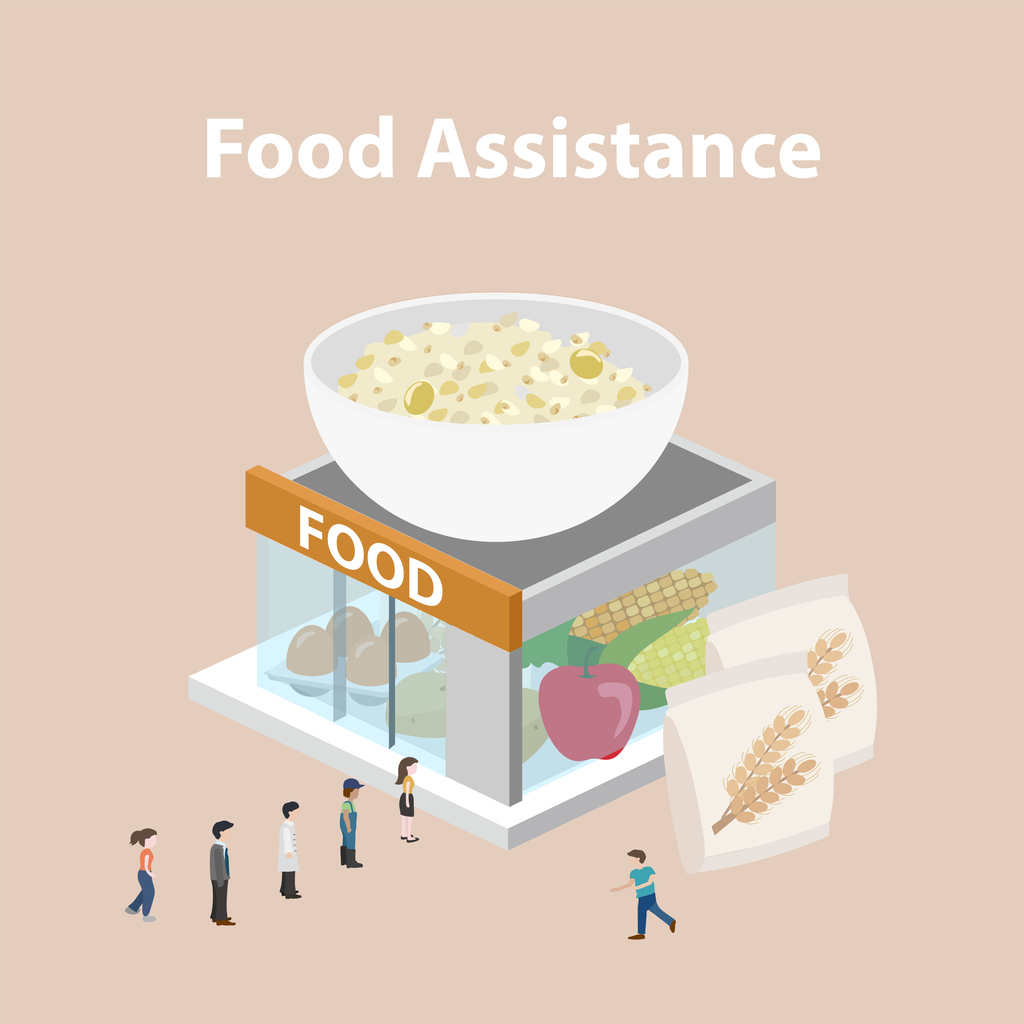
Do SNAP benefits fulfill their mission?
•
Social safety net programs were designed to help poorer members of society meet their basic needs. The model in the United States was expanded by President Lyndon B. Johnson’s war on poverty, which focused on prevention. The president’s administration hoped to expand the federal government’s role in education and healthcare…
-

SNAP Purchasing Power and Child Health Care Utilization: Estimating a Causal Relationship
•
The Supplemental Nutrition Assistant Program (SNAP), formerly known as the Food Stamp Program, is the largest and most impactful anti-hunger program in the United States. The program targets low-income households, as eligibility is based only on household income. In 2018, it provided assistance to an average of 40 million people…
-

Food for Thought: SNAP Distribution and Student Achievement
•
Decades of innovative education reform have focused on how to improve schools, yet academic success is about more than just classrooms and teachers. One factor that may affect student achievement is food stability; researchers and policymakers are asking how a student’s access to nutritional food impacts that student’s success in…
-

Up in Smoke: How Cigarette Taxes Affect Public Assistance Enrollment
•
Policymakers use tax penalties and incentives as a mechanism to modify the public’s behavior. Cigarette taxes are one of the most obvious examples of such a policy. As a matter of public health, society would be better off if fewer people smoked cigarettes—raising the cost of cigarettes with a tax…
-
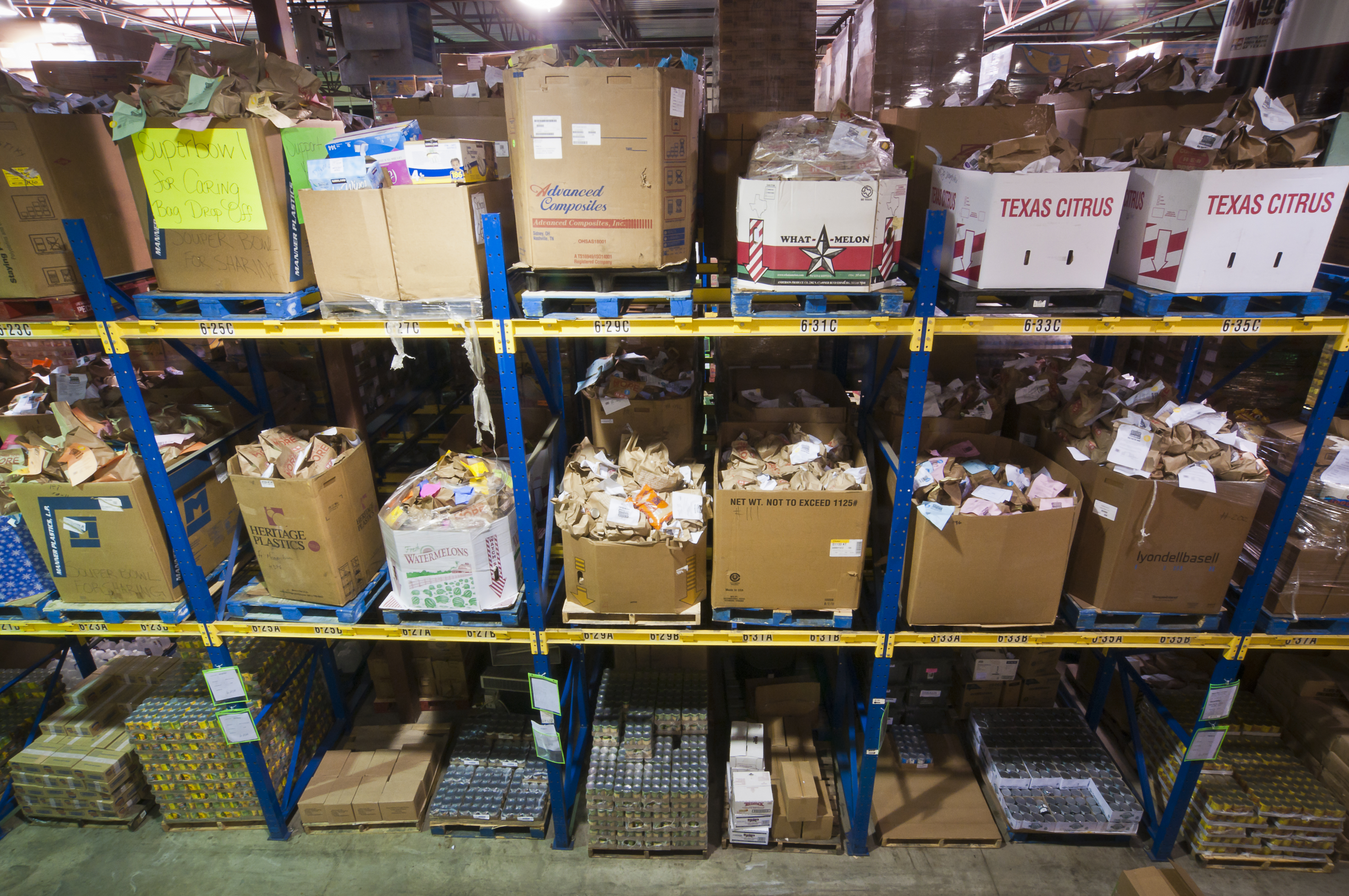
Policy Radio | Feeding America’s Sophie Milam on Food Insecurity in America
•
Sophie Milam with Feeding America discusses the current state of food insecurity in the United States and the impact of new farm bill legislation on food assistance programs.
-
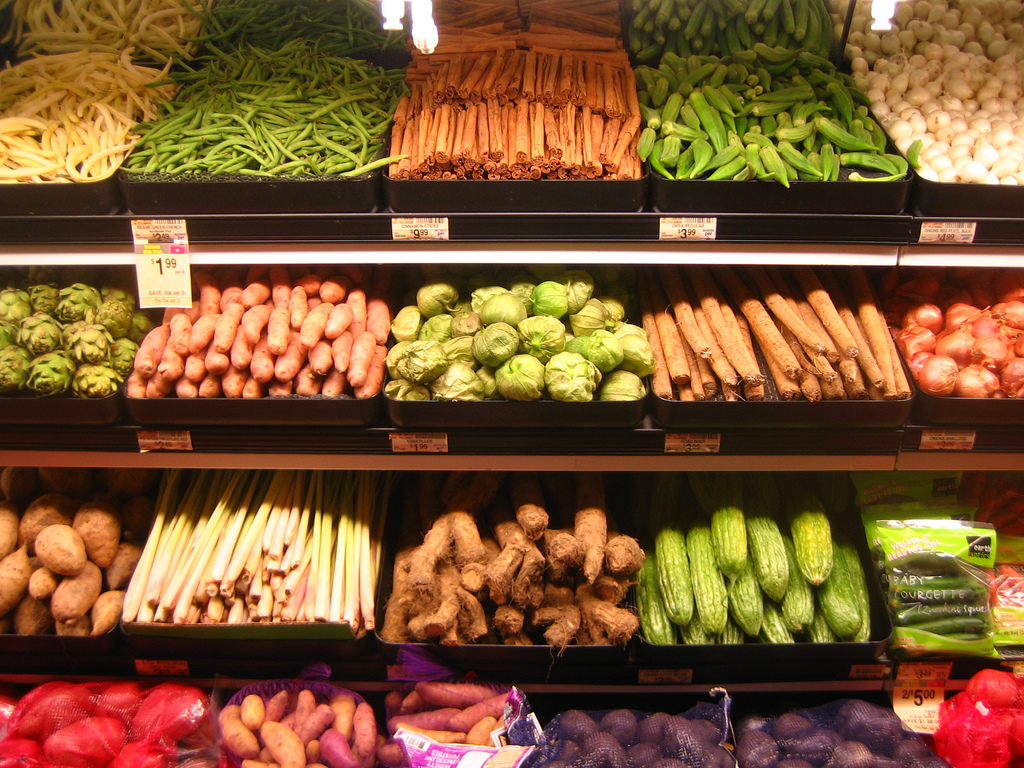
Is the Structure of SNAP Linked to Cyclical Illness?
•
Seligman et al look at whether the once-a-month nature of SNAP benefits can be linked to cyclical health problems.
-

Reducing Poverty: How Medicaid Does More Than Just Improve Access to Healthcare in Cities
•
Recent research provides evidence supporting the poverty-reducing effects of Medicaid in urban areas.
-

Growth of Extreme Poverty in the US: Is Welfare Reform Largely to Blame?
•
New research estimates the growth of families living in extreme poverty from 1996 to 2011 is 159 percent, and the authors argue that welfare reform is largely to blame.
-

How Sweets, SNAP, and Stress Affect Childhood Obesity
•
A study examines prenatal risk factors among low-income Hispanic mothers that may lead to childhood obesity.