
Poverty
-

Separate and Suffering: The Damaging Effects of Residential Segregation on Metropolitan Economies
•
This piece, first published on January 29, 2014, is being republished as part of the Chicago Policy Review‘s 20th Anniversary Series. Please visit us here to learn more about the series from our Executive Editors. President Lyndon B. Johnson signed the Fair Housing Act, which prohibited housing discrimination and put an end to one of the last…
-

Enduring Damage: The Effects of Childhood Poverty on Adult Health
•
This piece, first published on November 27, 2013, is being republished as part of the Chicago Policy Review‘s 20th Anniversary Series. Please visit us here to learn more about the series from our Executive Editors. Many of the costs of poverty are self-evident. Lack of reliable access to basic needs such as food, housing, and medicine…
-

Breaking the Cycle of Urban Poverty with Deanna Hallagan and LaToya Winters
•
In a candid conversation at Marillac House in East Garfield Park, Deanna Hallagan and LaToya Winters advocate for the importance of outliers in breaking the cycle of poverty on Chicago’s West Side.
-
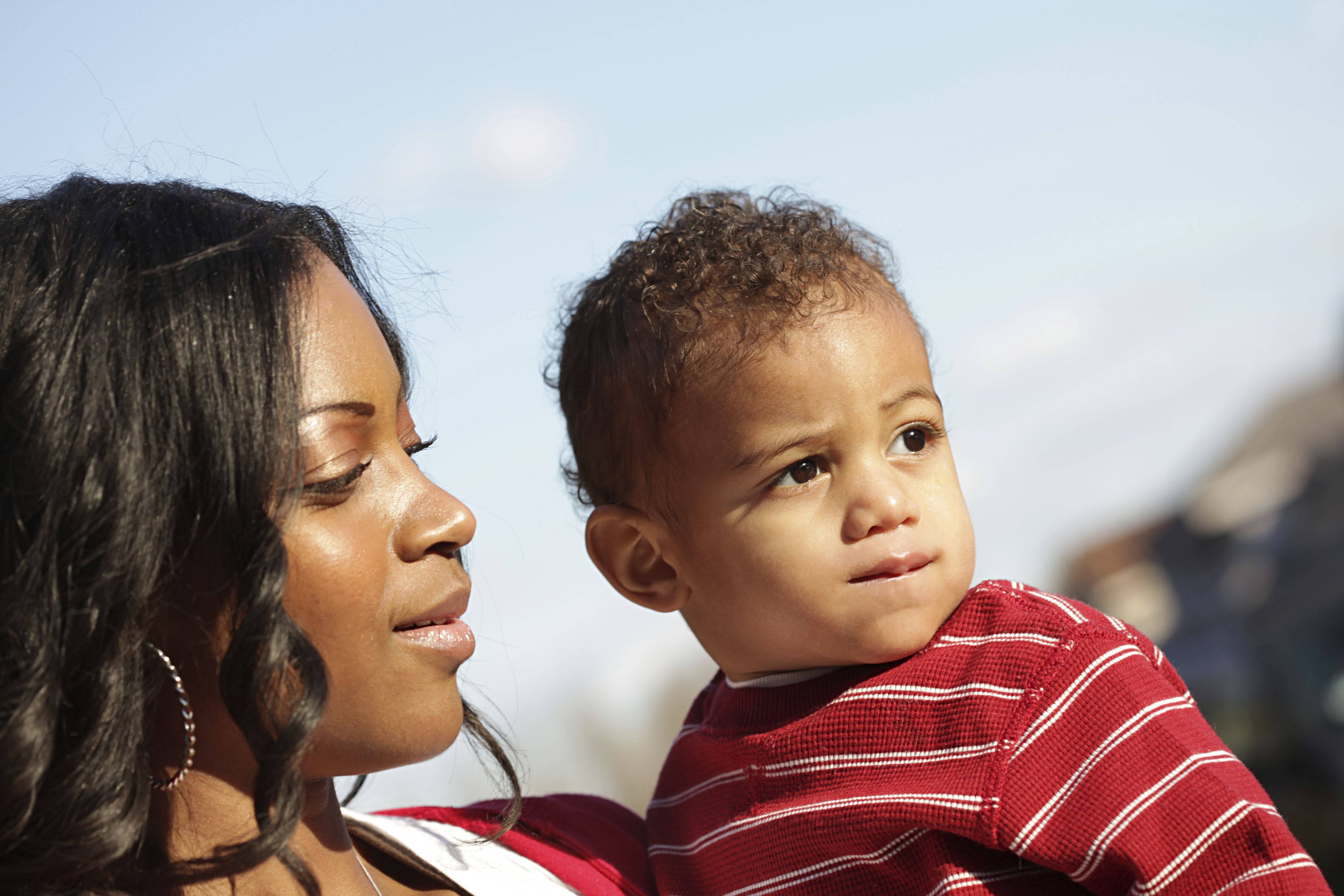
The Inequality of Poverty: How Places, Parents, and Poverty Affect the Gender Gap
•
The environment in which children grow up affects the economic outcomes of men and women differently.
-

The Link between Perceived Income Inequality Conditions and Higher Caloric Intake
•
Poverty and income inequality conditions translate into higher obesity rates by inducing anxiety and uncertainty feelings for individuals, who increase their caloric intake as a response.
-

Moving to Opportunity: How Housing Policy Can Disrupt the Persistence of Poverty
•
What matters for future economic success is the amount of childhood exposure to better neighborhoods.
-

Stop, Look, and Listen: A Behavioral Approach to Reducing Teen Violence
•
A recent study finds that cost-effective behavioral intervention programs reduce crime rates by teaching teens to slow down and reflect before acting.
-

The Politics of Economic Growth and Stability
•
Legislative oversight is more significant to economic and political stability than electoral accountability.
-

Changing Parental Behavior One Nudge at a Time
•
University of Chicago Developmental Psychologist Ariel Kalil discusses the use of behavioral economics in parenting interventions, research on preschool, and challenges in the field of early childhood education.
-

Editor’s Note: Looking Back on Fifty Years of Head Start
•
The Head Start Program turns fifty this year, and it has earned its fair share of both supporters and detractors. The Child and Family team looks at some of the perspectives constituting the conversation.
-

The Economic Impact of Frugality: Evidence from Tobacco Farmers in Malawi
•
Tobacco farmers in Malawi were offered a direct-deposit savings account, which yielded significant positive impacts on their financial behavior and increases in their agricultural outputs. These results suggest a potential driver for economic growth and poverty reduction in the region.