
policing
-
No More No-Knock: Simple Reforms That Can Save Lives
•
Imagine you’re comfortably dozing in bed at your partner’s home in the early hours of the morning. Suddenly, around 6 am, you jerk awake as the sound of loud voices permeates the room and you open your eyes in the semi-darkness to see two police officers with guns drawn and…
-
Soldiers to Guardians: Transition to a Community Policing Model
•
The murder of George Floyd, committed by a former Minneapolis Police Department (MPD) officer in an extremely gruesome and heinous fashion, caught the world’s attention and shed light on other unjust slayings. However, police killings are not new. Data collected by Statista suggested that over 1,000 known individuals were murdered…
-
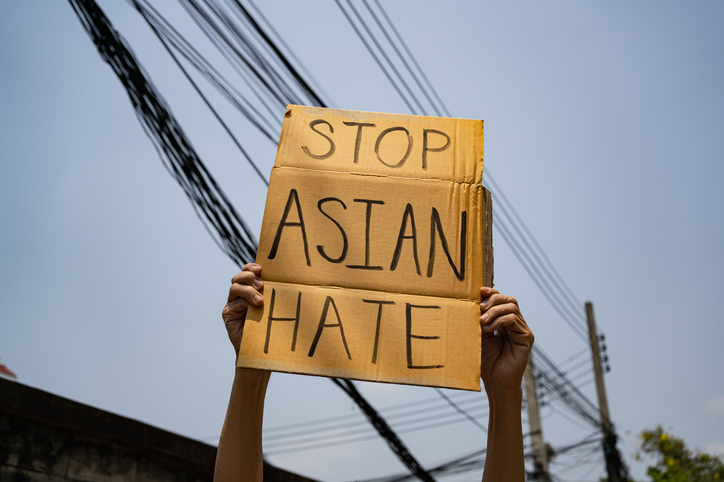
Anti-Asian Violence Is Not Random: Why Increased Policing Will Fail Us
•
With the Atlanta spa shootings earlier this year, and the pandemic exacerbating incendiary rhetoric about Asian Americans, violence has become a regular conversation topic in my circles. My Asian-American friends share stories about street harassment, while my mother, in her native Chinese, always urges me to “stay careful” and “pay…
-
Re-Examining Body-Worn Cameras
•
Sparked by the police killing of unarmed teenager Mike Brown, the 2014 Ferguson protests ignited a nation-wide conversation about police reform in the United States. To increase safety and accountability for officers and civilians, many lawmakers responded by requiring officers to wear body-worn cameras. A 2016 survey of police departments…
-

The Unintended Public Health Consequences of Immigration Policing
•
From the Trump administration’s promise to build a wall along the Mexican border to the separation of children from migrants attempting to enter the U.S., issues related to immigration policy have dominated American politics. Recent proposals by the Trump administration have attempted to restrict legal immigration by requiring green card…
-
Mental Health Crises Significant Factor in Police Shootings
•
As police officers’ use of lethal force has come to dominate the news cycle, considerable evidence has established a connection between police violence and the race of its victims. The dangers of a poorly trained police force extend beyond those posed to specific racial minorities. One group at particular risk…
-
How body cameras may result in a more proactive and community-engaged police force
•
On October 5, 2018, Chicago Police Officer Jason Van Dyke was convicted of second degree murder and 16 counts of aggravated battery for the 2014 shooting of 17-year-old Laquan McDonald. While activists and Chicago community leaders have welcomed this conviction as an important step towards increasing police accountability, others have…
-
A Snapshot of Attitudes Toward Body-Worn Cameras
•
Public discontent with police behavior has crested in the wake of recent high-profile civilian deaths due to the excessive use of force. To address this issue, some have advocated the adoption of body-worn cameras (BWC) that officers wear as part of their uniforms. These cameras capture audio and video of…
-
The Mixed Effects of Tasers in Civilian-Police Encounters
•
In the early 2000s, police departments across the U.S. began deploying Tasers—devices that deliver an electric current to incapacitate targets—as an alternative use-of-force against civilians. The Taser was considered a non-lethal alternative to firearms and promised increased safety for officers in situations that normally require more physical contact. While outcomes…
-
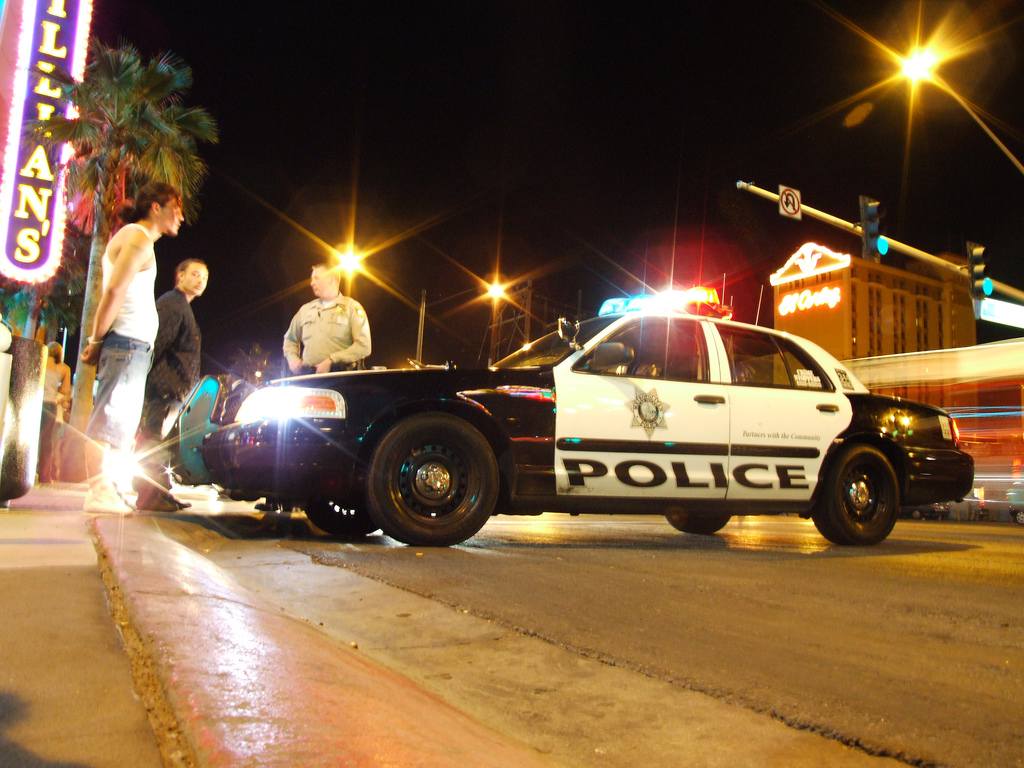
Stop, Children, What’s That Sound? The Unintended Consequences of Police Contact on Juveniles
•
Study finds that “stop, question, and frisk” interactions between juveniles and police lead to an enhanced likelihood of future youth delinquency.