
Nutrition
-

Chicago Food: More supermarkets do not mean healthy food for all
•
Chicago is well known for its food culture, from Harold’s Fried Chicken to deep dish pizza to ‘Chicago-style’ hot dogs. It is difficult to spend time in this Midwestern city without spotting a sausage stand and developing a fondness for the many uniquely Windy City fried delicacies. Yet for many…
-

Benchmarking Development Projects to Cash
•
In recent years, there has been increasing evidence in support of cash transfers, both conditional and unconditional. In fact, there are organizations whose sole purpose is to give cash directly to the poor. While the evidence suggests that cash transfers can improve livelihoods, there is relatively little evidence on how…
-

Food for Thought: SNAP Distribution and Student Achievement
•
Decades of innovative education reform have focused on how to improve schools, yet academic success is about more than just classrooms and teachers. One factor that may affect student achievement is food stability; researchers and policymakers are asking how a student’s access to nutritional food impacts that student’s success in…
-

Nutritional Effects of Food Deserts: A Story of Supply or Demand
•
Despite possessing over one-third of the world’s wealth, America suffers from higher poverty rates and worse health outcomes than other wealthy countries. Poor health outcomes are not felt equally across the country but, rather, are disproportionately concentrated in the poorest neighborhoods. One potential reason for this inequality is that low-income…
-

Up in Smoke: How Cigarette Taxes Affect Public Assistance Enrollment
•
Policymakers use tax penalties and incentives as a mechanism to modify the public’s behavior. Cigarette taxes are one of the most obvious examples of such a policy. As a matter of public health, society would be better off if fewer people smoked cigarettes—raising the cost of cigarettes with a tax…
-
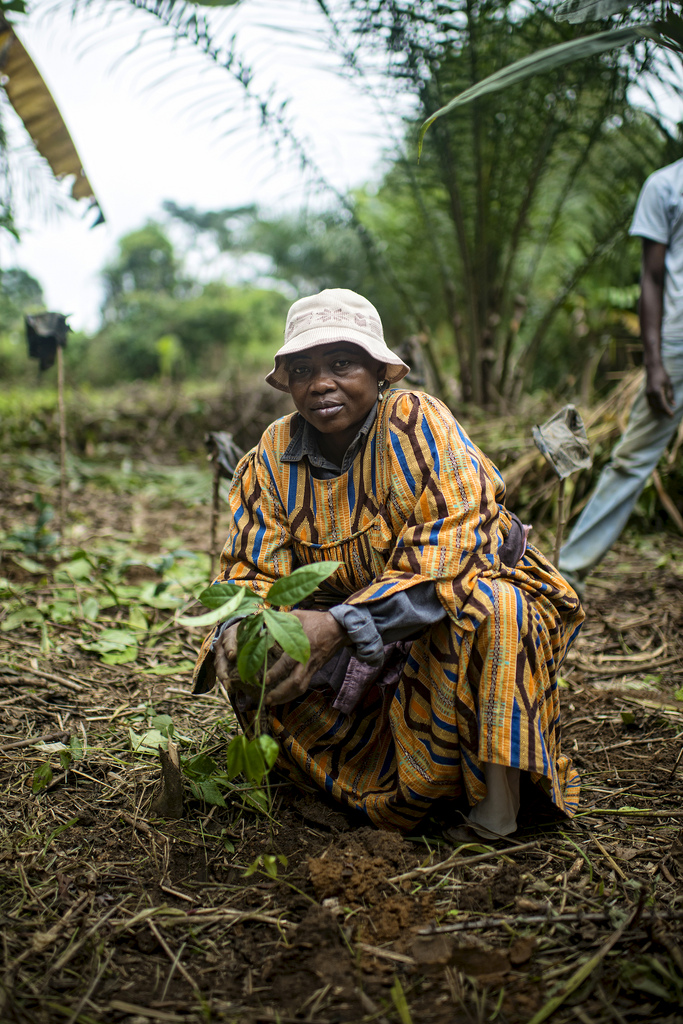
Are Improved Nutritional Outcomes and a Robust Agricultural Sector Mutually Exclusive? Case Study Findings from the Developing World
•
Recent East African and South Asian stakeholder research has helped shed light on the thorny relationship between food security and nutritional policymaking in the developing world. Though findings point to a need for action on several fronts, addressing data disconnects in each of the six case study countries remains vital.
-

Show Me the Calories? Calorie Counts on Menu Boards May Not Impact Consumer Choice in Restaurants
•
A new study finds that posting calorie counts on menu boards in fast food restaurants increases awareness of information but does not impact long-term purchasing decisions.
-

If You Build It, They Won’t Come: Why Eliminating Food Deserts Won’t Close the Nutrition Gap
•
A recent study finds that nutritional differences across socioeconomic groups are not well explained by access to healthy foods.
-

GMOs: Where the Science Stands on Nutrition and Agricultural Advancement
•
A survey of literature shows that, while GMOs are overwhelmingly beneficial to farmers, consumers, and the environment, policy precautions should be taken to prevent poor land management practices.
-

Editor’s Note: A Review of the Science and Practices behind Genetically Modified Foods
•
Genetically modified foods have become ubiquitous, but many people distrust the corporations behind them. This makes it difficult to know who to believe in the debate over the future of GM products. In this series, we review science and industry practices to address the most common sources of confusion.
-

Too Much or Not Enough? Rethinking School Breakfast Programs
•
Research suggests that school breakfast programs may be falling short of the goal to provide universal access to a nutritional morning meal and may be contributing to unhealthy amounts of food intake.