
National Security
-

Sitting on a Ticking Bomb: Introducing Congressional Oversight for Zero-Day Vulnerabilities
•
Each new military paradigm and technological development promises new legal and policy questions. Every innovation in weaponry brings new range, cost, and training while impacting civilian life, posing new questions to the leaders of the day. The Constitution attempts to timelessly outline the parameters around which the government make war,…
-

An interview with the former head of NATO: defense policy for students
•
The following is an edited transcript of part of an interview conducted by Thomas Krasnican and Nick Paraiso, first-year students at the Harris School of Public Policy for their UC3P original podcast series, Thank You For Your Service. The full interview can be found here or at their iTunes page.…
-

Guantánamo Diary: How GITMO Institutionalized State Secrecy
•
Telling stories is rarely an easy task, but telling a story from inside a covert military detention facility is another matter—one that Mohamedou Ould Slahi, a 45-year-old Guantánamo Bay detainee, has managed to tell evocatively in Guantánamo Diary. After a lengthy legal battle to declassify Slahi’s memoir and approximately 2,000 black bar…
-

Myth Busting: Robert Pape on ISIS, Suicide Terrorism, and US Foreign Policy
•
This piece, first published on May 5, 2015, is being republished as part of the Chicago Policy Review’s 20th Anniversary Series. Please visit us here to learn more about the series from our Executive Editors. Robert Pape is Professor of Political Science at the University of Chicago specializing in international security affairs. He is the Director…
-
Myth Busting: Robert Pape on ISIS, suicide terrorism, and U.S. Foreign Policy
•
Robert Pape, Director of the Chicago Project on Security and Terrorism and University of Chicago political scientist, dispels myths about ISIS and suicide terrorism and discusses the potential power of grassroots efforts to influence foreign policy.
-

Special Series on Terrorism: Debunking Myths and Getting Oriented
•
Chicago Policy Review kicks off its exclusive interview series on the Islamic State, suicide terrorism, and U.S. foreign policy with University of Chicago political scientist Robert Pape, Duke University historian Dr. Martin Miller, and Senior Fellow at Brookings Institution and former advisor to Secretary Clinton on counterterrorism, Daniel Benjamin.
-

False Flag No More: Facing Down Militant Terrorism
•
Advances in biometric technology, once operationalized and scaled, will vastly improve identification and elimination of militants in domestic and international settings.
-

The Billion Dollar Question: Are Counter-Terrorism Efforts Effective?
•
A review of counter-terrorism evaluation research raises critical questions about lack of evidence for costly programs and strategies.
-
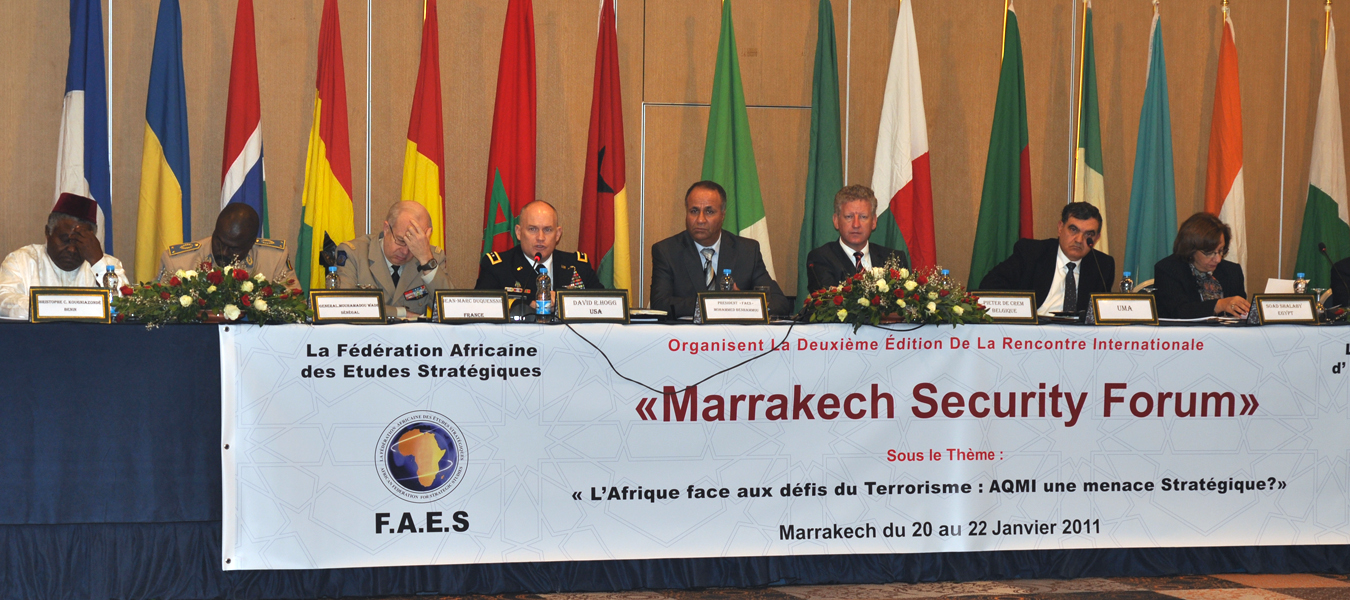
Collaboration and Competition in Counterterrorism
•
Nations that claim to cooperate on counterterrorism may in fact be competing for safety.
-

Terrorism Anxiety: Evaluating the Risk of Terrorism
•
What’s the right level of defense against terrorism and how do our current efforts measure up on a cost-benefit analysis?
-

Alone And Unafraid?
•
Reevaluating United States policy toward international maritime law to protect long-term national interests