
Journal of Urban Economics
-
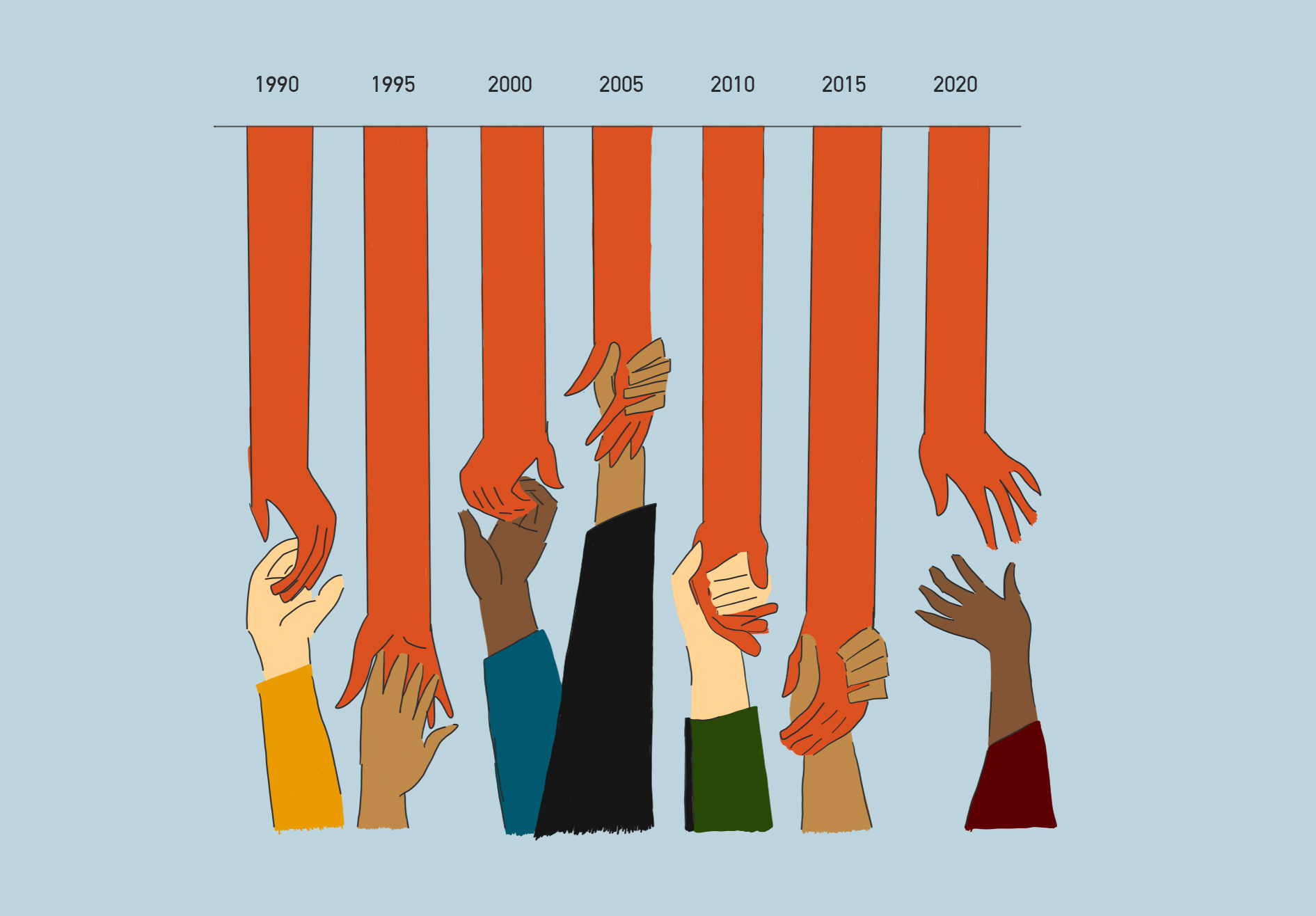
The Economics of Begging
•
In cities around the globe, people can be found street-side asking for money. While there are some who chose to perform or sell small goods, others ask for cash without offering anything of value in return. These individuals, known as panhandlers, face harsh public scrutiny for begging, rather than working,…
-

Does Homeownership Make Workers More Resilient After Economic Shocks?
•
During the Great Recession, workers around the globe unexpectedly lost their jobs due to large-scale layoffs and firm bankruptcies. The factors that led to their loss of employment were often unrelated to the individual. However, what happened afterward — whether they found new employment, what wage they accepted if they…
-

Keeping Students Safe: Positive Results from Chicago’s Safe Passage Program
•
In the effort to reduce violence in Chicago, one important focus area is keeping students safe on their way to school. In 2009, the city launched the Safe Passage program as a novel method of addressing this issue. Safe Passage hires civilian guards and places them around schools during the…
-

Crime Prevention for Economic Development: Lessons from Chicago and Los Angeles
•
Crime imposes an immense burden on cities, taking its toll in higher policing costs, lower property values, fewer job opportunities, and reduced overall quality of life. High and rising rates of crime are often cited as reasons for businesses not to locate to areas of concentrated poverty. Meanwhile, municipal leaders…
-

Uber y el Transporte Público: una Relación Complicada
•
En el año 2018, el uso de la aplicación Uber alcanzó a más de 600 ciudades en 65 países alrededor del mundo. Utilizando un modelo de negocios agresivo, y a pesar de múltiples acusaciones e investigaciones relacionadas con la discriminación de género y el acoso sexual, la compañía se ha…
-

Should Cities Compete? The Case Against Federal Contracts
•
With stagnating wages and declining entrepreneurship across the United States, state and local governments are under increasing pressure to deliver economic good news. Cities are in constant competition, dedicating considerable time and resources to business incentives and vying for federal grants and contracts. Historically, the full extent to which these…
-

The Hidden Relationship Between Housing, Migration, and Inequality
•
In the November issue of the Journal of Urban Economics, Peter Ganong of Chicago’s Harris School of Public Policy and Daniel Shoag of the Harvard Kennedy School investigate a troubling question: “Why has regional income convergence in the U.S. declined?” In economics, convergence—or the “catch-up effect”—is the hypothesis that per…
-

The Economic Impact of Place-Based Scholarships in Public School Districts
•
Since the introduction of the Kalamazoo Public School District’s Promise Scholarship Program in 2005, public school districts across the country have announced similar initiatives, offering college scholarships for students who have attended its public schools for a set period of time. Because they are place-based, Promise programs incentivize families with…
-

Closing the private school enrollment gap: Are education vouchers enough?
•
Variations in parental education and income explain most of the ethnic, racial, and immigrant differences in private school attendance.
-

Worlds Collide: Using Fluid Dynamics to Solve Urban Traffic Woes
•
Researchers point to a new way to analyze traffic congestion in growing cities.
-

School’s Out for Summer: Disadvantages of the Year-Round School Calendar on Maternal Employment
•
A recent study finds that year-round elementary school calendars negatively impact maternal employment because it is more difficult for parents to secure child care.