
International Affairs
-

How Do Electoral Gender Quotas Impact Government Spending?
•
Over the past few decades, an increasing number of countries have established gender quotas for elected positions. Typically, these quotas are enacted to address underrepresentation of women in political offices. According to data collected by the United Nations (UN), women represented just “22.8 percent of all national parliamentarians” in June…
-

Crafting Counter-Narratives in Islamic Terrorism: America’s Failures and Lessons
•
The discourse around the Islamic State of Iraq and Syria’s (ISIS) use of social media evolves as the group continues to organize, sponsor, and inspire global acts of terrorism. Though the territorial holdings of ISIS have retracted in recent months, their ability to instigate acts of violence and recruit supporters…
-

Competition or Cooperation: The Complicated Diplomatic Relationship Between China and the United States
•
Sino-American relations have long been fraught with complexity. Although fundamental economic, security, and foreign policy differences persist, there is a deep financial relationship between the world’s two largest economies. Currently, the United States and China share a common interest in the Asia-Pacific region where a unique dynamic—part cooperative and part…
-

Food Aid in Syria: Good Intentions, Unintended Outcomes
•
Emergency food aid is often depicted as the international community’s humane response to a crisis, aimed at alleviating suffering in areas of conflict or following natural disasters. However, a recent paper argues that despite the impartial intentions of UN agencies and other humanitarian organizations, the distribution of food aid during…
-

How Republics Fell and Monarchies Survived the Arab Spring
•
What made monarchies more resilient during the Arab Spring as compared to republics? To understand this conundrum, Robert Snyder offers an ideological-institutional framework in The Arab Uprising and the Persistence of Monarchy.
-

The West Needs to Avoid Falling into ISIS’s Trap: A Conversation with Robert Pape
•
Since ISIS attacks in Jakarta, Ankara, Beirut, and Paris, Robert Pape has noted a significant shift in strategy. What is this new strategy, and what should be the Western response, particularly the US response?
-
The Economic Role of Refugees: Evidence from Sub-Saharan Africa
•
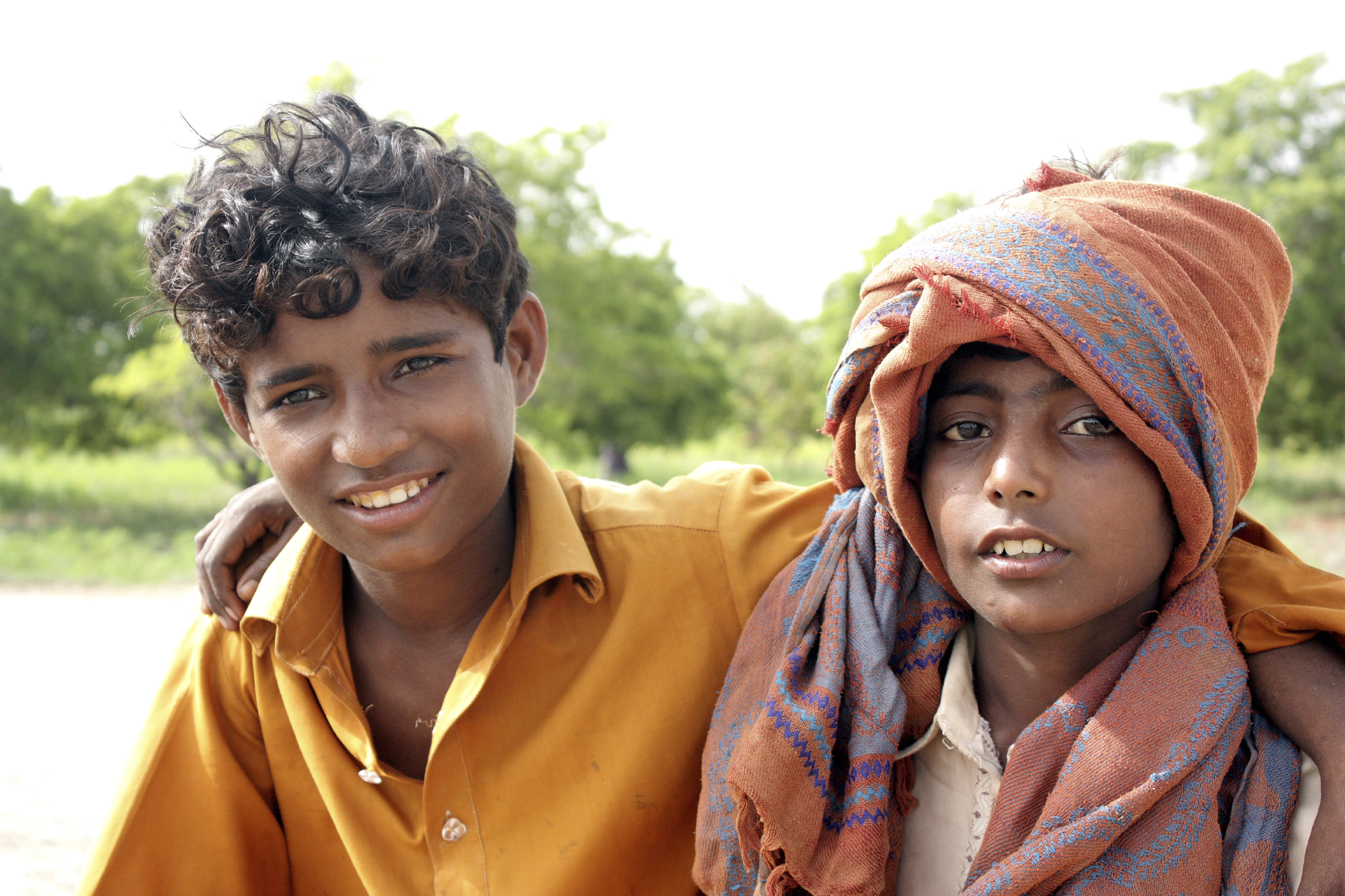
The massive inflow of refugees in Europe has received unprecedented attention from the media, international agencies, and policymakers, and has generated an intense debate over adequate policy responses. However, refugees in Europe make up a fraction of the world’s forced migrations. According to the UN Refugee Agency, 86 percent of…
-
Why the UN Can’t Stop Civilian Slaughter
•
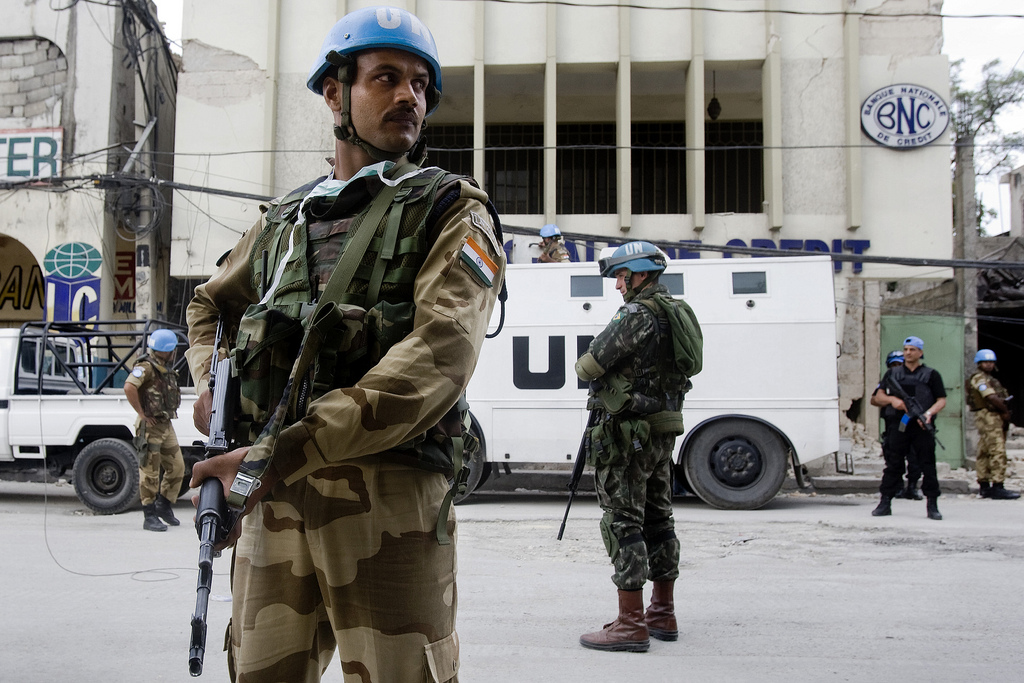
Though the perceived function of the United Nations Peace Keeping Operations is to protect civilians in conflict, it is often unable to fulfill its role in safeguarding vulnerable lives. What hinders the organization from preventing loss of civilian life, and why? Authors Bellamy and Hunt explore the expectations attached to…
-
The Strategy Behind China’s Rising Influence in Latin America
•
China’s efforts to foster a partnership with countries in Latin America reflects its strategic goal of enhancing its “hard” and “soft” power to elevate China’s status at the systemic level.
-
NATO Needs to Rethink Its Enlargement Strategy
•
NATO should alter its current enlargement policy by infusing it with geopolitical rationales. This means downgrading the transformative and democratization elements of enlargement and, instead, focusing on how candidate countries add to NATO’s capabilities and impact overall alliance security.
-
Do Alliances Actually Make States More Secure?
•
Evidence suggests that policymakers should abandon alliance formation as a means of preventing war.