
India
-
Reform, Resilience and Growth: Evolution of Indian Fiscal Policy from 1991 – 2024
•
The evolution of the fiscal policy of India from 1991 to 2024 is a story of transformation, resilience and adaptation, reflecting the interplay of domestic reforms, political imperatives and global challenges. Throughout these decades, India shifted from managing a severe balance of payments crisis to becoming one of the world’s…
-

Minorities: Strangers within their own country
•
On Oct. 7, 2024, the 10th anniversary of my father’s passing, I yearned to connect with my older sister in Bangladesh. Unable to visit our parents’ graves herself, my sister arranged for someone to light candles in their memory. However, the images she sent me depicted not only the illuminated…
-

Manipur Burning: India’s Silent Crisis the World Must Not Ignore
•
The adage, “You can’t expect a new destination by walking the same path,” resonates deeply with the ongoing tragedy in Manipur, a northeastern Indian state that shares a nearly 400-kilometer border with Myanmar. Since 2023, the region has been engulfed in relentless ethnic violence, tearing apart the fragile social fabric…
-

India Stack: Navigating tensions between Privacy, Inclusion for a Digital Future
•
With a population of over 1 billion and a deep colonial past, India has come a long way since gaining independence. In recent years, the country took the world by storm with its Unified Payments Interface (UPI) technology. This digital payment system played a large role in facilitating economic activity…
-

Court-ing Growth in India: Cut Red Tape, Create Jobs
•
India’s economy must create 1.1 billion well-paying jobs by 2050 before its “demographic dividend” window closes. However, neither the government’s current job-creation strategy nor a service-led approach addresses the magnitude of this problem. The fundamental solution lies in removing regulatory bottlenecks in Indian states and decongesting courts, thus creating conditions…
-
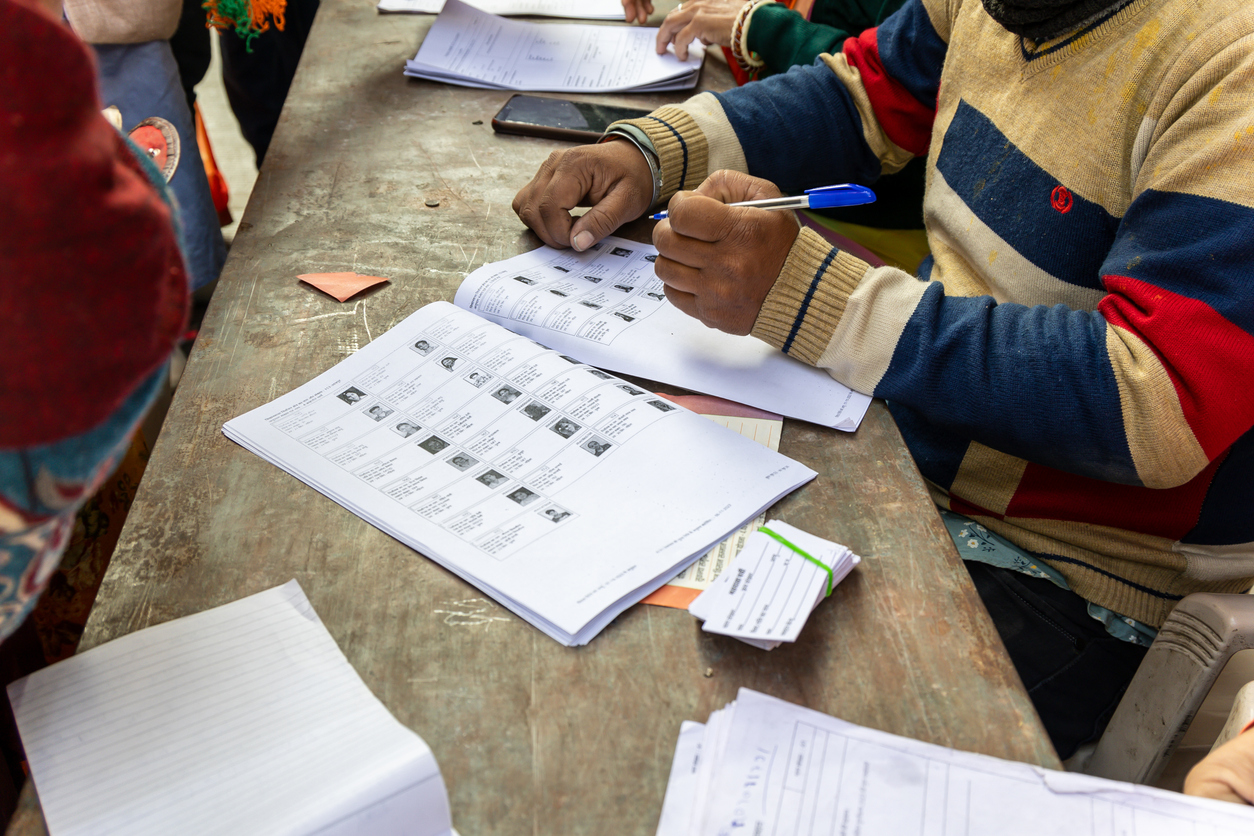
How to Revive Trust in Indian Democracy? Start with Digital Engagement
•
The story begins in 2022 in rural Odisha, in eastern India, where self-coined ‘Hashtag warriors’ stormed Twitter for 12 minutes every day at noon to call attention to local issues. The campaign, called 12baje12minute, highlights how Twitter emerged as the preferred digital platform in Odisha for grievance redressal since the…
-
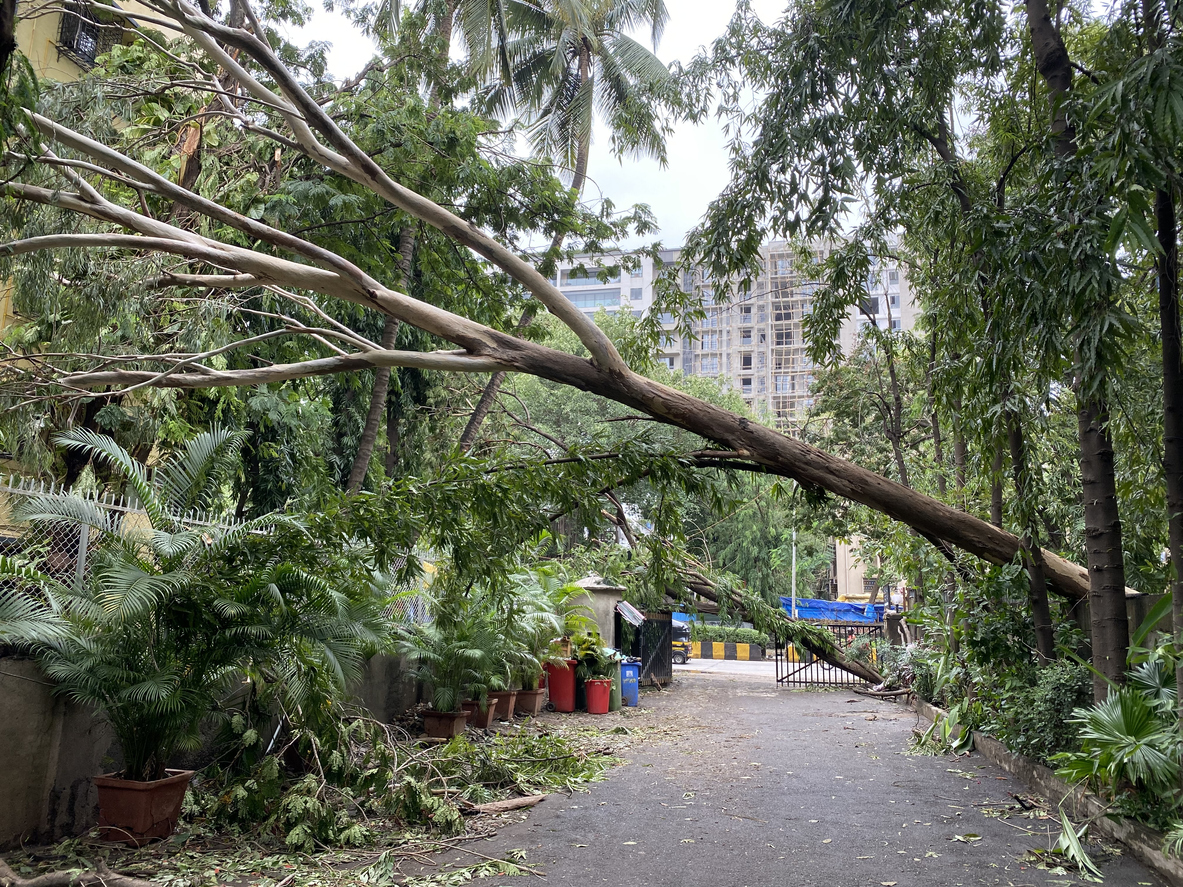
Effective Recovery as a Path for Progressive Development
•
Rimjhim Agrawal is a first year MPP student at Harris School of Public Policy and a Graduate Assistant at the University of Chicago with the Dean of Students Office. India faces rising threats due to natural and anthropological hazards owing to its unique geo-climatic conditions, growing climate change concerns, and…
-

Drunk Drivers: Beware the Economists
•
Every year, traffic accidents cause 50 million injuries and 1.35 million deaths globally. A staggering 90% of these deaths happen in developing countries. Though it is difficult to isolate accidents caused by drunk driving, they are estimated to represent 30% of all accidents. In countries like India with high frequencies…
-

Digital Tutoring Could Deliver a Tailored Education for Every Child
•
In India, despite primary school enrollment rates over 95 percent, over half of students in the 5th grade cannot read at a 2nd grade level. A lagging student will likely absorb little material when she is in a classroom covering material more advanced than her knowledge and skill. This problem…
-

‘All Countries Have a Stake’: Dr. Kennette Benedict Talks Nuclear Security and Global Responsibility
•
People and nations worldwide cannot be assured of their safety as long as nuclear warheads remain ready for launch. How do we address the unspeakable dangers of nuclear war in today’s political climate? Dr. Kennette Benedict speaks about current and future nuclear security considerations in light of global responsibility and…
-

Building School Latrines in India to Increase School Enrollment
•
UNESCO estimates that there are still 263 million children ages six to 17 years old who do not attend school. Of these children, 23 percent reside in India. One of the contributing factors to low enrollment in India is a lack of sanitation in school. Without school latrines, students are…