
Health
-

Centering Equity in Urban COVID-19 Recovery
•
Even before the outbreak of the novel coronavirus, socioeconomic inequality plagued cities across the globe. The pandemic itself has both deepened those existing wounds and ripped open new ones. In the United States, neighborhoods predominantly inhabited by people of color have experienced the highest rates of both infections and deaths,…
-
The Case for Subsidizing COVID-19 Self-Tests
•
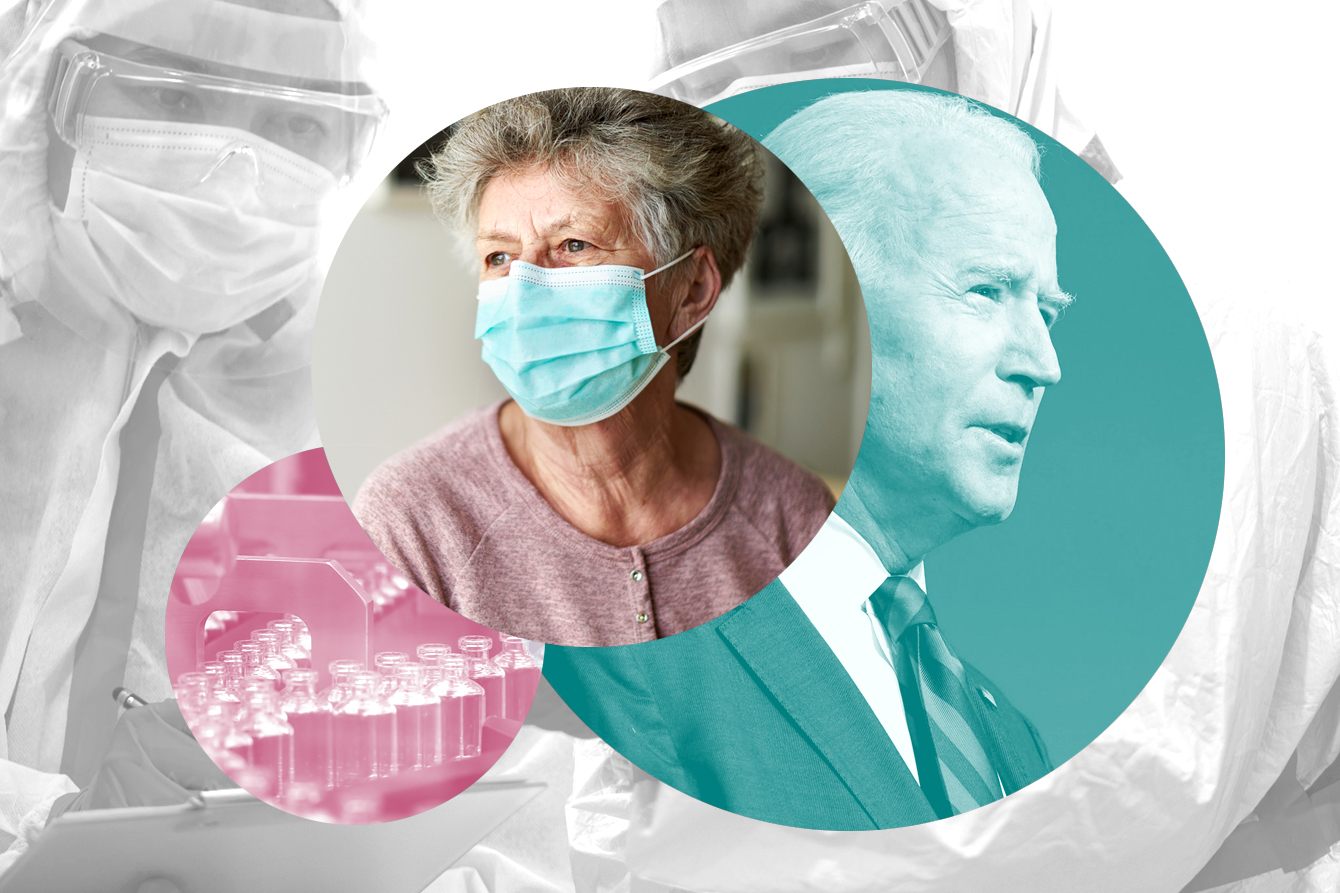
As the world grapples with recurring waves of COVID-19 infections, policymakers are struggling to balance public health considerations with reopening the economy. While their tools are limited until a vaccine is widely available, testing can be an effective method to slow the spread of the virus. Nevertheless, tests may not…
-

Who Assesses the Assessors? Studying Prescription Drug Monitoring Program Data Quality
•
The current opioid epidemic is unprecedented in its scope, accounting for the deaths of 72,000 Americans in 2017 and surpassing deaths from car accidents and gun homicides combined. In response, policymakers have been attempting to find solutions. One attempted solution is the creation of Prescription Drug Monitoring Programs (PDMPs), databases…
-

Opioid Use and Employment: A Complicated Relationship
•
Opioid use can be traced back at least as far as the end of the 3rd millennium B.C., with notable crises worldwide in both the 19th and 20th centuries. However, today’s epidemic is “the worst drug addiction epidemic in [U.S.] history,” accounting for the deaths of 72,000 Americans in 2017…
-

La democracia paga: nueva evidenca sobre su impacto en el crecimiento económico
•
Es tentador ser escépticos sobre la relación causal entre democracia y crecimiento económico, especialmente con ejemplos como China, el eclipse de la primavera árabe o el aumento del populismo en Europa y Estados Unidos. Sin embargo, nueva evidencia empírica muestra que la democratización aumenta el PIB per cápita entre 20…
-

Black Births Matter: Institutional Racism and Infant Mortality Rates in the United States
•
Infant mortality is a common indicator of a country’s overall health and economic progress. In the United States, an African American baby is twice as likely as a White baby to die during their first year of life. This fact embodies the country’s struggle with racism. While the U.S. rate…
-

Why Don’t People Search for the Cheapest Health Care?
•
According to a poll conducted by Monmouth University earlier this year, the cost of healthcare is the top concern for American families. This makes sense in the context of a health system in which the proliferation of high deductible health plans—where patients pay greater amounts before their insurers start contributing—have…
-

Ethanol Cookstoves and Their Impact on Pregnant Women: Lessons from Nigeria
•
In Nigeria and much of the developing world, kerosene and biomass fuels are used to provide energy for cooking, heating, and lighting. Reliance on these fuels leads to high levels of household air pollution (HAP), which causes 4.3 million premature deaths worldwide, according to a 2012 World Health Organization (WHO)…
-

Quitting Smoking Can Increase Weight More Than We Thought
•
Obesity is a growing health problem in the United States with prevalence rates rising from 13 percent in the 1960s to 35 percent in 2012. The United States has the highest obesity rate in the OECD, but the world is keeping pace: The World Health Organization has declared obesity to be…
-

Healthy Habits: Using Behavioral Science in Health Policy
•
Encouraging healthy behaviors is a significant policy challenge because efforts to spark conversation around a health topic often fail to translate into strategies that actually change collective health behaviors. Although campaigns might be successful at spreading information, such messages may not inspire people to act differently. For example, when the…
-

Is Patient Activation the Answer? Engaged Patients Could Yield Lower Costs for Hospitals
•
This piece, first published on June 22, 2016, is being republished as part of the Chicago Policy Review‘s 20th Anniversary Series. Please visit us here to learn more about the series from our Executive Editors. Accountable Care Organizations (ACOs) are growing rapidly in the United States because of new pay-for-performance incentives under the Affordable Care Act.…