
Geopolitics
-

As Russo-American Tensions Rise, Nuclear Policy Must Stay Grounded
•
As Russia encroaches on Ukraine’s sovereignty, it bears remembering: the United States currently has over a thousand nuclear weapons currently deployed, hundreds of which can be launched in five minutes of the President deciding to initiate a strike. Russia is similarly armed. And yet since the fall of the USSR,…
-
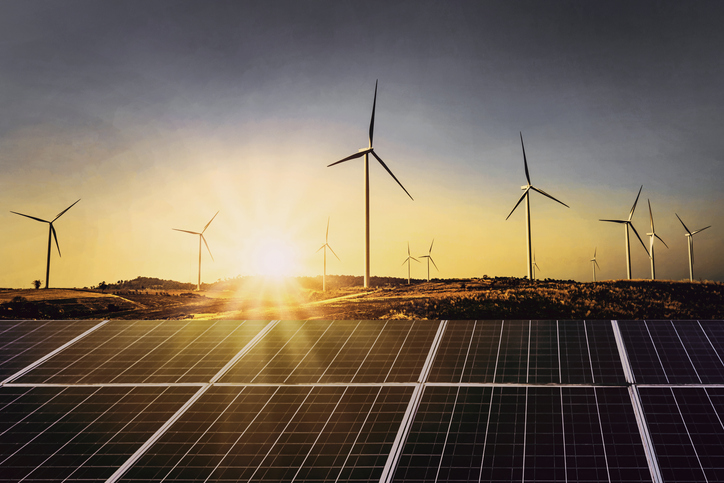
The Geopolitics of Renewables: The World in 2050
•
Renewable energy is increasingly popular as the urgency for climate action intensifies around the globe. Meanwhile, ongoing technological and economic challenges dominate the debate over the deployment of renewables, marginalizing the discussion of the geopolitical consequences of a renewables-heavy future. However, a research group sponsored by the International Renewable Energy…
-
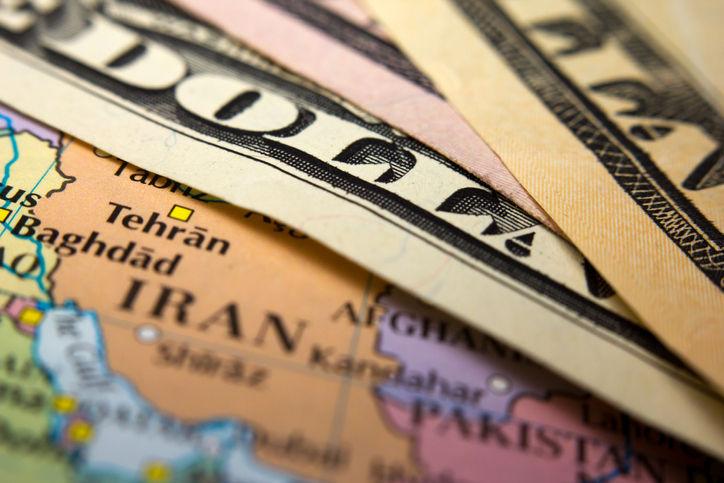
The Impact of Sanctions on Iran’s Energy Sector
•
The recent withdrawal of the United States from the multilateral Iran Nuclear deal (commonly known as JCPOA) reimposes American sanctions on the purchase of Iranian oil and natural gas. The decision from the Trump administration will have wide-reaching effects on everyone from bankers and insurers to international shipping companies and…
-

Strategic Motivations of Foreign Aid in a Changing World
•
Gauging developed countries’ motivations for providing development assistance is complex. One theory suggests that governments of developed countries see foreign aid as a tool of realpolitik, using foreign aid to improve relations with recipient countries and prevent political destabilization. In a recent paper, political scientist Sarah Blodgett Bermeo examines the…
-
NATO Needs to Rethink Its Enlargement Strategy
•
NATO should alter its current enlargement policy by infusing it with geopolitical rationales. This means downgrading the transformative and democratization elements of enlargement and, instead, focusing on how candidate countries add to NATO’s capabilities and impact overall alliance security.