
Foreign Aid
-

More than a Band-Aid: Why Foreign Aid Must Evolve
•
If you were born in the year 1820, your odds of living in extreme poverty, defined as surviving on less than $1.90 per day in today’s dollars, were greater than 75%. Today, that likelihood is just 10%. The world has made significant improvements in quality of life over the past…
-
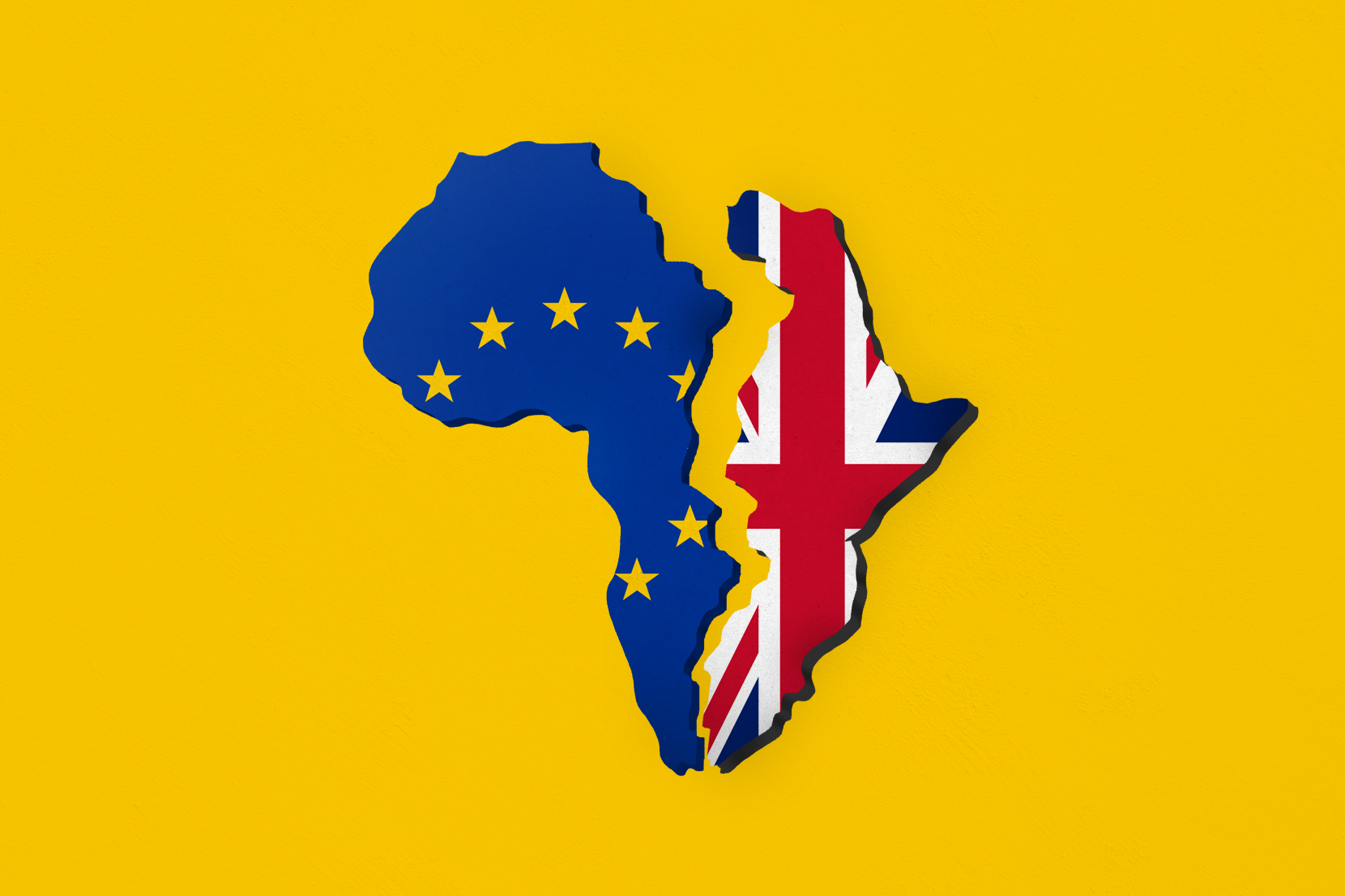
What Does Brexit Mean for Africa?
•
On June 23, 2016, the British people voted in a referendum to withdraw from the European Union — a historic move that is still being processed today. “Brexit” not only impacts the United Kingdom’s relationship with the European Union, but also the rest of the world’s trade agreements with Britain.…
-
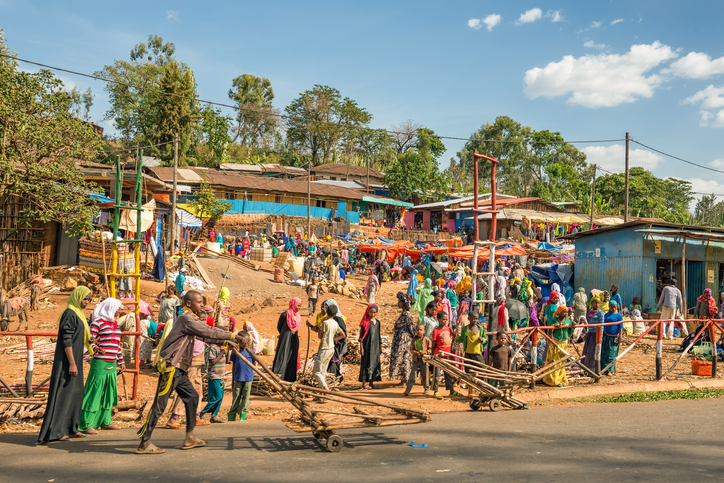
How Decentralization and International Aid Reduce Inequality in Ethiopia
•
In 2017, foreign aid from official donors totaled over $146.6 billion. The bulk of this aid went to decentralizing or decentralized countries, in which regional or local governments are granted powers and resources. Localized governments are believed to be more accountable to voters because they are “downward-looking” and need to…
-

Strategic Motivations of Foreign Aid in a Changing World
•
Gauging developed countries’ motivations for providing development assistance is complex. One theory suggests that governments of developed countries see foreign aid as a tool of realpolitik, using foreign aid to improve relations with recipient countries and prevent political destabilization. In a recent paper, political scientist Sarah Blodgett Bermeo examines the…
-

How Public Support for Foreign Aid Depends on Trust
•
Literature on development aid ranges from analyzing the effectiveness of aid to assessing foreign policy attitudes. However, as many members of society scrutinize government spending and demand transparency, it becomes increasingly necessary to justify a foreign aid budget to a skeptical public. In a detailed study using data from the…
-

Does Foreign Aid Have an Effect on Economic Growth? New Research Adds to the Debate
•
This piece, first published on June 15, 2016, is being republished as part of the Chicago Policy Review‘s 20th Anniversary Series. Please visit us here to learn more about the series from our Executive Editors. There is an ongoing debate about the impact of international aid on growth, particularly in developing countries. Jeffrey Sachs and William Easterly represent the two primary strains…
-
Does Foreign Aid Have an Effect on Economic Growth? New Research Adds to the Debate
•
There is an ongoing debate about the impact of international aid on growth, particularly in developing countries. Jeffrey Sachs and William Easterly represent the two primary strains of thought in this debate. Sachs argues that foreign aid constitutes an important instrument to reduce poverty and foster development, while Easterly suggests that foreign aid fails to reach…
-

Food Aid in Syria: Good Intentions, Unintended Outcomes
•
Emergency food aid is often depicted as the international community’s humane response to a crisis, aimed at alleviating suffering in areas of conflict or following natural disasters. However, a recent paper argues that despite the impartial intentions of UN agencies and other humanitarian organizations, the distribution of food aid during…
-

Rethinking the Use of Biometric Systems for Refugee Management
•
The use of iris scans for refugee management is expanding, but the risks associated with this technology are often overlooked.
-
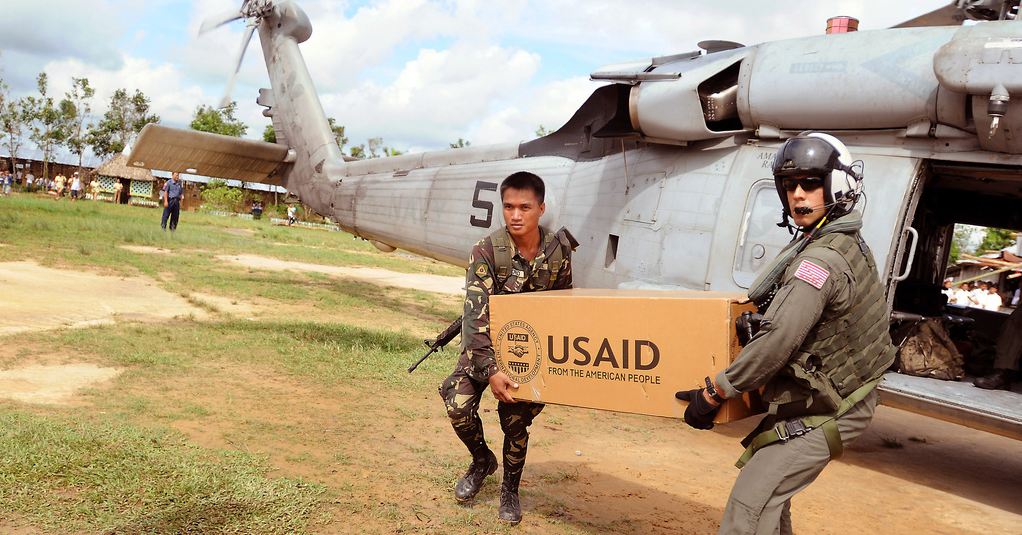
Dividing the Carrot: How Americans Think About Foreign Aid
•
One study looks at how Americans fare when navigating the complexities of U.S. foreign policy to make informed decisions on foreign aid.
-

Food for Thought: Does the Delivery of Food Aid Contribute to Conflict?
•
New research investigates the relationship between food aid and civil conflicts