
Equity
-

Walkable Cities: Ending the Automobile Reign
•
In the US, the car is an unkind king to its citizens. Cars mobilize, but also blast out pollutants and promote a sedentary and lonelier lifestyle. Conversely, walkable cities—where reaching local amenities on foot is both feasible and pleasant—bring myriad health and social benefits. Suburban sprawl is not conducive to…
-

Decarbonize Housing: Centering Equity While Phasing Out Natural Gas
•
As federal climate action falters, America’s mayors have a new plan to stop global warming: ban the use of natural gas in homes. While roughly 58% of American households use gas-powered stoves or heaters, research suggests that doing so is bad for our health and the environment. In use, gas stoves release nitrogen oxide, a…
-

High Impact Practices in Higher Ed Need an Equity Framework
•
Author’s Note: On Nov. 8, 2021, Harris students received from Dean Baicker the shocking news that our classmate Samantha (Sam) Burton, MPP ’22, had passed away several days prior due to a sudden illness. In her honor, below is a Research-in-Review of a paper she co-authored with undergraduate mentors Dr.…
-

Centering Equity in Urban COVID-19 Recovery
•
Even before the outbreak of the novel coronavirus, socioeconomic inequality plagued cities across the globe. The pandemic itself has both deepened those existing wounds and ripped open new ones. In the United States, neighborhoods predominantly inhabited by people of color have experienced the highest rates of both infections and deaths,…
-

The Redistributive Power of City Government
•
At their best, cities are places where people of all income levels take the same train and play with their kids in the same park, bridging the gap and fostering a sense of community. In reality, the “tale of two cities” often seen in the differences between glittering downtowns and…
-
Can Variable Transit Fares Increase Equity?
•
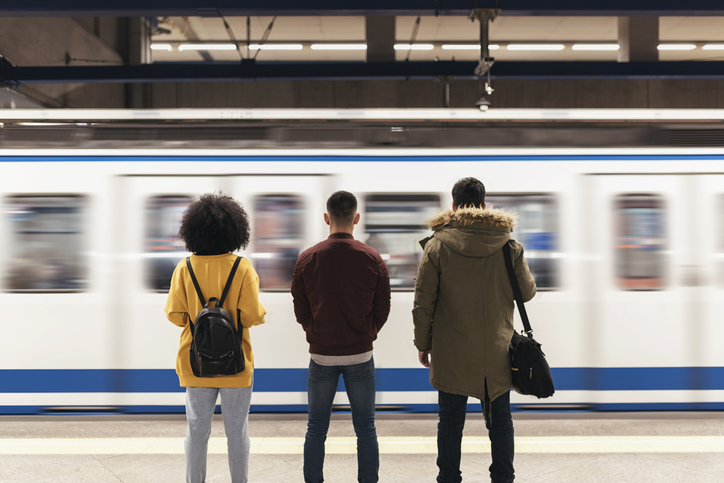
Campaigns to introduce what activists call “fair fares” on mass transit systems have recently taken root in U.S. cities. The idea behind these initiatives is to introduce a pricing system that is less regressive in order to promote equity for low-income riders. Most major U.S. public transit systems, including New…
-

Understanding ‘Home Bias’ in the Global Stock Market
•
Stock price data for a set of Chinese firms highlight the effects of information asymmetry created by differences in social trust between local and foreign investors.
-

Debt in the Bank: CEOs, Compensation, and Risk
•
A working FDIC paper examines the relationship between compensation, CEO risk behavior, and long-term firm solvency.
-

Will Basel III Help or Hurt?
•
Will new regulations make the financial system safe or just ineffective?
-

Most Unequal, More Separate: How Income Segregation Skyrocketed In U.S. Cities
•
A pair of researchers explain why our cities have been pulled apart and how we can mend them back together.