
Environmental Policy
-

The Policy Barriers to Reducing Meat Consumption
•
The UN Food and Agriculture Organization (FAO) has consistently emphasized the need to reduce animal-based food consumption in Western countries in its annual report, The State of Food and Agriculture. In particular, reducing red and processed meat for public health and environmental reasons1. The 2024 edition emphasizes sustainability and health,…
-

Electric School Buses Are Flipping the Traditional Electricity Model on Its Head
•
From San Francisco to Chicago to Fairfax, Va., electric buses are helping school districts reduce their carbon footprints and protect the lungs of their young riders. Unlike more popular transit options, electric school buses provide great opportunities to reshape the electric grid without disadvantages such as low range or demand…
-

Do Electric School Buses Have an Impact in the Classroom?
•
Policy experts have studied the many social determinants of health for years. Most researchers agree that a person’s health is dependent on his or her social and physical environment. Many studies have examined how repeated exposure to air pollution increases the risk of developing asthma and pneumonia. School buses, which…
-

New Evidence on the Effectiveness of Early Interventions for Children With Lead Poisoning
•
Early childhood lead poisoning has been linked to detrimental effects on cognition, academic performance, IQ, high school graduation, and even adult earnings. In many countries, laws prohibiting the use of leaded gasoline have reduced lead exposure, but many children continue to be exposed to lead from deteriorating paint in older…
-
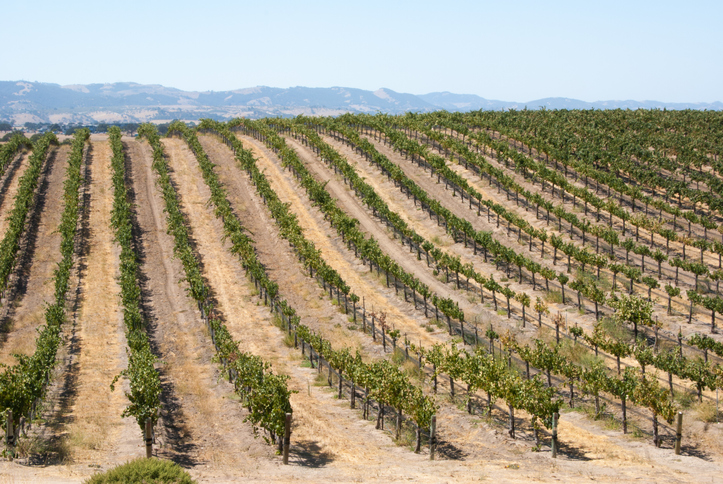
Vulnerability: Agricultural Workers and Climate Change
•
Since the broad discovery of climate change in the 1970s, researchers and scientists have attempted to understand its wide-ranging effects. Previous studies have extensively examined the relationship of climate to water access, human health, economic development, and global food supply. But as researchers tend to focus on the larger-scale threats…
-

Innovation and Climate Change: A Framework for Effective Environmental Policy
•
Climate change and environmental degradation may be the greatest existential threats the world will face for generations to come. After entering in to office in January 2017, the Trump administration signaled that it would pull out of the Paris Climate Agreement, dealing a blow to the spirit of global cooperation…
-

The Future of Conservation in the Amazon Rainforest
•
You have been involved in environmental research and deforestation issues in the Amazon from the earliest stages of interest in this area. What was that like? The Amazon appeared on the radar screen about 25 to 30 years ago as something that Brazilians needed to understand and wanted to learn…
-

Paying Too Much for Energy? The True Costs of Our Energy Choices
•
With less than five percent of the world’s population, the United States consumes about one-fifth (21 percent) of the world’s energy. In a working paper for The Hamilton Project published in 2012, Greenstone and Looney find that the true social cost (private costs on energy bills plus external costs) of energy…
-

Putting a Price Tag on Nature: Contingent Valuation and Other Approaches
•
According to a recent study, the human brain works differently when evaluating nature than when defining a value for any other good.
-

Climate and Conflict: Why Politicians Should Understand How Climate Change Poses a Threat to Security
•
The review of 55 scientific articles shows that deviations from moderate climate and precipitation patterns systematically increase the risk of violence and conflict, both on an interpersonal level (assaults, murder, rape) and an intergroup level (political conflicts).
-

The Changing Landscape of GMO Policy in the EU
•
Diffusion patterns of GMO-“freeness” in the EU reveal significant intra-state diffusion but limited inter-state growth.