
Environment
-

Beyond the Fork: A Conversation with JoAnne Berkenkamp on the Future of Food Waste
•
The growing interest surrounding how our food is produced and distributed has placed increased scrutiny on what happens ‘when we are done with it.’ The key to reducing food waste is to realize that we are all stakeholders from farm to fork, and beyond.
-

COP21 – Insights into Climate Negotiations from Halldór Thorgeirsson
•
Halldór Thorgeirsson, Director for Strategy at the UN Climate Change Secretariat, shares his insights into international political negotiations, the implications of the Paris climate agreement, and why it is so important to empower cities, private companies, and consumers in an effort to limit the effects of climate change.
-

Putting a Price Tag on Nature: Contingent Valuation and Other Approaches
•
According to a recent study, the human brain works differently when evaluating nature than when defining a value for any other good.
-

The 2008 Beijing Olympic Games: Spillover Effects on Air Quality and Health
•
A study links special government controls on pollution enacted during the 2008 Olympic Games in Beijing to significant increases in air quality and significant decreases in mortality rates associated with cardiovascular and respiratory diseases.
-

The Role of Drought and Climate Change in Syrian Conflict
•
A recent study shows how climate change contributed to the 2007-2010 drought and how this affected conflict in Syria.
-

Climate and Conflict: Why Politicians Should Understand How Climate Change Poses a Threat to Security
•
The review of 55 scientific articles shows that deviations from moderate climate and precipitation patterns systematically increase the risk of violence and conflict, both on an interpersonal level (assaults, murder, rape) and an intergroup level (political conflicts).
-

From Farm to Trashcan, America’s Food Supply Is Being Squandered: A Look At Consumer Attitudes
•
Researchers find that framing messages about food waste in terms of potential cost savings for consumers can be more effective than mentioning threats to the environment.
-

Are electric cars more environmentally friendly? It depends where you drive them.
•
The boom in electric car sales, enhanced by federal subsidies, does not reflect the fact that, in some cases, powering those cars produces more emissions than powering conventional cars. The characteristics of each state and regional mode of electricity generation should be considered in designing a subsidy (or tax) scheme.
-

GMOs: Where the Science Stands on Nutrition and Agricultural Advancement
•
A survey of literature shows that, while GMOs are overwhelmingly beneficial to farmers, consumers, and the environment, policy precautions should be taken to prevent poor land management practices.
-

Editor’s Note: A Review of the Science and Practices behind Genetically Modified Foods
•
Genetically modified foods have become ubiquitous, but many people distrust the corporations behind them. This makes it difficult to know who to believe in the debate over the future of GM products. In this series, we review science and industry practices to address the most common sources of confusion.
-
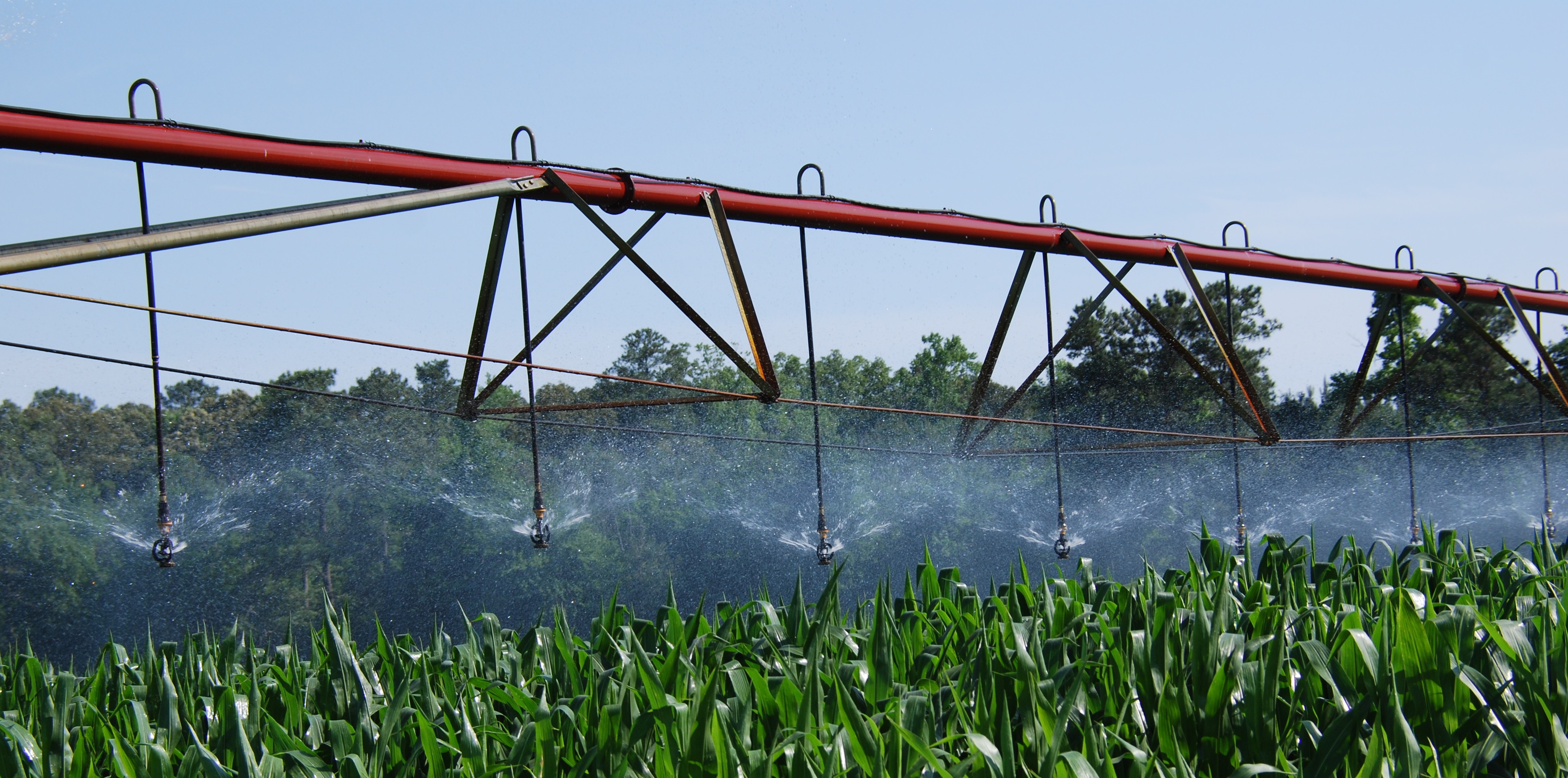
The Unintended Consequences of Subsidized Irrigation Conservation
•
Government-led, cost share programs enabling US farmers to adopt water-saving irrigation systems may actually be increasing water use. Changing the way water rights are defined might help.