
Environment
-

The Country of Perpetual Potential: Indonesia’s Barriers in Renewable Energy Transition
•
Indonesia, with a renewable energy potential of 3,692 GW, is among the most resource-rich countries in the world for sustainable energy development. However, between 2020 and 2023, renewable energy usage increased only from 2% to 3%. This accounted for approximately 14.5% of the nation’s electricity generation, which falls short of…
-
Investor Opportunities and Corporate Risks: China’s Emerging ESG Framework
•
When examining official Chinese state policy regulations, one would not expect to see text in English, yet the Latin letters “E,” “S,” and “G,” stand out in pages full of Mandarin text in the “Plan to Improve the Quality of State-Owned Listed Companies.” The plan is representative of the larger…
-

Why Our Brains Tune Out Climate Change
•
In 2018, Climate Outreach, a leading climate-communications non-profit, released a handbook for scientists working under the Intergovernmental Panel on Climate Change (IPCC) on how to effectively communicate climate change to the public. The handbook suggests that good science alone is not enough to motivate people to take action against climate…
-

Technological Innovation: False Hope or Promising Solution to Combating Climate Change?
•
From the wheel in Ancient Mesopotamia to modern artificial intelligence, technology has aided society for thousands of years. The most transformative era came during the Industrial Revolution, when machines allowed humans to produce massive quantities of goods at a fraction of previous costs. The revolution significantly increased living standards and…
-
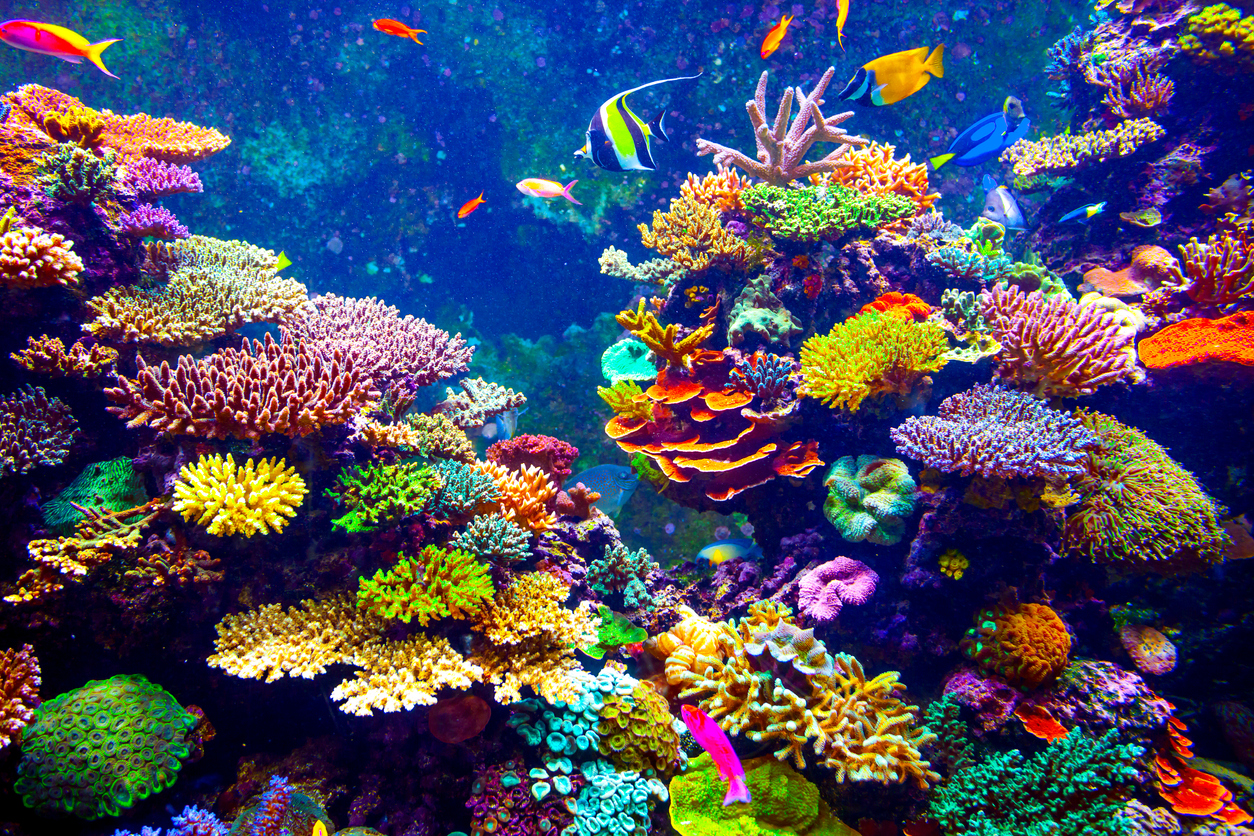
Study Shows Coral Deaths Continue to Rise
•
A newly published international report confirms global warming has damaged coral reefs throughout the world’s oceans. The Status of Coral Reefs of the World: 2020 published by the Global Coral Reef Monitoring Network (GCRMN), stated, the world has lost about 14% of its coral reefs since 2009. This report, the…
-
Do Carbon Offsets Work in Reducing Overall Emissions? Numbers Say No.
•
The Clean Development Mechanism is central to the global movement to reduce greenhouse gas emissions. According to the United Nations, the Clean Development Mechanism (CDM) allows countries with emission-reduction or emission-limitation commitments under the Kyoto Protocol to implement an emission-reduction project in developing countries. Through these projects, high-income countries earn…
-
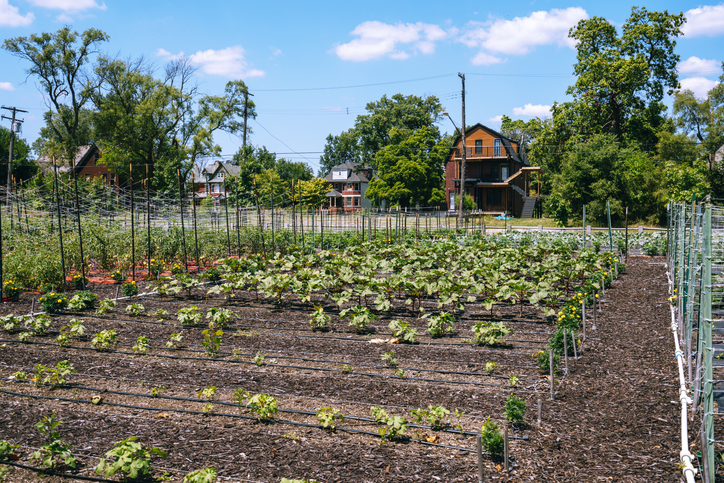
Who Participates in Small-Scale Urban Agriculture? And Why?
•
As urbanization increases across the globe, it is important for policymakers and local leaders to ensure that urban residents find affordable, sustainable produce that positively impacts local and global ecosystems. One solution is community gardening and private at-home gardens, otherwise known as “small-scale urban agriculture.” Community gardens are often run…
-

Could Global Warming Increase Racial Disparities in Student Achievement?
•
While much of global warming research focuses on the natural world — considering how climate change impacts ecosystems, agriculture, and biodiversity — a new wave of research studies how climate change will reshape the social and economic world. In this emerging field, a novel study suggests that global warming may…
-

Brazil’s Environmental Downturn: A Tale of Many Cattle
•
On September 28, Brazil’s National Environment Council (CONAMA), led by the Environment Minister Ricardo Salles, abolished Resolutions 302 and 303/2002. It established mangrove fields as Areas of Permanent Protection (APP). CONAMA will likely make a similar decision regarding the Pantanal, the world’s largest tropical wetland area located in southwest Brazil.…
-
Microgrids Require Macro Investment
•
The energy landscape is rapidly changing in response to concerns over resilience, climate change, and energy independence. Several cities around the world have pledged to become partially or completely carbon-free over the next couple of decades. But how does a city reach this goal? Municipalities often enter contracts with utilities…
-

How Does Pollen Affect Criminal Activity?
•
A simple model of crime suggests that a criminal will act when the benefits of committing the crime outweigh the costs. The benefits might include anything from financial gain to emotional release. The costs are also wide-ranging — from the obvious legal punishments to the more subtle ways in which…