
Energy
-

How Nudges Can Help Households Internalize Energy Saving Information
•
A new study proposes a model to estimate the welfare impacts of providing energy saving reports for households. The study shows that this type of nudge overestimates the reports’ impact because they do not take into account the overall costs of changing people’s behaviors. However, well-targeted schemes can increase both…
-

American Skeptics: How Special Interests Create Ambiguity on Climate Change
•
Much of the controversy over environmental issues in the US can be attributed to interest groups campaigning in the media. A new model strives to show the ways in which these efforts might inform or misinform audiences and their effects on environmental issues.
-

Renewable Energy Policy – Not Just a Domestic Issue
•
Supportive renewable energy policy has a significant effect on international trade for solar energy technology components, where early investment is the key to large growth for exporting countries.
-

The Cost of Wind Energy: Tradeoffs between Energy Storage and Transmission
•
New research finds that transmission costs must be at least $600/MW-km and energy storage must cost at most $100/kW h in order for wind energy storage to be economical.
-

Paradox of Subsidy: Could Biofuel subsidies be increasing CO2 emissions?
•
A new study finds that biofuel subsidies from 1981-2011 paradoxically may have led to the increase in oil production and greenhouse gas emissions.
-

How Message Framing Can Help Explain Energy User Motivations
•
Targeted message framing can help increase participation in and understanding of energy efficient programs provided by utility companies and government subsidies, which are largely unknown by residents.
-

Behind Public Opinion: What Makes Hydraulic Fracturing Controversial
•
Understanding individual perceptions can help explain public opinion polls about hydraulic fracturing.
-

Developing Efficiency: Why energy efficiency gains in China may not be fully realized
•
The rebound effect, which measures the increased demand for energy from increasing energy efficiency, is found to be strong in Chinese urban residential electricity use.
-
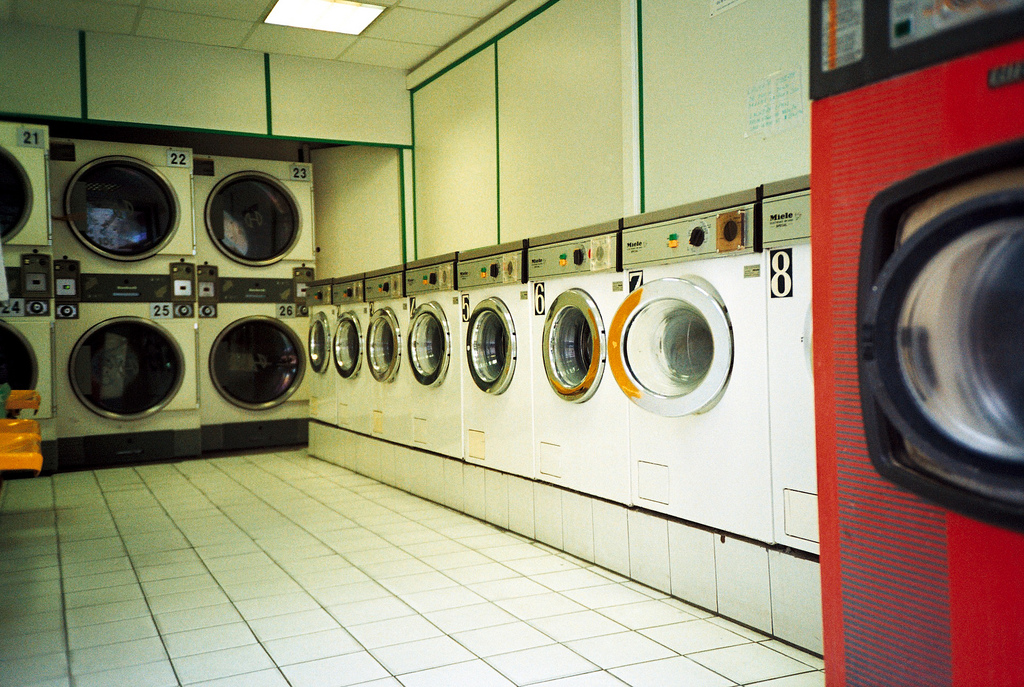
Conditional Demand Analysis: A cheap and effective approach to modeling residential energy usage
•
The statistical technique of conditional demand analysis allows Canadian researchers to cheaply estimate residential appliance savings and help policymakers structure behavioral and technological conservation programs.
-

Discounting Energy Savings: Lessons from Incandescent Light Bulbs
•
A new study finds that consumers value compact fluorescent light bulbs less than their energy savings would imply.
-

More Efficient Energy Efficiency: Smarter Program Targeting Means Higher Savings
•
New research shows that targeting high energy customers is an effective way to achieve substantial energy savings in utility conservation and efficiency programs.