
Energy Policy
-

How Can Policymakers Increase the Adoption of Smart Home Technologies?
•
Smart homes are a critical component of the developing smart energy grid. Smart home technologies make it easier for homeowners to reduce their energy consumption, and these features alleviate stress on the grid during periods of high electricity demand. As such, the adoption of smart home technologies has become a…
-
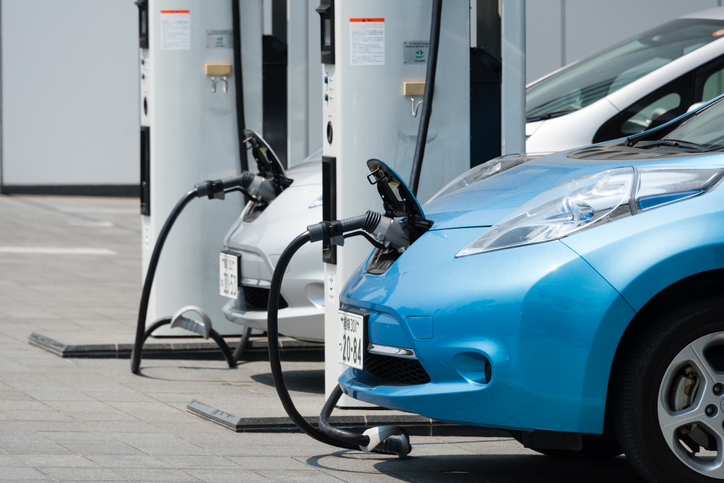
With the Right Government Incentives, Electric Vehicle Adoption Could Rise
•
Over the past decade, the trend of switching to electricity as a power source for everything from cars to space heaters has garnered much attention. With electricity now increasingly being generated from renewable energy sources, the electrification of transportation offers an attractive approach to reducing greenhouse gas emissions and potentially…
-

Shaky Ground: How the Disposal of Wastewater from Oil Production Increases the Risk of Earthquakes in Oklahoma
•
Since the early 2000s, there has been an increase in the number of earthquakes observed near oil and gas exploration and production sites in the US, particularly in states such as Oklahoma, Arkansas, and Texas. Until recently, details of the relationship between exploration techniques and the observed increase in seismic…
-

Paying Too Much for Energy? The True Costs of Our Energy Choices
•
With less than five percent of the world’s population, the United States consumes about one-fifth (21 percent) of the world’s energy. In a working paper for The Hamilton Project published in 2012, Greenstone and Looney find that the true social cost (private costs on energy bills plus external costs) of energy…
-

Is China ‘Unseating’ the US in the Middle East in a New Energy Landscape?
•
In light of the United States’ reduced need for oil imports, more West African and Latin American producers are competing with China’s traditional Middle Eastern suppliers for market share. The fall in global oil prices, due to increasing supply and slowing demand since mid-2014, has been an economic boon for…
-

How Nudges Can Help Households Internalize Energy Saving Information
•
A new study proposes a model to estimate the welfare impacts of providing energy saving reports for households. The study shows that this type of nudge overestimates the reports’ impact because they do not take into account the overall costs of changing people’s behaviors. However, well-targeted schemes can increase both…
-

With Energy Labels, One Size Doesn’t Fit All
•
Research shows that minor, individual energy savings can lead to a significant aggregate decrease in energy consumption. The challenge is informing consumers in a way that changes their behavior.
-

Evaluating the entire cost of renewable energy sources
•
New evidence of a “not in my backyard” attitude, illustrated in a recent study, conflicts with the conception of the inevitability of renewable energy sources as most important future sources of energy.
-

American Skeptics: How Special Interests Create Ambiguity on Climate Change
•
Much of the controversy over environmental issues in the US can be attributed to interest groups campaigning in the media. A new model strives to show the ways in which these efforts might inform or misinform audiences and their effects on environmental issues.
-

Buy One, Get One: Air Quality Co-Benefits of US Carbon Policies
•
Co-benefits from improved air quality can offset some if not all of the near-term costs of carbon-reduction policies. If the US commits to buying a carbon policy, citizens will also get reduced air pollution and improved health for free.
-

Opt-In, Opt-Out Options Vie for Top Billing in Efforts to Reduce Electricity Use
•
A 2011 pilot program found that when customers opted-in to electricity rates that vary by time of day, they reduced their peak-hour electricity use.