
energy efficiency
-

Can a Small Nudge Make a Big Impact on Household Energy Efficiency?
•
As America’s policymakers grapple with ways to reduce the nation’s carbon footprint, one often-overlooked area is ripe for improvement: household energy consumption. According to the Department of Energy, about 22 percent of energy consumed in the United States in 2016 was used by residential households. Yet, while residential energy consumption…
-

Integrated Systems Retrofits: A Strategy for Optimizing Building Energy Use
•
Approximately 40 percent of all carbon emissions in the U.S. are produced by buildings, with most coming from commercial and residential buildings. These buildings are significant contributors to total electricity consumption and greenhouse gas emissions in the U.S. Retrofit projects provide opportunities for existing buildings to correct their negative environmental…
-

Innovation and Climate Change: A Framework for Effective Environmental Policy
•
Climate change and environmental degradation may be the greatest existential threats the world will face for generations to come. After entering in to office in January 2017, the Trump administration signaled that it would pull out of the Paris Climate Agreement, dealing a blow to the spirit of global cooperation…
-

With Energy Labels, One Size Doesn’t Fit All
•
Research shows that minor, individual energy savings can lead to a significant aggregate decrease in energy consumption. The challenge is informing consumers in a way that changes their behavior.
-

How Message Framing Can Help Explain Energy User Motivations
•
Targeted message framing can help increase participation in and understanding of energy efficient programs provided by utility companies and government subsidies, which are largely unknown by residents.
-

Developing Efficiency: Why energy efficiency gains in China may not be fully realized
•
The rebound effect, which measures the increased demand for energy from increasing energy efficiency, is found to be strong in Chinese urban residential electricity use.
-
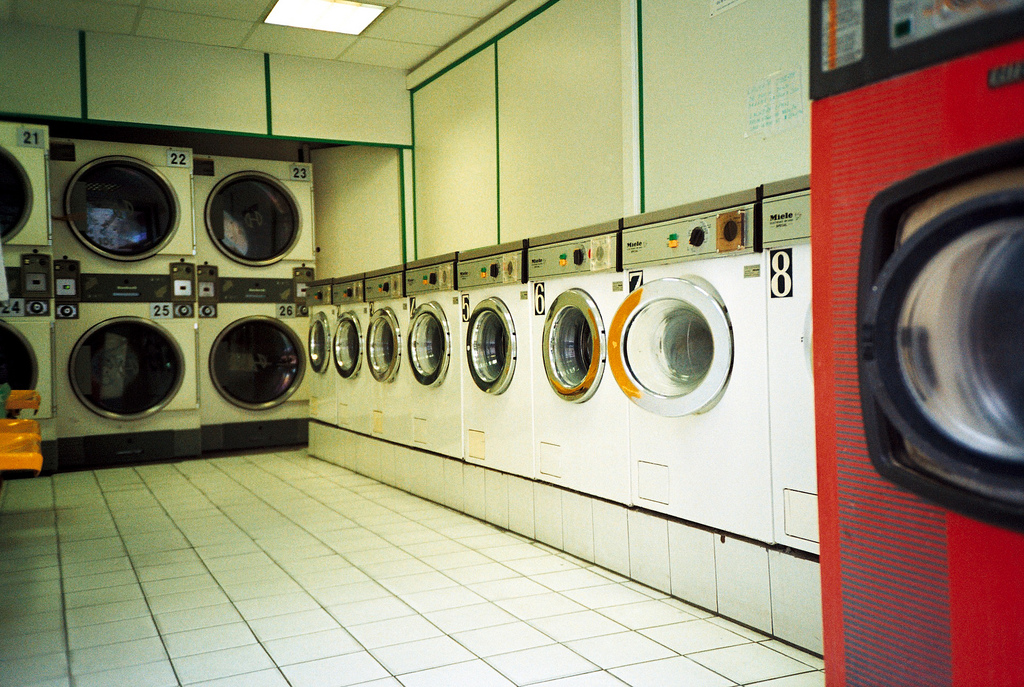
Conditional Demand Analysis: A cheap and effective approach to modeling residential energy usage
•
The statistical technique of conditional demand analysis allows Canadian researchers to cheaply estimate residential appliance savings and help policymakers structure behavioral and technological conservation programs.
-

Japan’s Highly Energy Efficient Transportation Sector: Is It Possible for the US to Replicate?
•
A new study compares transportation sectors in the US and Japan, suggesting that potential crossover for American policymakers is minimal.
-

More Efficient Energy Efficiency: Smarter Program Targeting Means Higher Savings
•
New research shows that targeting high energy customers is an effective way to achieve substantial energy savings in utility conservation and efficiency programs.