
Energy
-

Chicago Citizens Need Predictability in Their Electricity Bills
•
Chicago, a bustling metropolis, is known for its architectural splendor, robust sports, museum culture and vibrant economy. However, beneath its towering skyline, there lies a pressing issue that often goes unnoticed: the disproportionate impact of fluctuating energy costs on its marginalized communities. These communities, crucial to the city’s diverse tapestry,…
-
In the Battle for Rooftop Solar, Advocates are Running Low on Ammunition
•
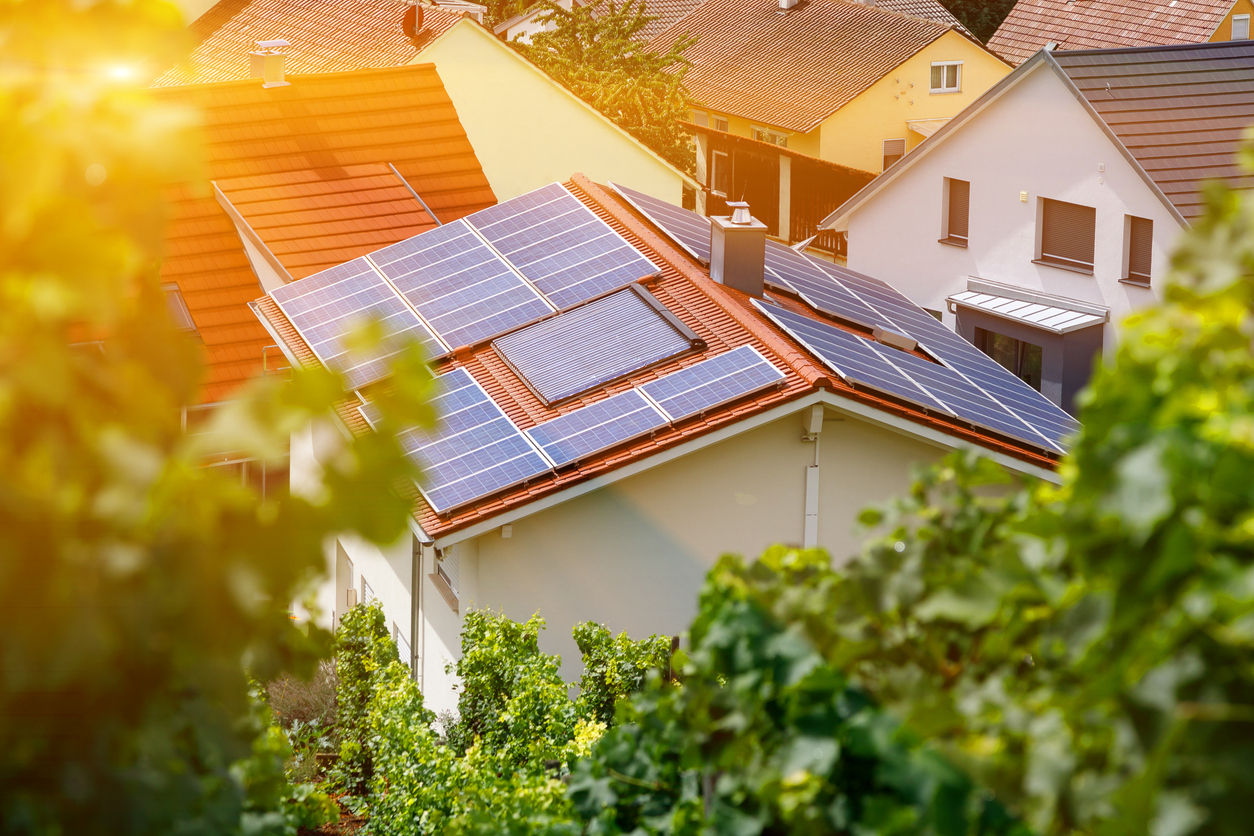
Solar advocates and California utilities have come to a temporary truce after a heated battle over the future of distributed solar regulation. Florida and the Carolinas are home to similar battles but, with the highest penetration of solar power in the country, California exemplifies the novel challenges of an electricity…
-

Technological Innovation: False Hope or Promising Solution to Combating Climate Change?
•
From the wheel in Ancient Mesopotamia to modern artificial intelligence, technology has aided society for thousands of years. The most transformative era came during the Industrial Revolution, when machines allowed humans to produce massive quantities of goods at a fraction of previous costs. The revolution significantly increased living standards and…
-

Cleaner Electric Grid Key to Effective Electrification of Transportation
•
Global efforts to mitigate climate change rely on strategies that dramatically reduce greenhouse gas emissions. The United Nations Environment Programme has assessed that global emissions must drop by 7.6% annually from 2020 through 2030 to achieve the Paris Climate Agreement’s goal of limiting temperature increases to 1.5 degrees Celsius above…
-

The Policy of Delivering Electricity
•
Policymakers, spurred by the use of widespread electrification to achieve low carbon economies, have used varying policy approaches to bring about a more digitized, decentralized, and decarbonized grid. Bringing about a cleaner and smarter electrical system can involve increased engagement and participation of customers in the electricity sector, deployment of…
-
The Energy Demand Crisis Within the Public Health Crisis
•
As COVID-19 spreads around the globe, staying at home has become the easiest and most effective way to save lives. Governments across the world have translated this public health measure into policy by enacting “shelter in place” orders, confining millions to their homes. As a result of these orders, residential…
-

Electric School Buses Are Flipping the Traditional Electricity Model on Its Head
•
From San Francisco to Chicago to Fairfax, Va., electric buses are helping school districts reduce their carbon footprints and protect the lungs of their young riders. Unlike more popular transit options, electric school buses provide great opportunities to reshape the electric grid without disadvantages such as low range or demand…
-

The Future of Conservation in the Amazon Rainforest
•
You have been involved in environmental research and deforestation issues in the Amazon from the earliest stages of interest in this area. What was that like? The Amazon appeared on the radar screen about 25 to 30 years ago as something that Brazilians needed to understand and wanted to learn…
-

Shaky Ground: How the Disposal of Wastewater from Oil Production Increases the Risk of Earthquakes in Oklahoma
•
Since the early 2000s, there has been an increase in the number of earthquakes observed near oil and gas exploration and production sites in the US, particularly in states such as Oklahoma, Arkansas, and Texas. Until recently, details of the relationship between exploration techniques and the observed increase in seismic…
-

Paying Too Much for Energy? The True Costs of Our Energy Choices
•
With less than five percent of the world’s population, the United States consumes about one-fifth (21 percent) of the world’s energy. In a working paper for The Hamilton Project published in 2012, Greenstone and Looney find that the true social cost (private costs on energy bills plus external costs) of energy…
-

Is China ‘Unseating’ the US in the Middle East in a New Energy Landscape?
•
In light of the United States’ reduced need for oil imports, more West African and Latin American producers are competing with China’s traditional Middle Eastern suppliers for market share. The fall in global oil prices, due to increasing supply and slowing demand since mid-2014, has been an economic boon for…