
emissions
-

China Launches its Long-Awaited National Emissions Trading Scheme
•
China just launched a long-awaited national emissions trading scheme (ETS). As the largest current emitter accounting for more than a quarter of world’s total carbon emissions, this move can potentially have major repercussions. The official commitment to the scheme was initiated in 2015 as part of China’s plan to peak…
-

State Regulatory Mechanisms for Increasing Renewable Energy Usage
•
It is no secret that the United States is a major producer of carbon emissions and that policies to curb the emissions of one of the biggest offenders, electricity generation, have not been successful at significantly reducing carbon emissions. However, the physical and regulatory world of energy generation and distribution…
-

The 2008 Beijing Olympic Games: Spillover Effects on Air Quality and Health
•
A study links special government controls on pollution enacted during the 2008 Olympic Games in Beijing to significant increases in air quality and significant decreases in mortality rates associated with cardiovascular and respiratory diseases.
-

Are electric cars more environmentally friendly? It depends where you drive them.
•
The boom in electric car sales, enhanced by federal subsidies, does not reflect the fact that, in some cases, powering those cars produces more emissions than powering conventional cars. The characteristics of each state and regional mode of electricity generation should be considered in designing a subsidy (or tax) scheme.
-
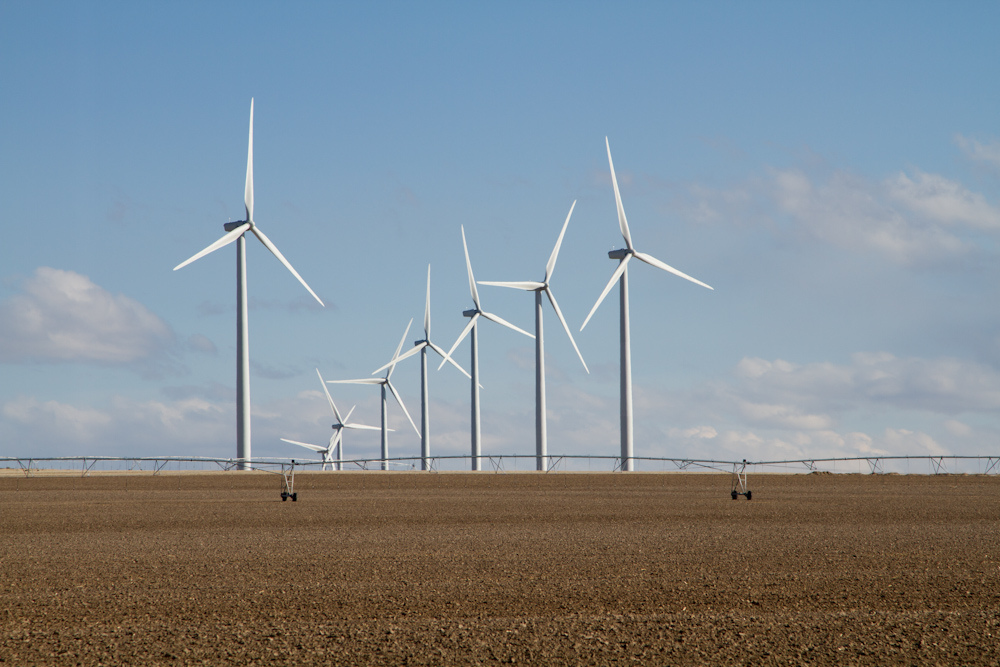
Evaluating the entire cost of renewable energy sources
•
New evidence of a “not in my backyard” attitude, illustrated in a recent study, conflicts with the conception of the inevitability of renewable energy sources as most important future sources of energy.
-

The Cost of Wind Energy: Tradeoffs between Energy Storage and Transmission
•
New research finds that transmission costs must be at least $600/MW-km and energy storage must cost at most $100/kW h in order for wind energy storage to be economical.
-

Paradox of Subsidy: Could Biofuel subsidies be increasing CO2 emissions?
•
A new study finds that biofuel subsidies from 1981-2011 paradoxically may have led to the increase in oil production and greenhouse gas emissions.
-

Developing Efficiency: Why energy efficiency gains in China may not be fully realized
•
The rebound effect, which measures the increased demand for energy from increasing energy efficiency, is found to be strong in Chinese urban residential electricity use.
-

Are Large Cities More Pollution Efficient?
•
New research explores how population size relates to CO2 emissions efficiency.
-
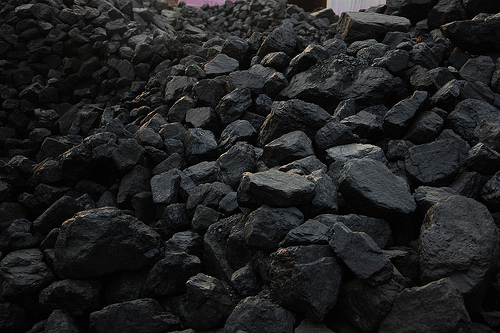
China’s Thirst for Energy
•
China’s insatiable thirst for energy means climate change is inevitable.
-

Reinventing the Internal Combustion Engine
•
Engineers can squeeze more efficiency gains from the old standby, if only policy would inspire them to.