
education policy
-

Who’s in Charge? The Impact of Greater Principal Autonomy on Student Test Scores
•
In a recent article published in Education Finance and Policy, Matthew P. Steinberg examines the impact of greater principal autonomy on student test scores in Chicago.
-
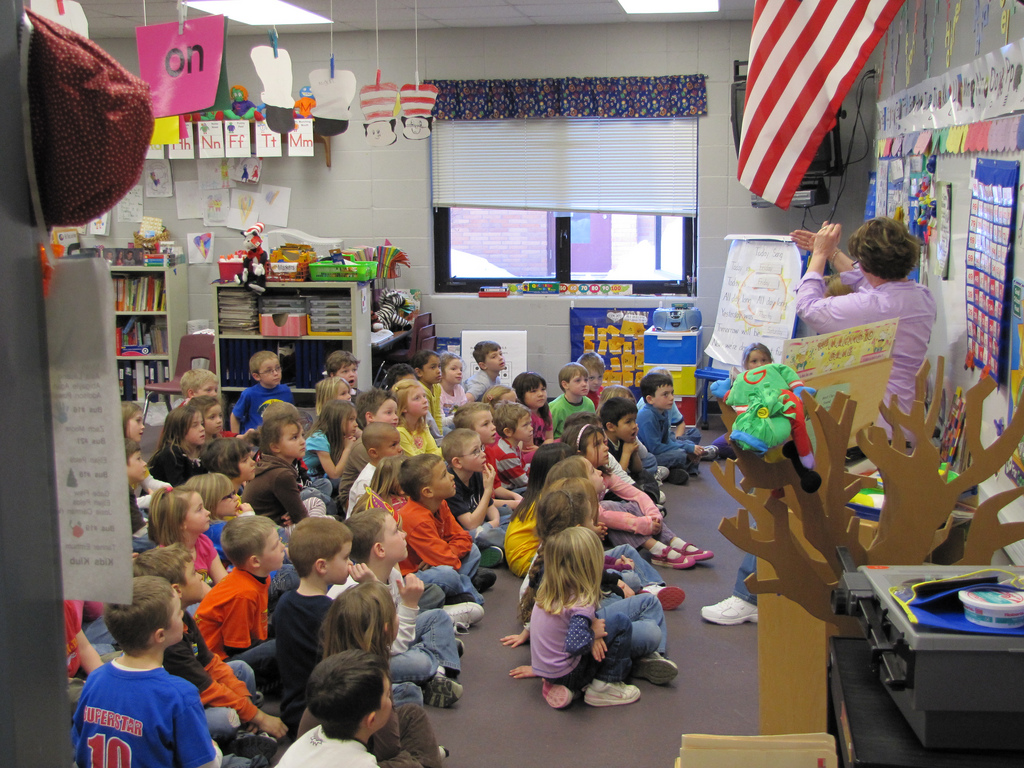
Should No Child Left Behind Be Reauthorized? The Impact of Accountability Pressure on Teachers and Students
•
A recent study in the American Economic Journal is the first to look at the impact of No Child Left Behind incentives on teachers and students nationwide.
-

Buckling Down By Lightening Up: How Humor Can Boost Students’ Persistence
•
In a randomized experiment, students who watched a funny video persisted with a mentally taxing task twice as long as other students.
-

Staying Positive: How Middle Schoolers’ Attitudes About Themselves Influence Academic and Emotional Outcomes
•
For many students, their time spent in middle school is characterized by upheaval and vulnerability. New data, however, suggests that students’ perception of their own intelligence and well-being has a significant impact on their success.
-

Too Much or Not Enough? Rethinking School Breakfast Programs
•
Research suggests that school breakfast programs may be falling short of the goal to provide universal access to a nutritional morning meal and may be contributing to unhealthy amounts of food intake.
-

Beyond the Classroom: How outreach and structure can improve college outcomes
•
New research shows that cost-effective summer counseling interventions that help students through the enrollment process significantly boosted college enrollment and persistence rates.
-
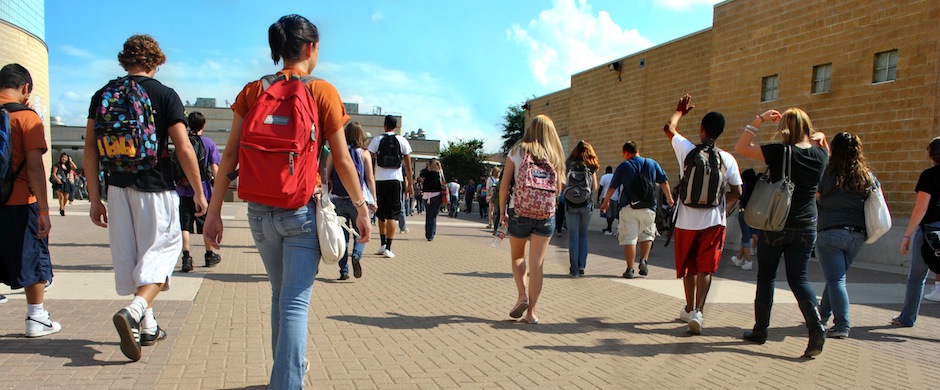
Separate and unequal: Addressing segregation in our nation’s schools
•
In a new paper published in the American Journal of Education, Dr. Genevieve Siegel-Hawley examines the role school district boundaries and desegregation policies play in achieving fully integrated schools.
-

The New Face of Human Capital: An Interview with Emile Cambry Jr. of BLUE1647
•
Emile Cambry Jr., founder of BLUE1647, discusses his revolutionary, community-based approach to workforce development in the digital age.
-

“A” For Attendance: Do Certain Types of Absences Affect Students Differently?
•
Students who miss school intermittently suffer more than students who miss school due to mass disruptions like snow days, suggesting there are more negative effects from poor attendance than just missed instructional time.
-

The Welfare Investment: How Child Sponsorship Is Tied to Future Education and Employment
•
Children participating in an international sponsorship program are more likely to attain higher education and formal employment.
-

Consequences of Juvenile Arrests on Education: How Law and Educational Policies Hurt More than Help
•
Adolescents who are arrested are more likely to drop out of high school and to fail to enroll in a four-year college.