
Economy
-

The National Flood Insurance Program is Unsustainable and Regressive
•
In the ten days between September and October 2024, two catastrophic hurricanes, Helene and Milton, battered the southeastern United States. Insurance claim payouts related to Hurricane Helene are projected to total between six and seven billion dollars. Claims stemming from Hurricane Milton are estimated to increase by 30–50%. As of…
-

The Inequality of Recession
•
The public perceives recessions simply as a sign that the economy is “bad.” However, many policymakers continue to define recessions as “two-quarters of negative gross domestic product.” This outdated definition implies that policy responses could take more than six months to even begin addressing a downturn. The National Bureau of…
-
Argentina Reborn: A Tale of Two Finance Ministers
•
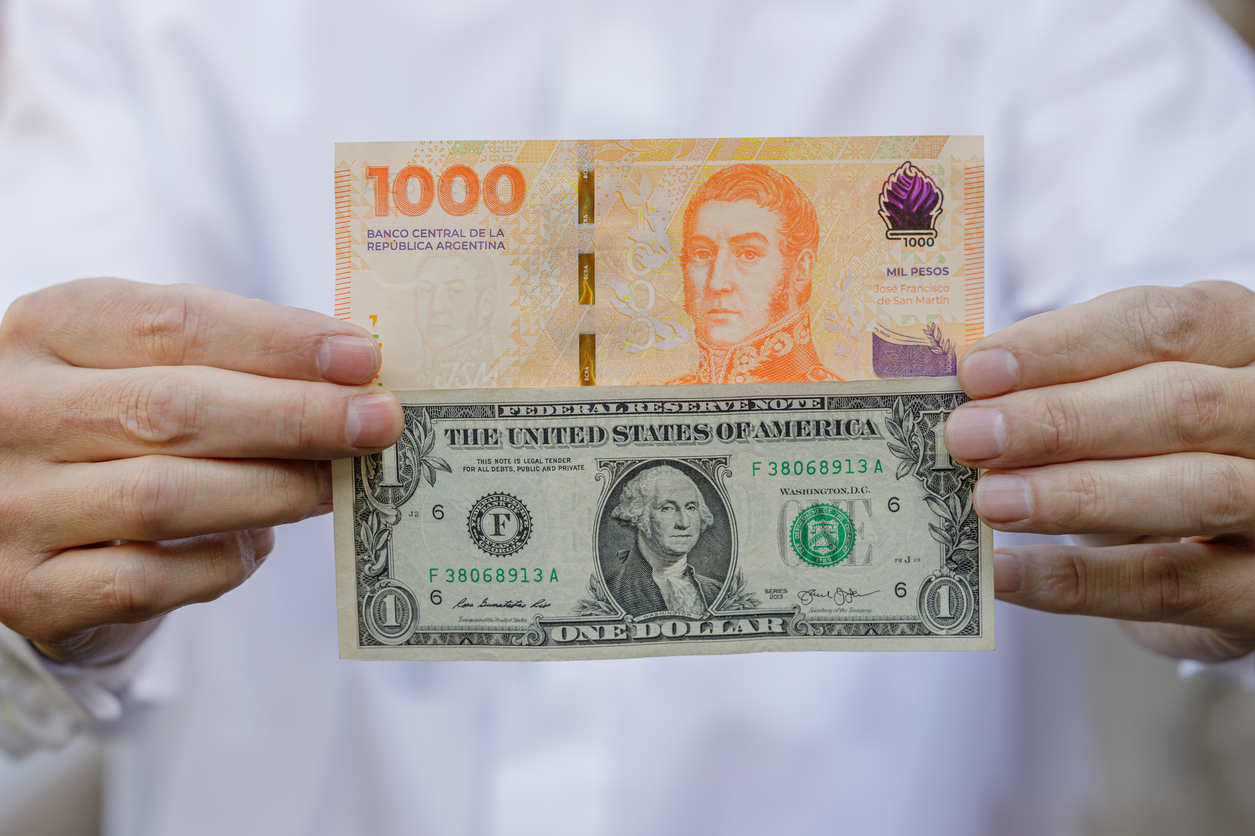
After more than a decade of stagnation, unsustainably high inflation, fiscal irresponsibility, and profound market distortions, Argentina’s newly appointed Minister of Economy forged ahead with an ambitious plan to restore currency stability, trust, and prosperity. This was evident in December 2023, when Minister Luis Caputo announced the wide-ranging reform package…
-

The Economics of a Wealthy Academy
•
There are countless examples of economists disregarding survey data in which a representative sample concludes that the American economy is concerning, generally countering with some favorable economic figure. Although the data can be noisy, metrics poorly calibrated, samples biased, and respondents irrational, there is also the possibility that these two…
-
China’s Economic Woes
•
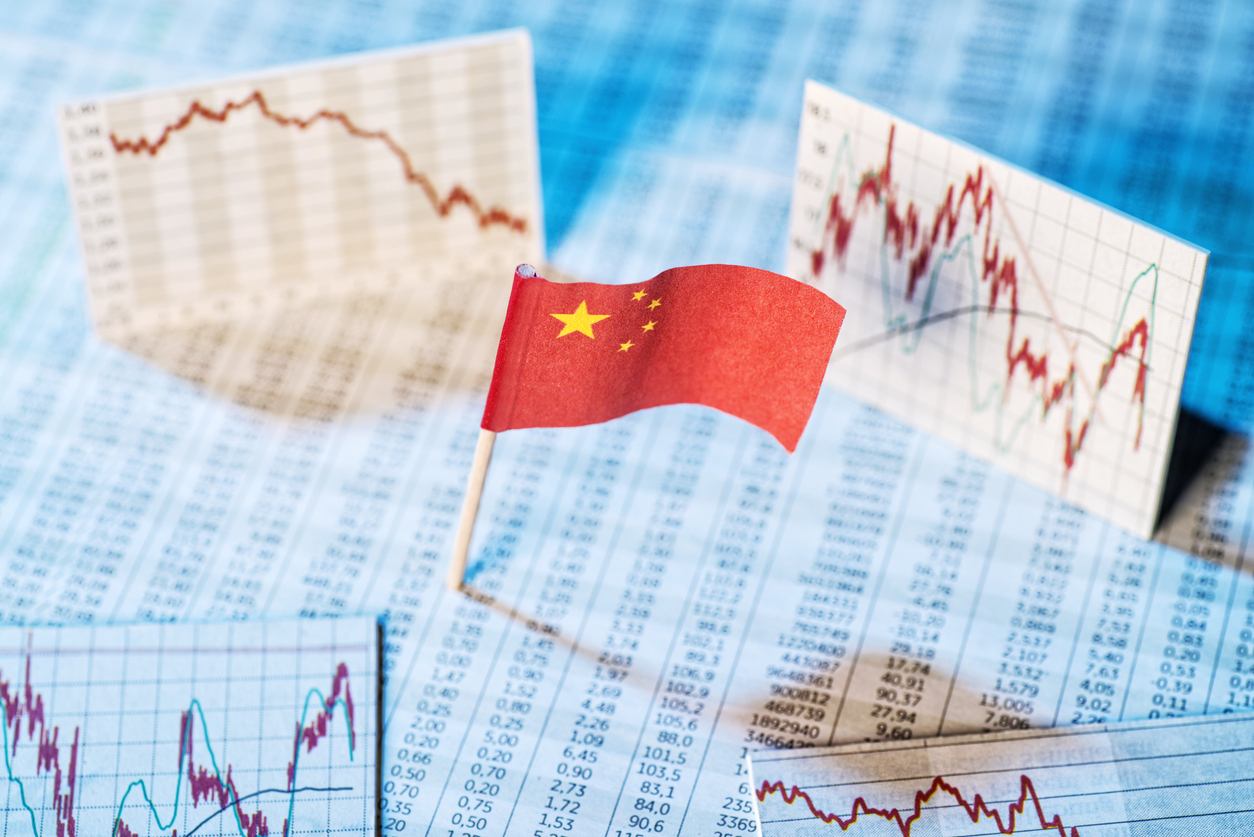
Members of Congress are growing increasingly concerned about economic competition with China. In 2022, President Biden signed the CHIPS and Science Act into law to decrease US reliance on Chinese-made semiconductors. The following year, the president signed another law, the Protecting American Intellectual Property Act, to sanction foreign companies for…
-
The Case for Subsidizing COVID-19 Self-Tests
•
As the world grapples with recurring waves of COVID-19 infections, policymakers are struggling to balance public health considerations with reopening the economy. While their tools are limited until a vaccine is widely available, testing can be an effective method to slow the spread of the virus. Nevertheless, tests may not…
-

Aquaculture May Reduce Rural Poverty, Income Inequality
•
Since 2014, more than half of all fish consumed by humans have been farmed rather than caught in the wild. Aquaculture — which includes the farming of not only fish, but also mollusks, shellfish, algae, seaweed and more — has grown exponentially for decades and has emerged as a major…
-

Higher Savings, Lower Returns: The Unacknowledged Externalities of Financial Innovation
•
New research shows how innovation in finance may increase the aggregate demand for investments over time, yet lower the expected return on assets.
-

Putting a (New) Price Tag on Global Warming
•
A new model suggests that future costs of climate change have been underestimated.
-

China’s Official Unemployment Rate: An Unusual Outlier or a Lie?
•
As a result of mismeasurement, the official unemployment rate series for China is implausible and is an outlier in the distribution of unemployment rates across countries ranked by their stages of development.
-
Using Real Time Data to Forecast Impacts of Financial Crises
•
New research outlines the impact of economic crises in the Post-War Era using real time data.