
Economics of Education Review
-
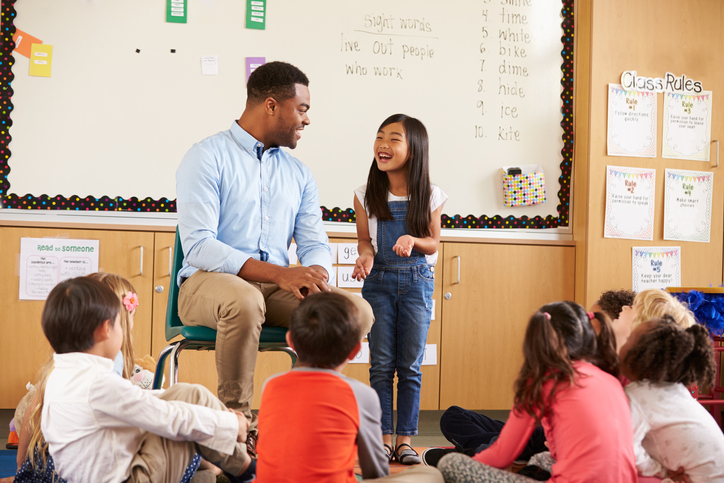
Returning Special Education Students to General Education Classrooms: Effects on Peers’ Reading Scores
•
In most countries, children with special educational needs (SEN) are taught in segregated settings, but some children with SEN eventually return to general education classrooms. This is due to politicians’ increased push for inclusive education, as well as the fact that there is a point at which students with SEN…
-
Competitive Outcomes: Does Increased School Choice Mean Better Schools in the Long Run?
•
As American political rhetoric becomes more and more partisan, debates around public education have become increasingly divisive. From Betsy DeVos’s support for charter schools to nationwide protests by public teachers demanding higher pay, disagreement abounds regarding how best to serve America’s struggling students. In December, New Orleans propelled itself to…
-

Food for Thought: SNAP Distribution and Student Achievement
•
Decades of innovative education reform have focused on how to improve schools, yet academic success is about more than just classrooms and teachers. One factor that may affect student achievement is food stability; researchers and policymakers are asking how a student’s access to nutritional food impacts that student’s success in…
-

Increasing the Demand for Education With Unconditional Cash Transfers
•
Sub-Saharan Africa hosts the majority of the 124 million children not enrolled in school across the globe. Education plays a key role in improving individual and social well-being, but high poverty impedes access to quality education. This cycle of poverty can be broken by reducing the burden of the financial…
-

Teachers’ Unions Improve Student Achievement: Insights from California Charter Schools
•
Over the past several decades, public sector unionization rates have held fairly steady, even as private sector unionization rates have plummeted. Among economists and social scientists, a debate persists as to whether public sector unions serve the public interest. Proponents argue that these unions increase the efficiency of the public…
-

Messages to Parents Can Help Low-Performing Students
•
Weekly, direct messages from teachers to parents significantly reduce low-performing students’ risk of not earning course credit.