
economics
-

The Inequality of Recession
•
The public perceives recessions simply as a sign that the economy is “bad.” However, many policymakers continue to define recessions as “two-quarters of negative gross domestic product.” This outdated definition implies that policy responses could take more than six months to even begin addressing a downturn. The National Bureau of…
-

Crafting Beer Policy: An Interview with Bart Watson, Chief Economist for the Brewers Association (Part 2)
•
In part one of the Chicago Policy Review’s interview with Bart Watson, Chief Economist for the Brewers Association, the Chicago Policy Review’s Will Macheel discussed the role of a beer economist and the history of beer regulation in the United States. While some issues have been a focus of craft…
-

Are We Better Off with Less Social Media? Evidence Says Yes
•
Whether social media is good or bad for us remains a widely contested topic. Research shows that the same social media networks that can increase voter turnout can also leave us feeling lonely and depressed. So how do we really know if social media’s benefits justify its costs? The results of…
-

The Uncertain Economy
•
These are highly uncertain times. In a matter of weeks, the longest economic expansion in U.S. history has become the sharpest recession on record with the first true pandemic recession. Mass death, record declines in GDP, and job losses are foregrounded against the confusing backdrop of a messy presidential election…
-
Record Unemployment is a Policy Choice
•
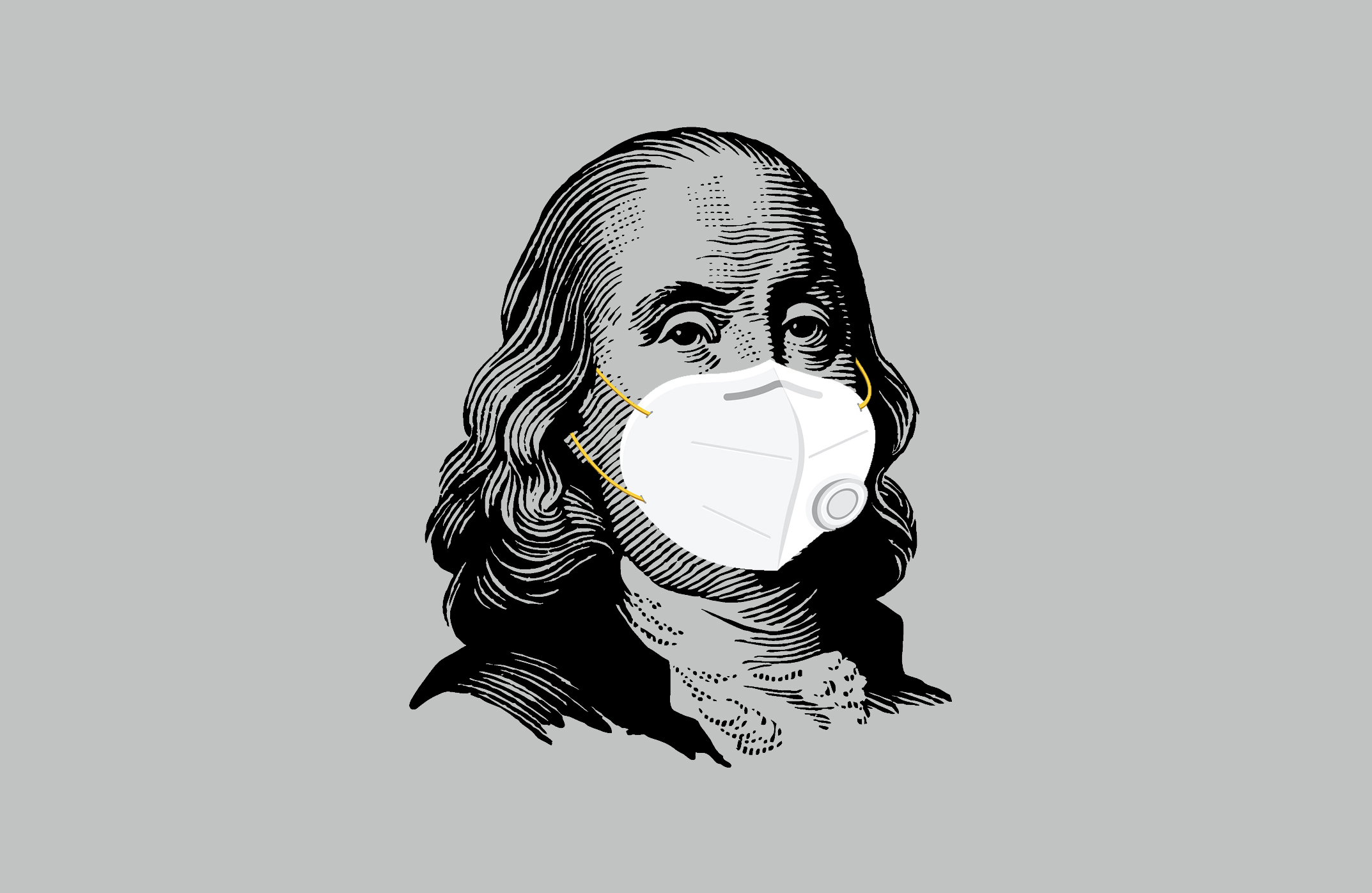
Europe and the United States are pursuing vastly different strategies in response to the economic crisis caused by Covid-19. Structural differences between the US and EU member states’ welfare systems have informed the divergence in government intervention. Throughout most of Europe, central governments are propping up companies by covering their…
-

Minimum Wage in a Pandemic, in 4 Graphs
•
As the economy free falls into a sharp recession [1], many low-income workers have been deemed “essential” during the pandemic [2], which effectively obligates work—notably without any additional federally mandated hazard pay [3]. This basic contrast, along with conversations regarding the presumed distortions of unemployment benefits [4], has dominated much…
-

The Impact of Machine Learning on Economics: What Machine Learning Can (and Cannot) Do for Economic Research
•
Machine learning (ML) is most commonly understood as a set of computational techniques applied to big datasets in order to make granular predictions for businesses, from advertising to fraud detection to user recommendations. Yet another, perhaps less appreciated, application comes from academia, where social scientists have slowly but steadily begun…
-

This Is Why We Nudge: Reaffirming Nobel Winner Richard Thaler’s ‘Nudge’
•
In October 2017, Richard Thaler won the University of Chicago its 29th Nobel Prize in Economic Sciences for his contributions to behavioral economics. Stockholm’s nod to Thaler is less coup than coronation, of both Thaler himself and of the broad applicability and value of behavioral economics as an indispensable discipline,…
-

Immigration and Jobs: David Card’s Influential Study
•
A chief concern of modern policy is the impact of immigrants on natives’ employment prospects. The difficulty for academics attempting to verify these effects is daunting. In the real world, immigrants arrive from and disperse throughout many areas, choosing cities with favorable labor market conditions. Meanwhile, large macroeconomic events also…
-

On Populism: Remarks by Dr. Ernesto Zedillo at the 2017 Latin American Policy Forum
•
Publication Note: These remarks were delivered by Dr. Ernesto Zedillo at the 2017 Latin American Policy Forum, which took place on April 21, 2017 at the University of Chicago. We thank the Harris School of Public Policy, Latin American Matter(s), and Dr. Zedillo for the opportunity to publish this transcript, which…
-

Economists Are Finding a New Perspective on Immigration
•
As recently as twenty years ago, economists taught that as the supply of unskilled labor increased due to immigration, legal or otherwise, the wages and employment of natives would fall as the two groups competed for a fixed number of jobs. This perspective casts immigration as a potential threat to…