
COVID19
-
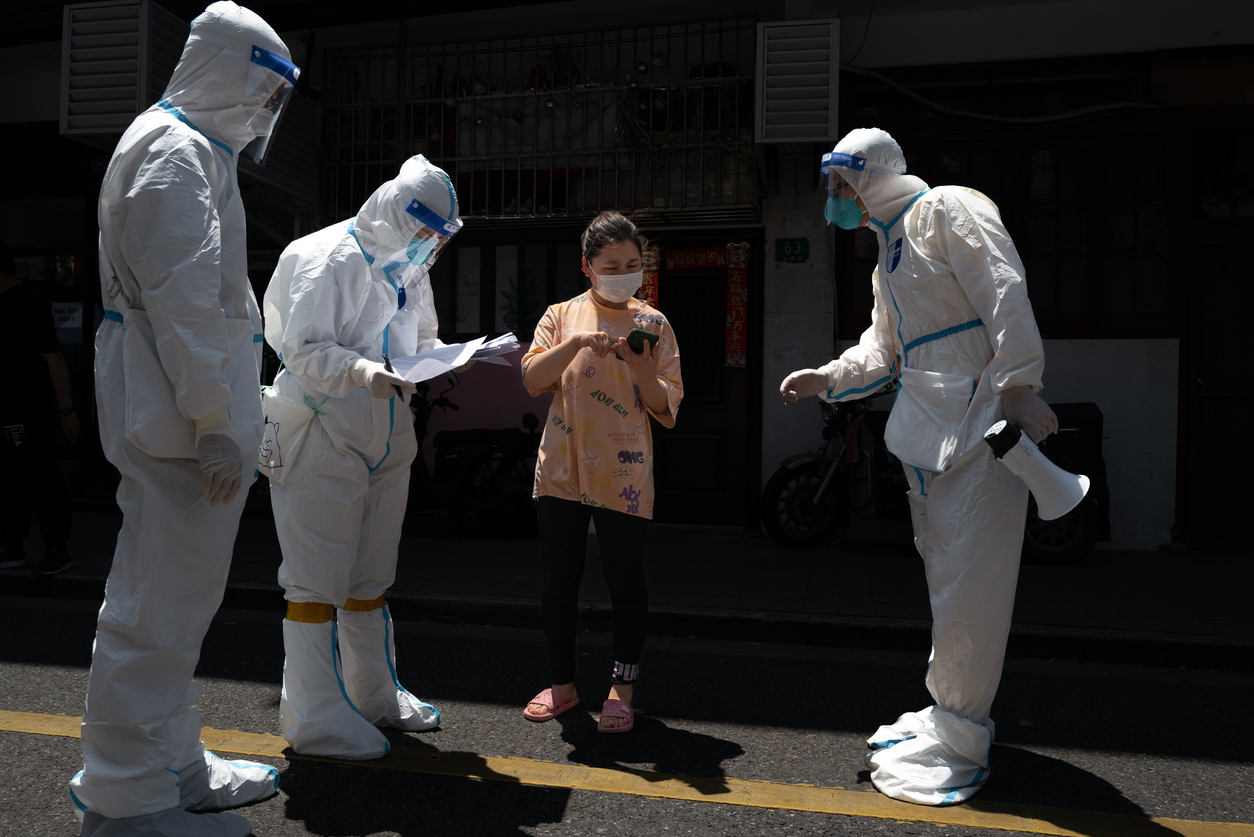
How China’s Zero-Covid Policy Evolved and Failed
•
In December 2022, China abandoned its draconian Zero-COVID policy (also called Dynamic Zero-COVID Policy), a move that was one of the most dramatic shifts in its coronavirus prevention measures. As the world belatedly welcomes China back, it is important to look back at the series of policy changes from the…
-
Try Accuracy Prompts to Reduce the Spread of Misinformation Online
•
The rapid dissemination of inaccurate information––otherwise known as misinformation––within the online news media ecosystem has become a subject of pressing concern. As media consumption habits move increasingly online, the pernicious effects of misinformation on readers’ long-term beliefs are particularly alarming. Research shows that mere exposure to misinformation leads to belief…
-
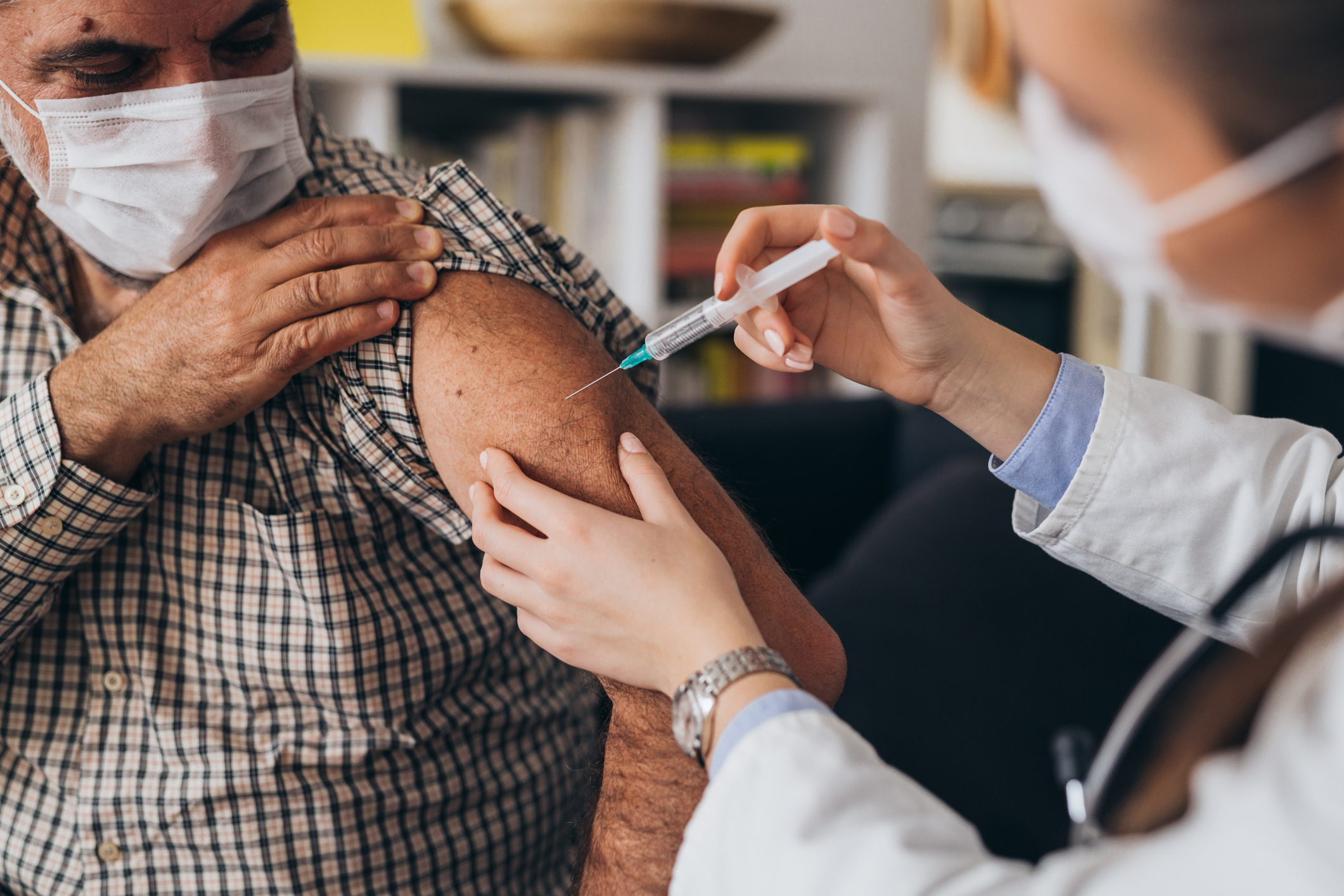
A Better Way to Vaccinate the World: Interview with Professor Michael Kremer
•
Michael Kremer is a development economist and University Professor in Economics at the College and the Harris School of Public Policy, University of Chicago. A 2019 Nobel Laureate in Economics, he joined the University of Chicago in 2020, and has since founded the Development Innovation Lab, a research center which…
-
Remote Learning and the Widening K-12 Achievement Gap
•
As we pass the anniversary of the first round of lockdowns, Americans are longing for a return to normalcy. With COVID-19 numbers decreasing due to increased testing and vaccine distribution, schools nationwide have begun the process of returning teachers and students to the classroom. Many schools have returned to a hybrid model of teaching,…
-

Why Pandemics Don’t Always Increase Food Insecurity
•
Basic economic theory says that public health lockdowns, such as the ones being imposed during the COVID-19 pandemic, are likely to raise food prices and aggravate food insecurities in vulnerable communities. The resulting decline in market activity and the interruption of supply chains are expected to decrease household income —…
-
The Case for Subsidizing COVID-19 Self-Tests
•
As the world grapples with recurring waves of COVID-19 infections, policymakers are struggling to balance public health considerations with reopening the economy. While their tools are limited until a vaccine is widely available, testing can be an effective method to slow the spread of the virus. Nevertheless, tests may not…
-

How COVID-19 Could Reshape International Security Policy
•
After the end of World War II, a network of international organizations was created to deal with what they determined at that time to be the biggest threats to global political stability. The North Atlantic Treaty Organization (NATO) was established in 1949 as a means to protect member states from…
-

The CARES Act Offered a Radical Experiment in Cash Transfers. Here’s What We Learned.
•
In March, as the world stared into a financial and epidemiological abyss, Congress acted more swiftly and dramatically to save the U.S. economy than during any crisis in American history. The CARES Act—signed into law by President Trump on March 27 after facing virtually no resistance in the House or…
-
The Privacy Concerns of Contact Tracing
•
Social distancing. What about digital distancing? How private are digital handshakes? The spread of coronavirus has prompted government officials across the world to use technology to monitor infected individuals’ contacts. The result: digital contact tracing using a smartphone app. The costs: privacy, identity, and possibly more. Nations throughout the world…