
conflict resolution
-
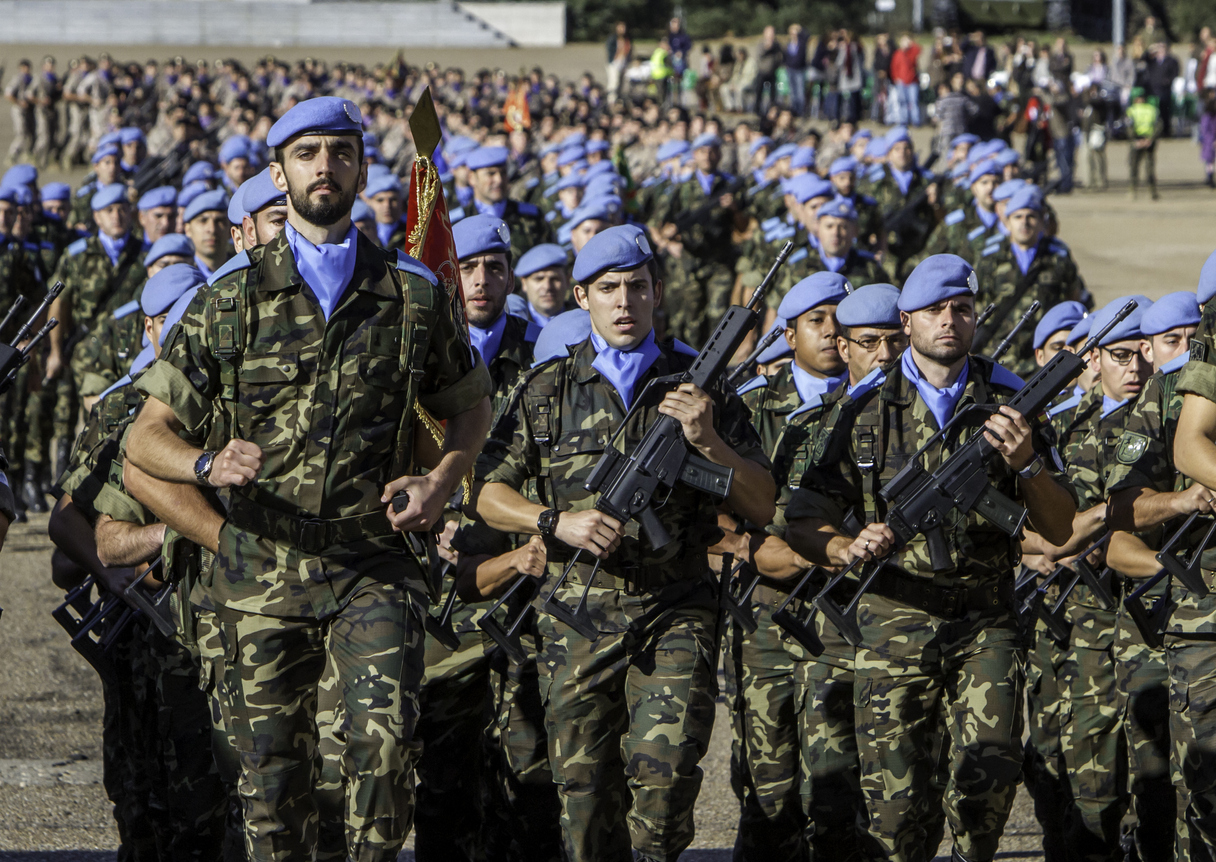
Peacekeepers Cannot Stop State Violence
•
The international community deploys UN peacekeeping missions to conflict zones to stop violence, protect civilians, and engage in peacekeeping negotiations. UN peacekeeping operations are the cornerstone of post-conflict reconstruction in war torn regions and peacekeepers are increasingly deployed to ongoing conflict zones to mitigate violence on and off the battlefield.…
-

A Ceasefire that Backfired: Examining the Increase in the Killing of Social Leaders in Colombia
•
Negotiating peace is difficult. However, an equally difficult challenge arises when implementing peace where multiple non-state actors compete for territorial dominance. In “Killing Social Leaders for Territorial Control: The Unintended Consequences of Peace,” economists Mounu Prem, Andrés Rivera, Dario Romero and Juan Vargas found that an increase in the homicides…
-
Understanding Political Polarization: Perceived Threat and Conflict Attitudes
•
Recent election results around the world reflect political polarization that is straining the fabric of democracy. Voting patterns indicate a preference for authoritarian leaders who promise closed borders and promote nationalism as an ideal. In a world where immigration is rising, it is important to understand both the resulting policy…
-

Rivalry among Criminal Organizations Is One of the Most Serious Threats to Free Press in Mexico
•
A study notes that the presence of profitable criminal organizations does not necessarily lead to higher levels of violence towards journalists, but rivalry among competing organizations does.
-
How do Urban African American Youth Respond to Life Event Stress?
•
Research shows that certain adverse events in the lives of urban African American youth are associated with certain types of behavioral issues, and some coping strategies have varying, gender-based levels of effectiveness.