
Cities
-

Addressing Constrained Housing Supply: Evidence on New Market-Rate Housing
•
It’s no secret that the United States has a housing affordability problem. The high cost of living in major cities stems from a shortage of available units. High rents burden low- to moderate-income families. The larger percentage of a household’s income goes to rent, the less a household can afford…
-

Participatory Budgeting for a Stronger City
•
Budgets are the new battlegrounds. While cities debate how to spend unprecedented amounts of federal relief funds and activists demand reallocation of police budgets to social services, decisions about how to allocate public dollars are drawing increased public scrutiny. It’s often said that budgets are moral documents that display a…
-

Who Participates in Small-Scale Urban Agriculture? And Why?
•
As urbanization increases across the globe, it is important for policymakers and local leaders to ensure that urban residents find affordable, sustainable produce that positively impacts local and global ecosystems. One solution is community gardening and private at-home gardens, otherwise known as “small-scale urban agriculture.” Community gardens are often run…
-

How Cities Can Model Transit Equity
•
Millions of people in cities worldwide lack sufficient access to public transit. In the United States, many live in transit deserts, where the demand for transit outweighs supply. Inadequate transit access may limit employment and educational opportunities for residents and is an ongoing issue for legislators. A new framework may…
-

How Does Pollen Affect Criminal Activity?
•
A simple model of crime suggests that a criminal will act when the benefits of committing the crime outweigh the costs. The benefits might include anything from financial gain to emotional release. The costs are also wide-ranging — from the obvious legal punishments to the more subtle ways in which…
-
Tech Employment Drives Increased Wages…Just Like Other High-Paying Jobs
•
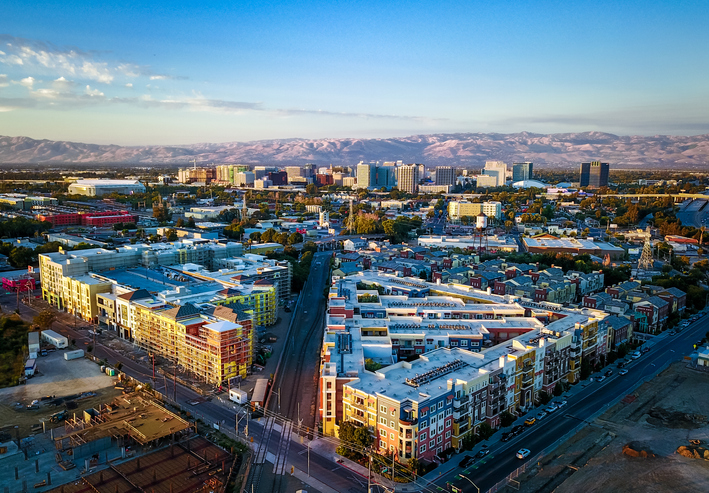
When Amazon started looking for a home for its second headquarters (“HQ2”), cities across North America vied to be selected. They offered tax breaks and other incentives, seeking the prestige of a high-profile corporate headquarters and the promise of economic stimulation. Proponents of a tech influx argued that higher tech-sector…
-

Global Insect Decline Linked to Light Pollution
•
Artificial light may be devastating populations of insects, including species that provide crucial support for human agricultural systems. In a recent article published in the Annals of Applied Biology, researchers examined the effects of light pollution on insects. Artificial light increases environmental pressures faced by insects, the study concluded, and…
-

District of Change: Gentrification and Demographic Trends in Washington, D.C.
•
This piece, first published on July 23, 2014, is being republished as part of the Chicago Policy Review‘s 20th Anniversary Series. Please visit us here to learn more about the series from our Executive Editors. No discussion on urban revitalization is complete without addressing the issue of gentrification. This byproduct of redevelopment has proven to be…
-

Technology as an Urban Solution to Economic Decline
•
Research shows that US cities recover more quickly from economic crises when they possess a workforce with a technologically diverse knowledge base that can be readily applied to related areas.
-

Big Data in the Big City
•
The era of “big” data in public policy has begun. In order to boost the value of survey data for urban use, researchers must make choices comparable and compatible with personal experiences.
-

Citizenship: An Urban Asset
•
Researchers at the Urban Institute find compelling economic benefits of naturalization for eligible immigrants and the cities in which they live.