
Catherine Crisp
-
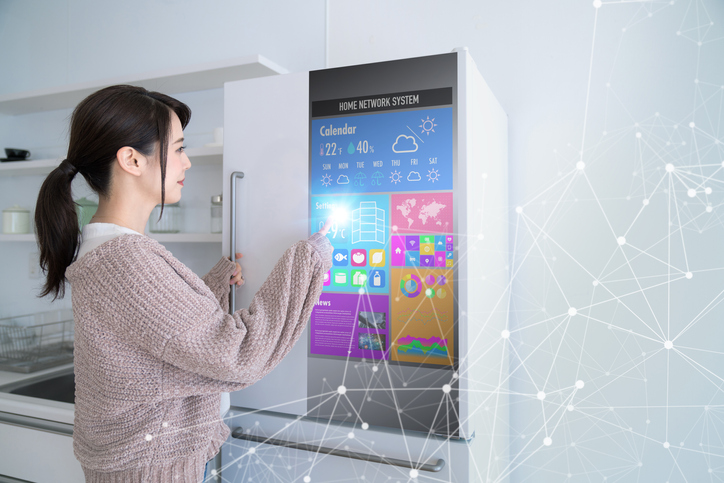
How Can Policymakers Increase the Adoption of Smart Home Technologies?
•
Smart homes are a critical component of the developing smart energy grid. Smart home technologies make it easier for homeowners to reduce their energy consumption, and these features alleviate stress on the grid during periods of high electricity demand. As such, the adoption of smart home technologies has become a…
-

Solar Inverters: Recommendations for achieving 100 percent renewable energy and maintaining grid reliability
•
In recent years, over 100 cities have committed to transitioning to 100 percent renewable energy by 2035. Two states, Hawaii and California, have also adopted 100 percent renewable energy goals, which they aim to achieve by 2045. As cities and states move towards meeting these commitments, electric utility companies are…
-
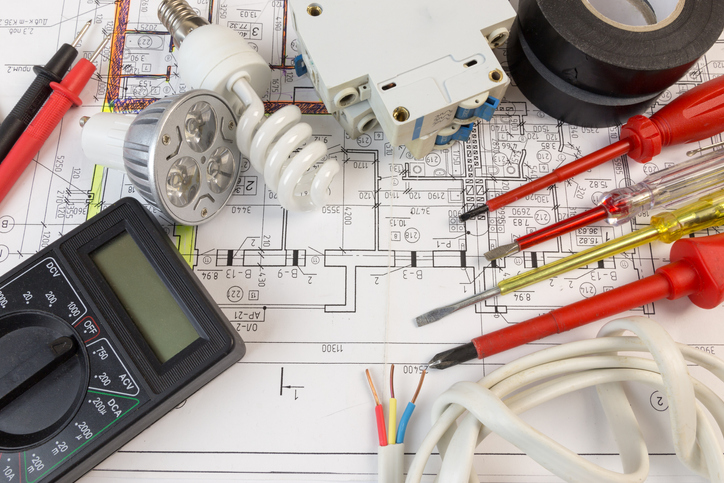
Integrated Systems Retrofits: A Strategy for Optimizing Building Energy Use
•
Approximately 40 percent of all carbon emissions in the U.S. are produced by buildings, with most coming from commercial and residential buildings. These buildings are significant contributors to total electricity consumption and greenhouse gas emissions in the U.S. Retrofit projects provide opportunities for existing buildings to correct their negative environmental…
-
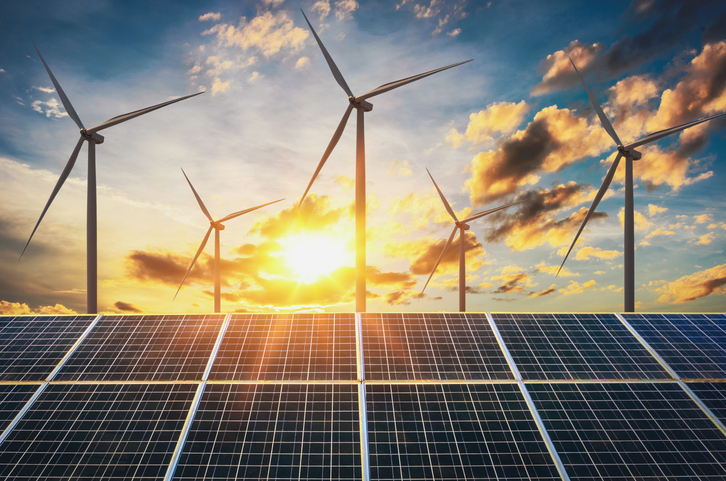
Increasing the value of energy storage in the wholesale electricity market
•
The proliferation of renewable energy such as wind and solar power is rapidly changing the United States’ electrical grid. The growth of renewables has created a need for flexible resources capable of responding quickly to variability in electrical generation—a challenging characteristic of solar and wind power, but one that can…