
carbon
-
China’s Coal Relapse – Is It Here to Stay?
•
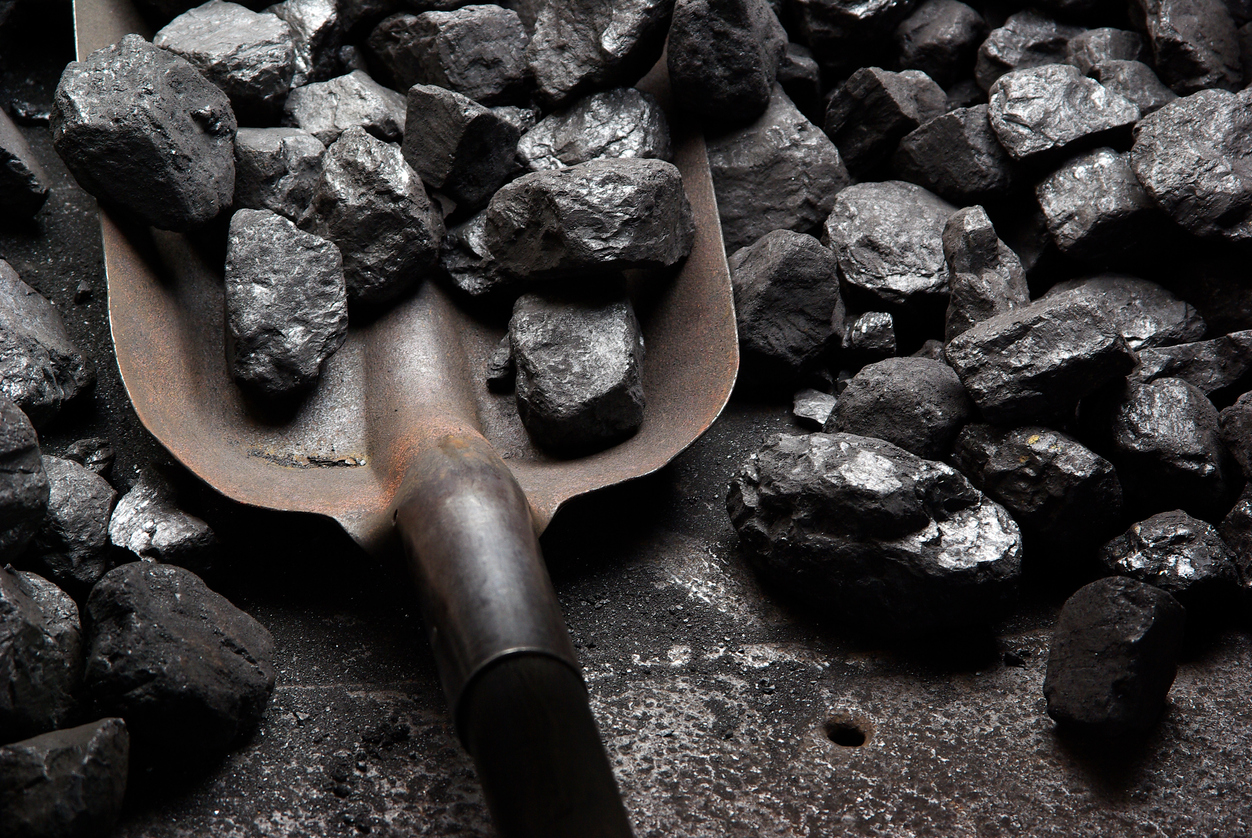
Ran Cheng is an MPP candidate at the Harris School of Public Policy. China is indulging in coal again. It built 38.4GW of new coal-fired power installations in 2020, three times as much as the rest of the world. The expansion continued in 2021 and early 2022. Given China’s proposed…
-
China Launches its Long-Awaited National Emissions Trading Scheme
•
China just launched a long-awaited national emissions trading scheme (ETS). As the largest current emitter accounting for more than a quarter of world’s total carbon emissions, this move can potentially have major repercussions. The official commitment to the scheme was initiated in 2015 as part of China’s plan to peak…
-
Permafrost Thaw and Backwards Arctic Incentives Could Add Trillions to Climate Costs
•
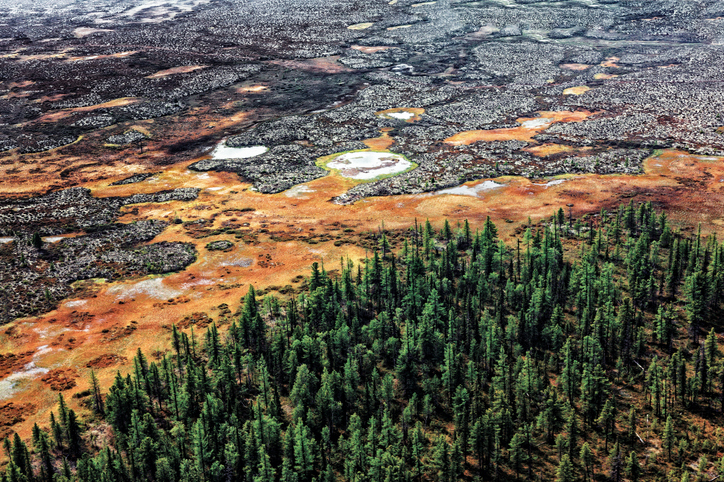
Surrounding the Arctic Ocean, lying along a nearly continuous 10,000 mile (16,000 km) ring of inhospitable tundra, one of Earth’s most important environmental assets is beginning to collapse. Permafrost — perennially frozen soil and rock — may not look like much, but estimates suggest that vast tracts of icy ground…
-

Paying Too Much for Energy? The True Costs of Our Energy Choices
•
With less than five percent of the world’s population, the United States consumes about one-fifth (21 percent) of the world’s energy. In a working paper for The Hamilton Project published in 2012, Greenstone and Looney find that the true social cost (private costs on energy bills plus external costs) of energy…
-

Putting a (New) Price Tag on Global Warming
•
A new model suggests that future costs of climate change have been underestimated.
-

Buy One, Get One: Air Quality Co-Benefits of US Carbon Policies
•
Co-benefits from improved air quality can offset some if not all of the near-term costs of carbon-reduction policies. If the US commits to buying a carbon policy, citizens will also get reduced air pollution and improved health for free.
-

Failure to Launch: New York City and Congestion Pricing
•
New York’s failed plan for congestion pricing has lessons for policymakers everywhere.
-
FITs and Starts: Getting Renewable Power to the Grid
•
A researcher evaluates two lesser-known methods to spur renewable energy production. He finds them wanting.
-

What’s That Burger Emitting?
•
The business of food is bad for the planet. But the problem isn’t just a first-world one.
-
More Palatable and Less Effective
•
GDP-linked carbon intensity targets lure wary parties to the climate negotiating table. But are these targets any more than a tease?
-

Keystone Confusion: A Crude Mix of Policy and Politics
•
An energy policy analyst walks us through the muck on the Keystone Pipeline.