
behavioral economics
-

Human Behavior in the Presence of Wildfire Smoke: New Methods Reveal Differences in Group Responses
•
There is a growing awareness about the harmful effects of wildfire smoke and how those effects vary across socioeconomic groups. A new study by Berke et al. in Nature Human Behaviour suggests that differences in groups’ behavior, influenced by socioeconomic realities, may help explain why disadvantaged groups are disproportionately impacted…
-

Do the Ends of Nudge Policy Justify the Means?
•
What difference can a suggested contribution make for your retirement? In 2016, the United States’ “Thrift Savings Plan” included a recommended contribution rate, or ‘anchor rate,’ in its email messaging to the plan’s participants. This relatively low-cost nudge policy led to more than $1 million in new contributions in one…
-

This Is Why We Nudge: Reaffirming Nobel Winner Richard Thaler’s ‘Nudge’
•
In October 2017, Richard Thaler won the University of Chicago its 29th Nobel Prize in Economic Sciences for his contributions to behavioral economics. Stockholm’s nod to Thaler is less coup than coronation, of both Thaler himself and of the broad applicability and value of behavioral economics as an indispensable discipline,…
-
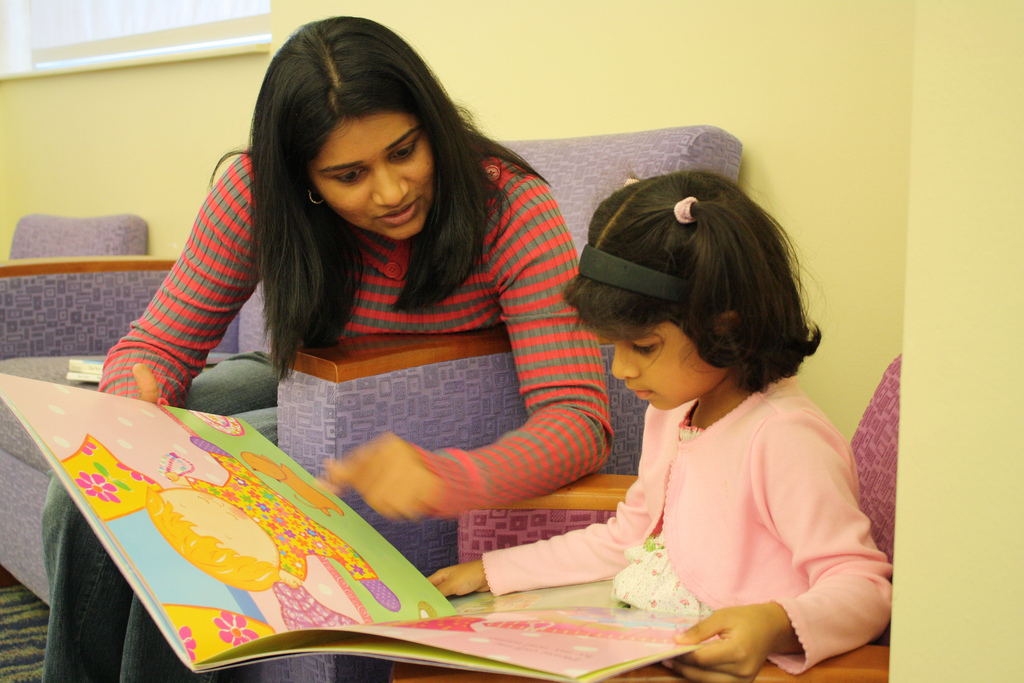
Behaviorally Informed Interventions Show Promise in Increasing Parental Engagement
•
Despite their best intentions, low-income parents often fall behind on important educational goals, such as reading regularly to their children, because of more immediate concerns. New research from the Behavioral Insights and Parenting Lab at the University of Chicago deploys insights from behavioral science to close the gap between parents’…
-
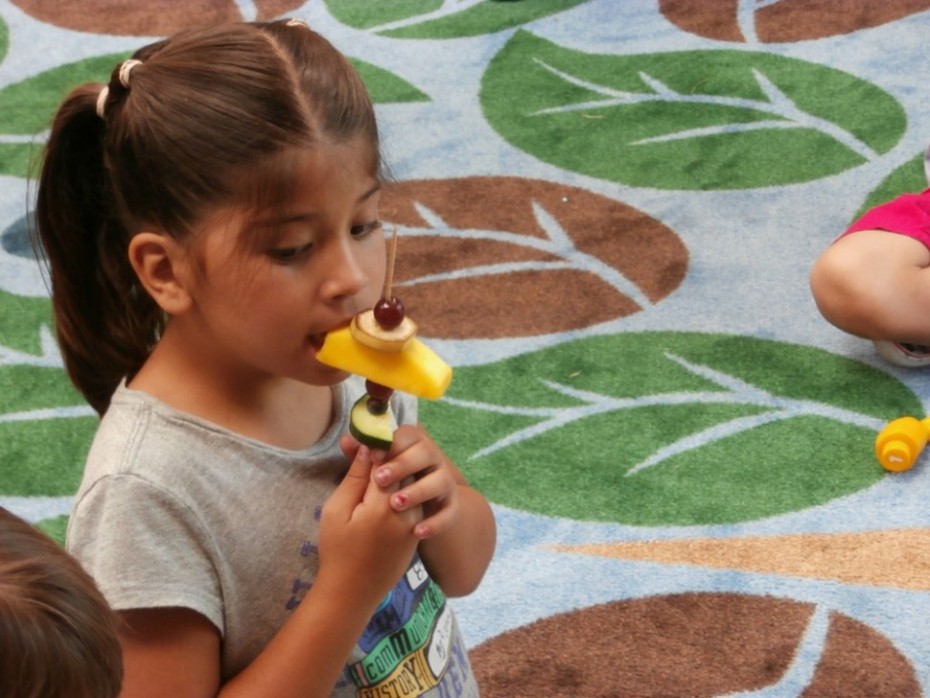
Can Behavioral Economists Nudge Young Hands Out of the Cookie Jar?
•
Using incentives to influence children’s food choices may have an impact that extends beyond a one-time choice. Leveraging behavioral economic techniques, like incentives, could help encourage children to choose and consume healthier foods.
-

Changing Parental Behavior One Nudge at a Time
•
University of Chicago Developmental Psychologist Ariel Kalil discusses the use of behavioral economics in parenting interventions, research on preschool, and challenges in the field of early childhood education.