
American Economic Journal
-

In Small-Business Lending, Technology Hasn’t Replaced Face-to-Face Contact
•
Technological advances in information processing have dramatically transformed consumer banking. Americans today can apply for home mortgages, credit cards and bank accounts without ever stepping foot in a bank branch. Indeed, these advances have rendered the local bank branch obsolete for many, with in-branch visits accounting for only a small…
-

New Evidence on the Effectiveness of Early Interventions for Children With Lead Poisoning
•
Early childhood lead poisoning has been linked to detrimental effects on cognition, academic performance, IQ, high school graduation, and even adult earnings. In many countries, laws prohibiting the use of leaded gasoline have reduced lead exposure, but many children continue to be exposed to lead from deteriorating paint in older…
-

Building Better Housing Vouchers Without Breaking the Bank
•
The U.S. Department of Housing and Urban Development’s (HUD) Housing Choice Voucher Program (Section 8) is designed to help low-income families, as well as the elderly and disabled, cover the cost of “decent, safe, and sanitary housing.” Participants pay a fraction of their net household income for rent, with a…
-
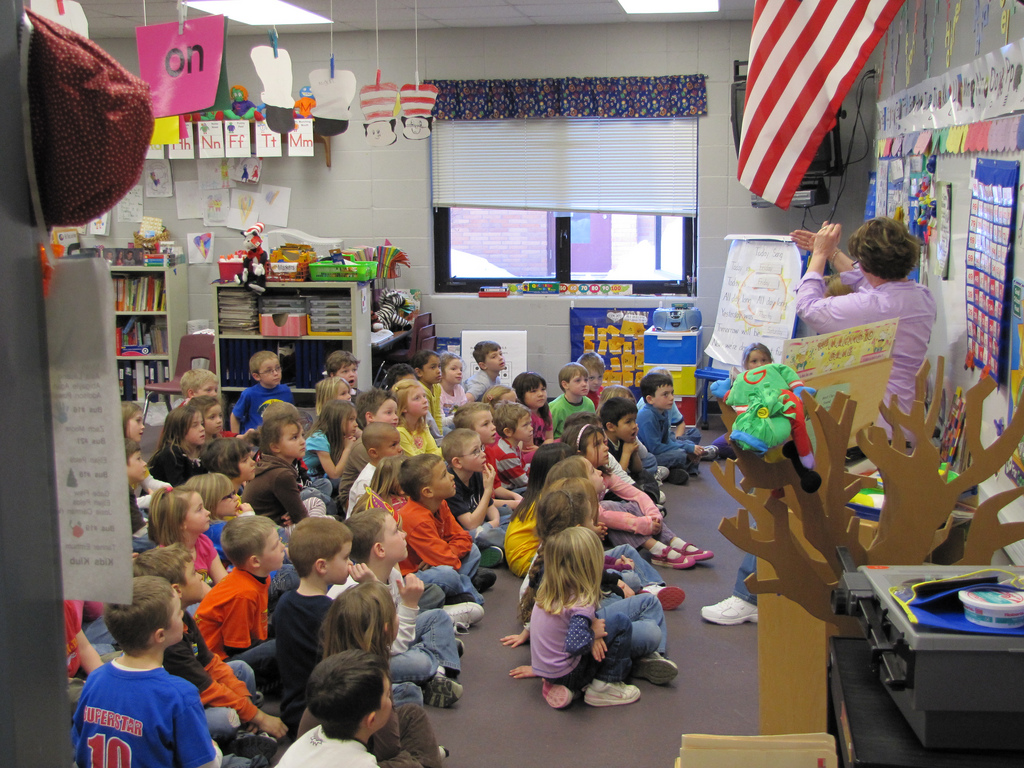
Should No Child Left Behind Be Reauthorized? The Impact of Accountability Pressure on Teachers and Students
•
A recent study in the American Economic Journal is the first to look at the impact of No Child Left Behind incentives on teachers and students nationwide.
-

Incarceration and Deterrence: Do Sentence Enhancements Prevent Crime?
•
Research finds evidence that sentence enhancements not only keep criminals off the streets, but also keep them from becoming criminals in the first place.