
Africa
-

Rwanda’s Clean Cooking Challenge: Can Community Action Make the Difference?
•
Asteria’s hands tremble as she strikes a match, the small flame flickering before catching onto the lump of charcoal. Her youngest daughter, Keza, stands nearby, rubbing her eyes and coughing as the smoke curls toward the low roof of their kitchen. Asteria has been cooking this way for as long…
-
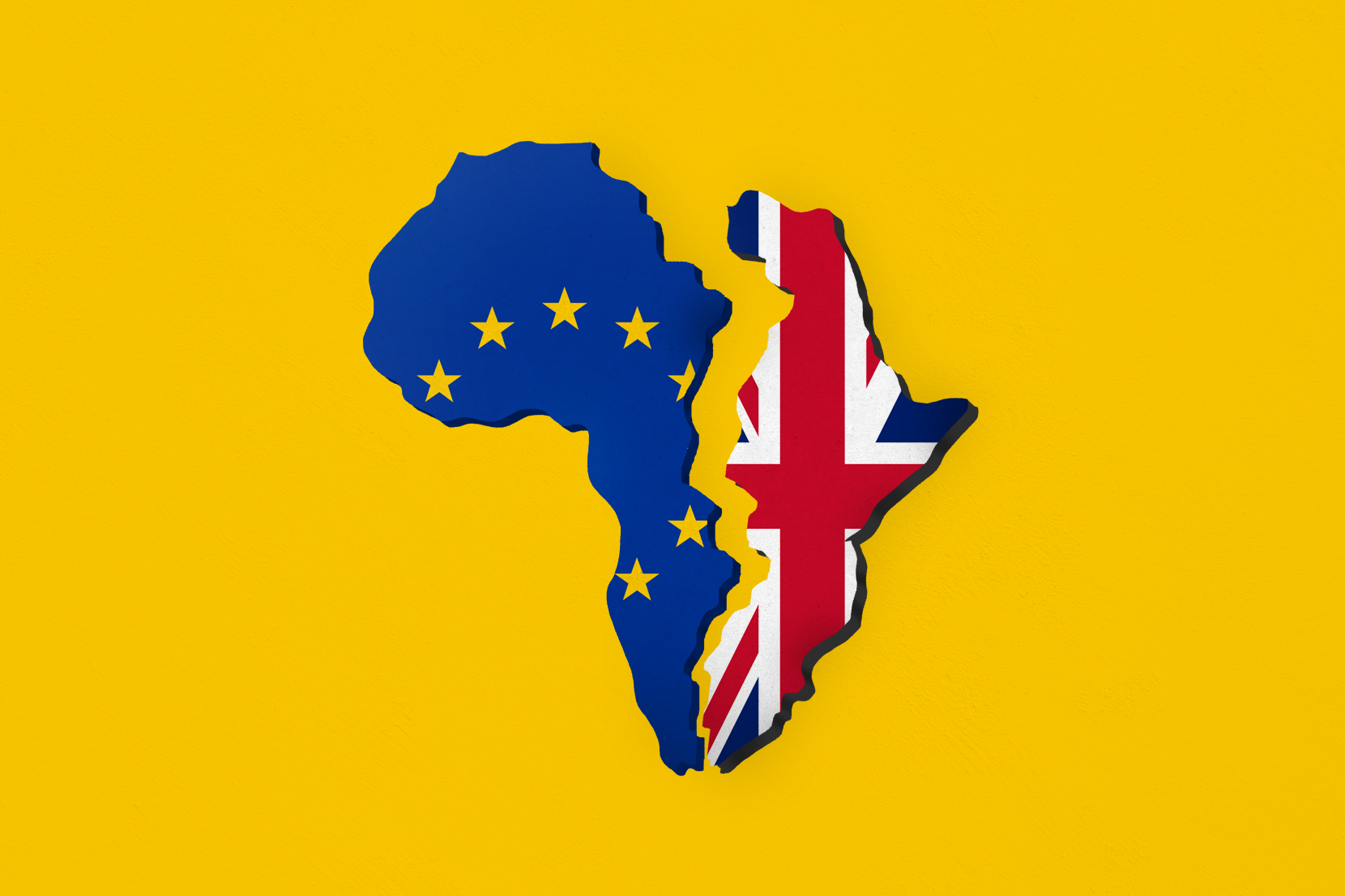
What Does Brexit Mean for Africa?
•
On June 23, 2016, the British people voted in a referendum to withdraw from the European Union — a historic move that is still being processed today. “Brexit” not only impacts the United Kingdom’s relationship with the European Union, but also the rest of the world’s trade agreements with Britain.…
-
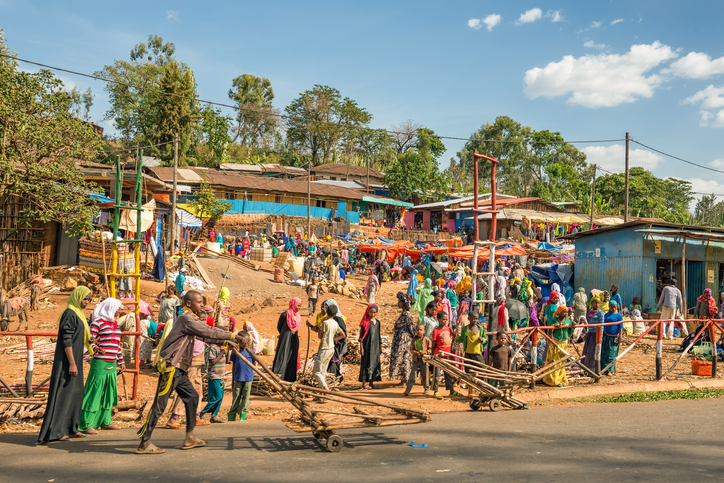
How Decentralization and International Aid Reduce Inequality in Ethiopia
•
In 2017, foreign aid from official donors totaled over $146.6 billion. The bulk of this aid went to decentralizing or decentralized countries, in which regional or local governments are granted powers and resources. Localized governments are believed to be more accountable to voters because they are “downward-looking” and need to…
-

The Role of Climate Change in Africa’s Urbanization
•
Globalization and structural changes in African economies are contributing to rapid urbanization—with 50 percent of the population predicted to live in urban areas by 2030, compared to 36 percent in 2010. Simultaneously, climate change is projected to have significant impacts on the African landscape with decreased precipitation, increased aridity, and…
-

Not Just Their Problem: Roger Thurow Explains Why We Have All Been Missing Opportunities in African Agriculture
•
Roger Thurow has served as a senior fellow on the global food and agriculture team at the Chicago Council on Global Affairs since January 2010. Before joining the Council, he reported for the Wall Street Journal where he wrote a series of stories on famine in Africa that was a…
-

The Role of Economic Independence in Domestic Violence: Evidence from Africa
•
Violence against women has long been and continues to be a widespread social problem across the globe. Statistics from UN Women—an United Nations entity dedicated to the empowerment of women—show that 35 percent of women worldwide have experienced either sexual violence by a non-partner or physical and/or sexual intimate partner…
-

An Intergenerational Analysis of the Impact of War on Child Soldiers
•
Evidence suggests that a one-standard deviation change in the depression and anxiety levels of caregivers is associated with a 0.43-standard deviation change in the negative internalization of symptoms among youth in their care.
-
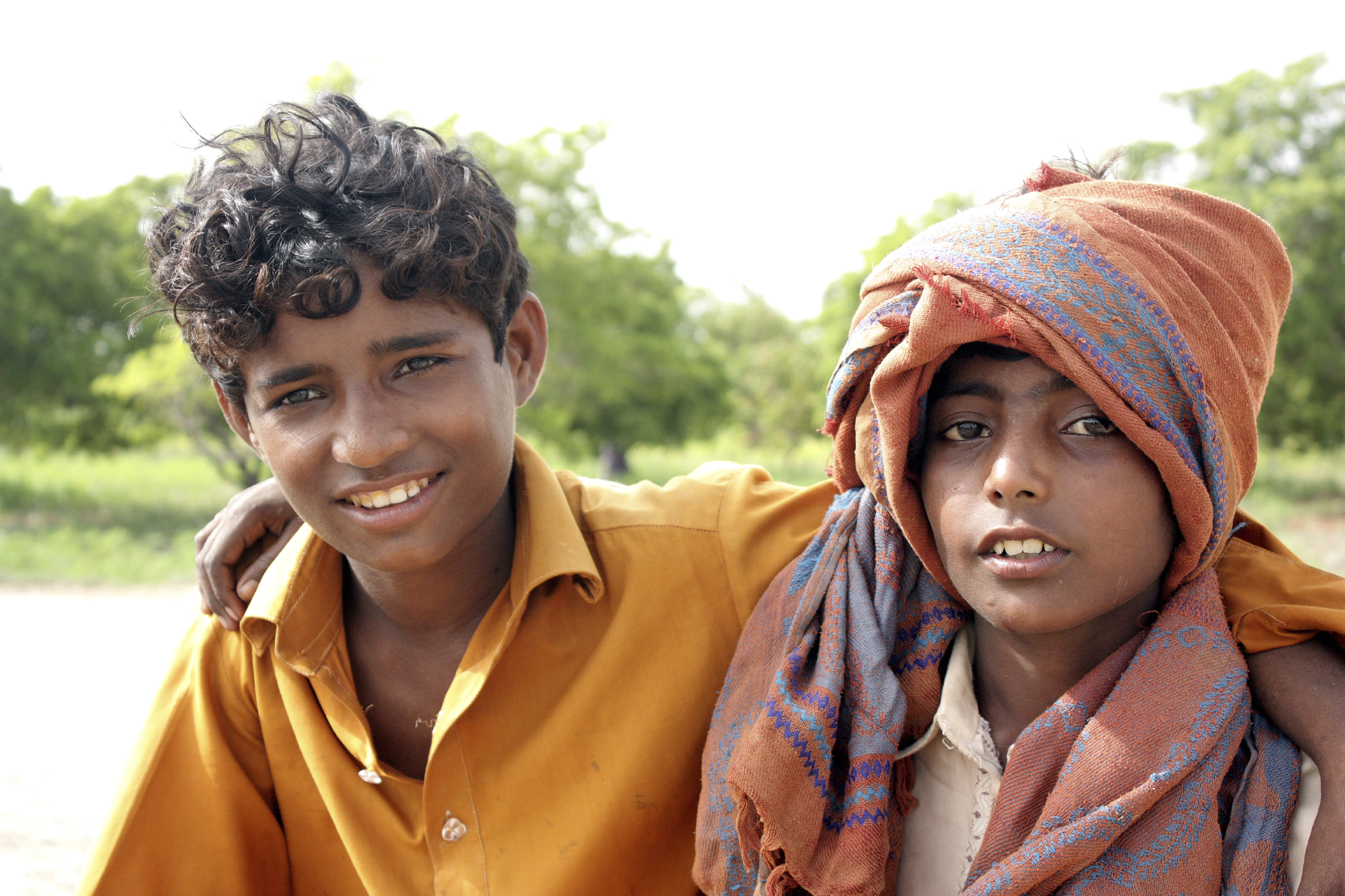
The Economic Role of Refugees: Evidence from Sub-Saharan Africa
•
The massive inflow of refugees in Europe has received unprecedented attention from the media, international agencies, and policymakers, and has generated an intense debate over adequate policy responses. However, refugees in Europe make up a fraction of the world’s forced migrations. According to the UN Refugee Agency, 86 percent of…
-

Ebola’s Devastation: On the Ground in Liberia
•
Aid worker Nina Goricar gives an eye-witness account of the Ebola quarantine in Monrovia, what’s missing from mainstream media coverage, and the effect of the crisis on Liberia’s basic health care and civic institutions.
-

Into Sub-Saharan Africa: Spillover Effects of China’s Economic Boom Through Trade
•
China’s domestic investment activities prove as strong stimulus to direct trade expansion for its partners in Africa.
-
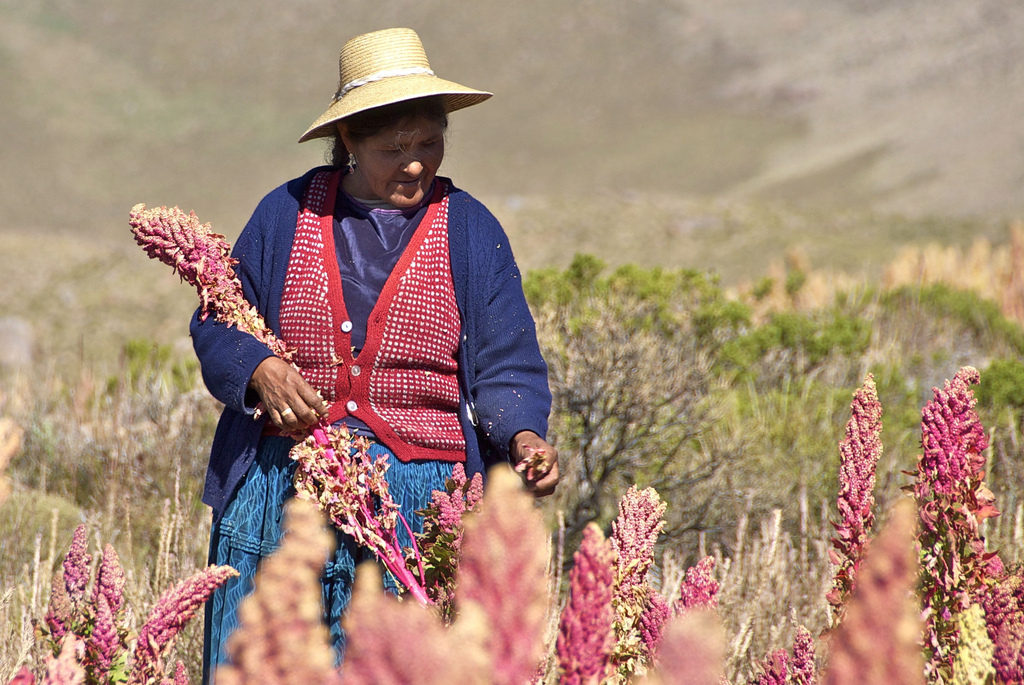
Food Security in an Increasingly Urban World: The Case of Bolivia
•
The founder of Alternativas discusses agricultural challenges in a world of climate and economic changes.