
World
-
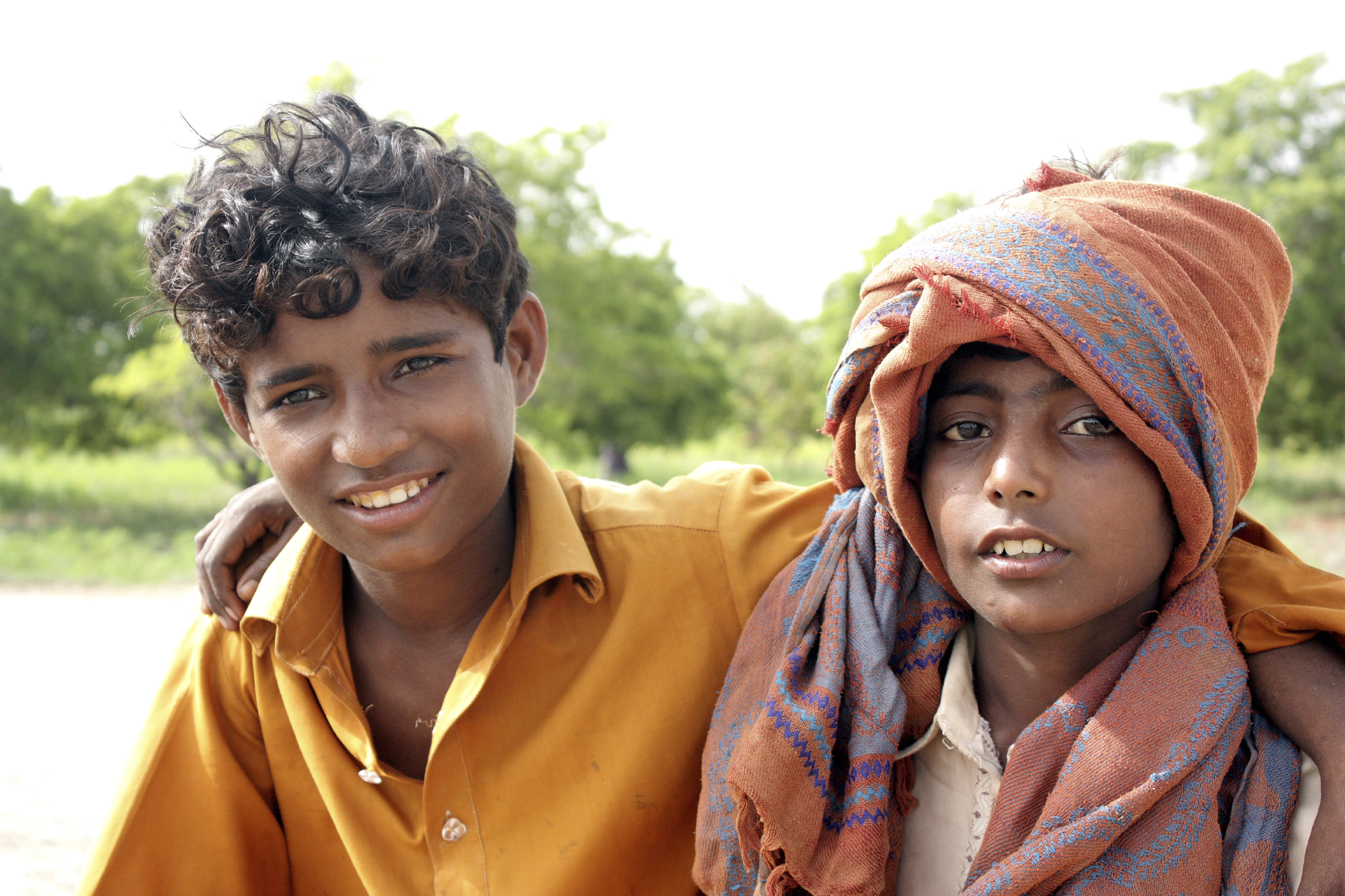
The Economic Role of Refugees: Evidence from Sub-Saharan Africa
•
The massive inflow of refugees in Europe has received unprecedented attention from the media, international agencies, and policymakers, and has generated an intense debate over adequate policy responses. However, refugees in Europe make up a fraction of the world’s forced migrations. According to the UN Refugee Agency, 86 percent of…
-
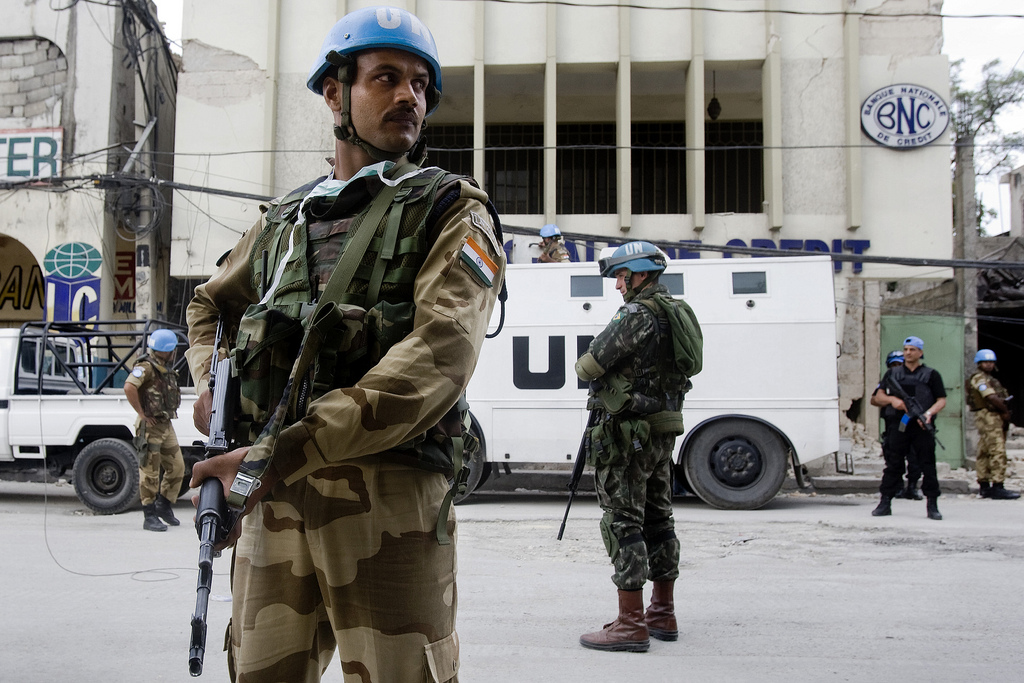
Why the UN Can’t Stop Civilian Slaughter
•
Though the perceived function of the United Nations Peace Keeping Operations is to protect civilians in conflict, it is often unable to fulfill its role in safeguarding vulnerable lives. What hinders the organization from preventing loss of civilian life, and why? Authors Bellamy and Hunt explore the expectations attached to…
-
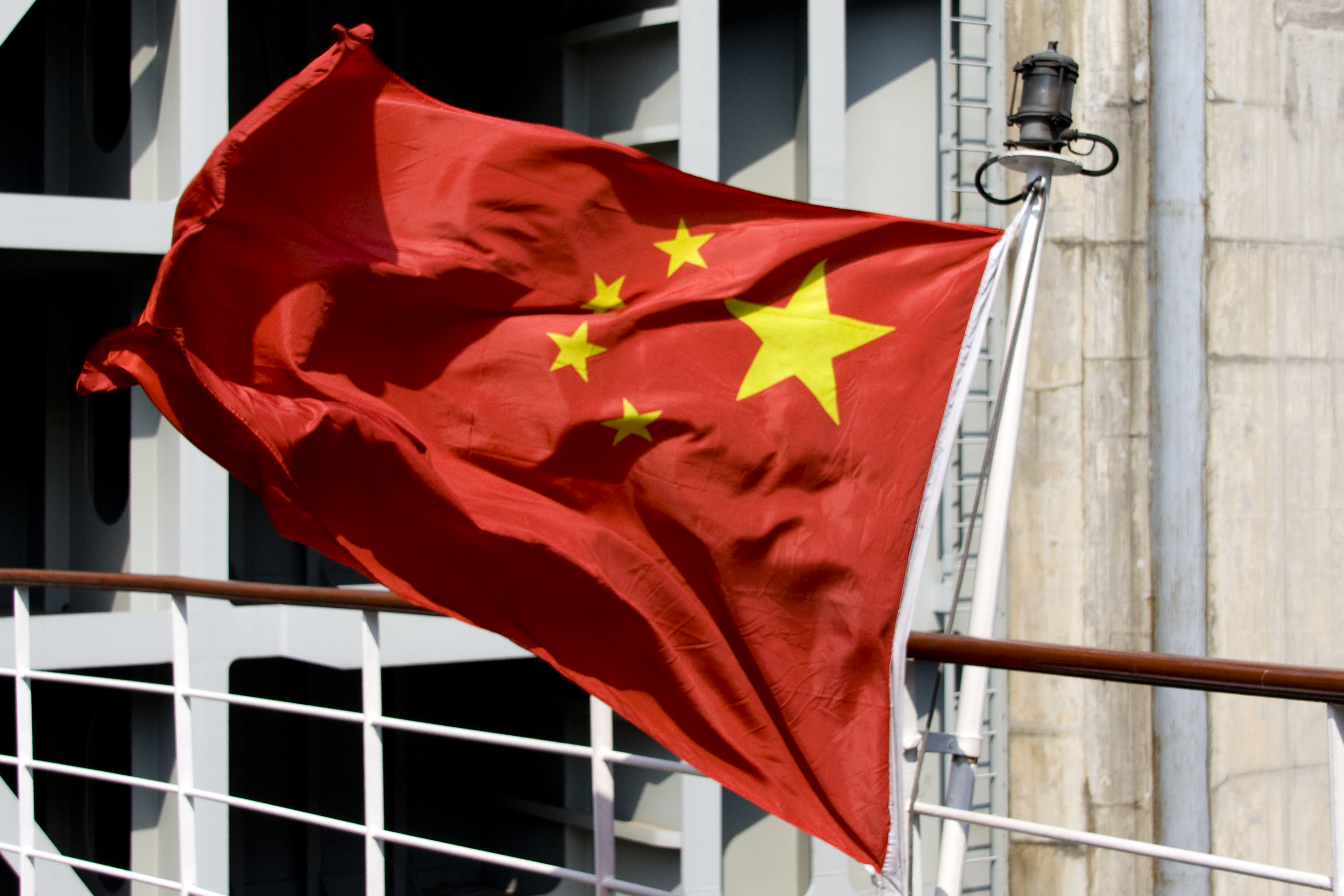
The Strategy Behind China’s Rising Influence in Latin America
•
China’s efforts to foster a partnership with countries in Latin America reflects its strategic goal of enhancing its “hard” and “soft” power to elevate China’s status at the systemic level.
-
NATO Needs to Rethink Its Enlargement Strategy
•
NATO should alter its current enlargement policy by infusing it with geopolitical rationales. This means downgrading the transformative and democratization elements of enlargement and, instead, focusing on how candidate countries add to NATO’s capabilities and impact overall alliance security.
-
The Evolution and Challenges of UN Targeted Sanctions
•
In 1990, the United Nations Security Council imposed several economic sanctions on Iraq in response to Saddam Hussein’s invasion of Kuwait. These measures were aimed at restoring international peace and security; however, they failed to accomplish their goals while raising political, economic, and humanitarian concerns. This was also the case…
-
Do Alliances Actually Make States More Secure?
•
Evidence suggests that policymakers should abandon alliance formation as a means of preventing war.
-
How Female Migration Can Reduce Gender Inequality
•
A recent OECD study suggests that differences in the rates of immigration across gender are associated with socially-institutionalized forms of gender inequality, such as norms that restrict females’ access to education, family planning, property ownership, and labor markets. The authors study how these factors impact female migration and, in turn,…
-

Myths and Facts of Migration
•
Given the importance of this issue in academia, public discussion, and politics, we present Five Myths and Facts about Migration.
-

What’s Dragging Down the Asian Economy? A New Look at Determinants of Growth
•
Researchers find that private and public investments, lower financial risk, and flexible exchange rate regimes appear to support the economic growth of Asian countries, while more open capital accounts marginally reduce growth.
-

The Institutional Design of Sustainable Democracy
•
A durable democracy, which would sustain a functioning market economy, requires institutional restrictions on the ability of democratically elected officials to set policies.
-

Crisis at Europe’s Doorstep: A Conversation with Eugenio Ambrosi about Refugees, Migration, and the European Response
•
As Europe’s migration crisis continues to unfold, there is a need to unpack larger questions surrounding migration policy, European values, and capacity to manage the current flow of both refugees and migrants seeking asylum in the continent.