
World
-

The Link Between Income and Xenophobia
•
According to the World Bank (2019), close to half the world’s population lives in countries where development goals are hindered by conflict and violence. The UNHCR (2019) claims that by the end of 2018, 70.8 million people had been forcibly displaced from their homes, of whom at least 25.9 million…
-
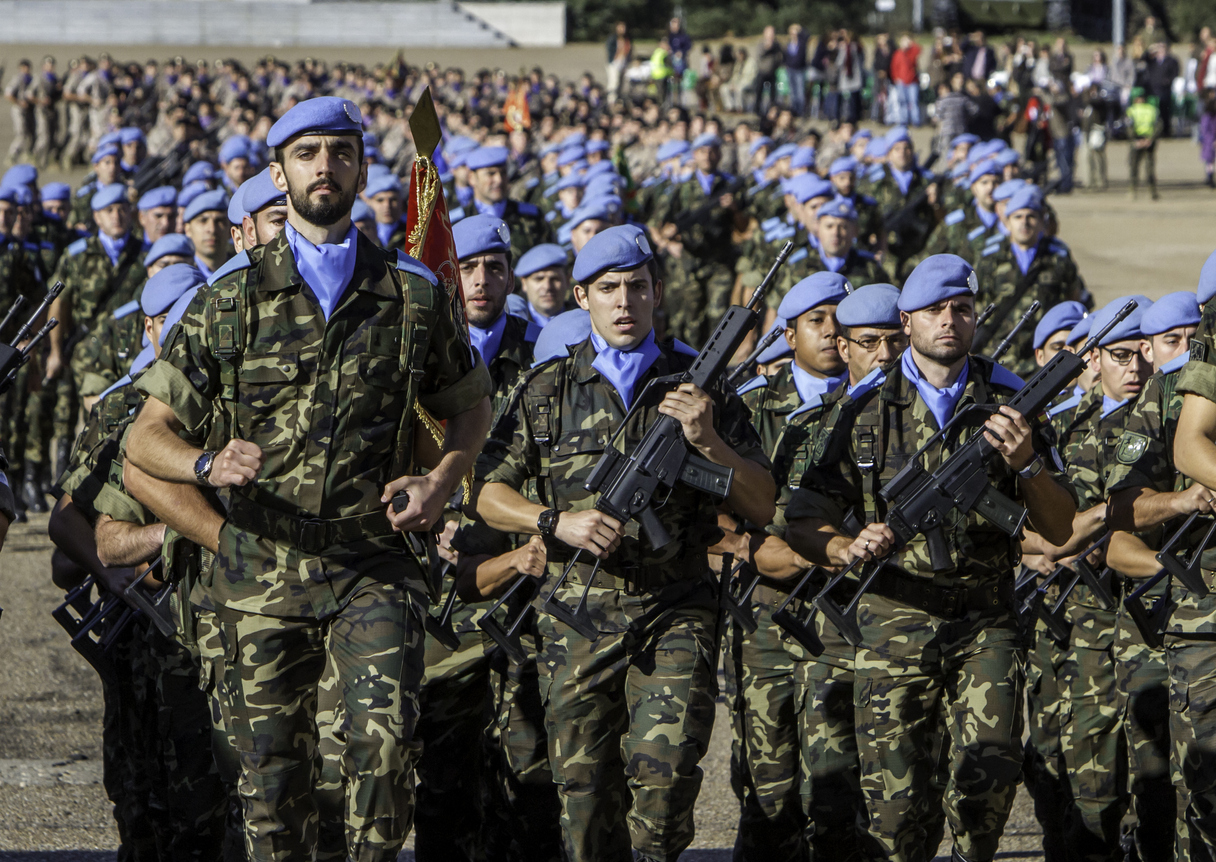
Peacekeepers Cannot Stop State Violence
•
The international community deploys UN peacekeeping missions to conflict zones to stop violence, protect civilians, and engage in peacekeeping negotiations. UN peacekeeping operations are the cornerstone of post-conflict reconstruction in war torn regions and peacekeepers are increasingly deployed to ongoing conflict zones to mitigate violence on and off the battlefield.…
-
Predicting Natural Resource Violence
•
Between 1949 and 2009, at least 40 percent of intrastate conflicts were linked to natural resources, according to estimates in a UN report. A growing body of research explores these links to try to explain variation across factors like time, geography, and resource type. One puzzle involves the question of…
-
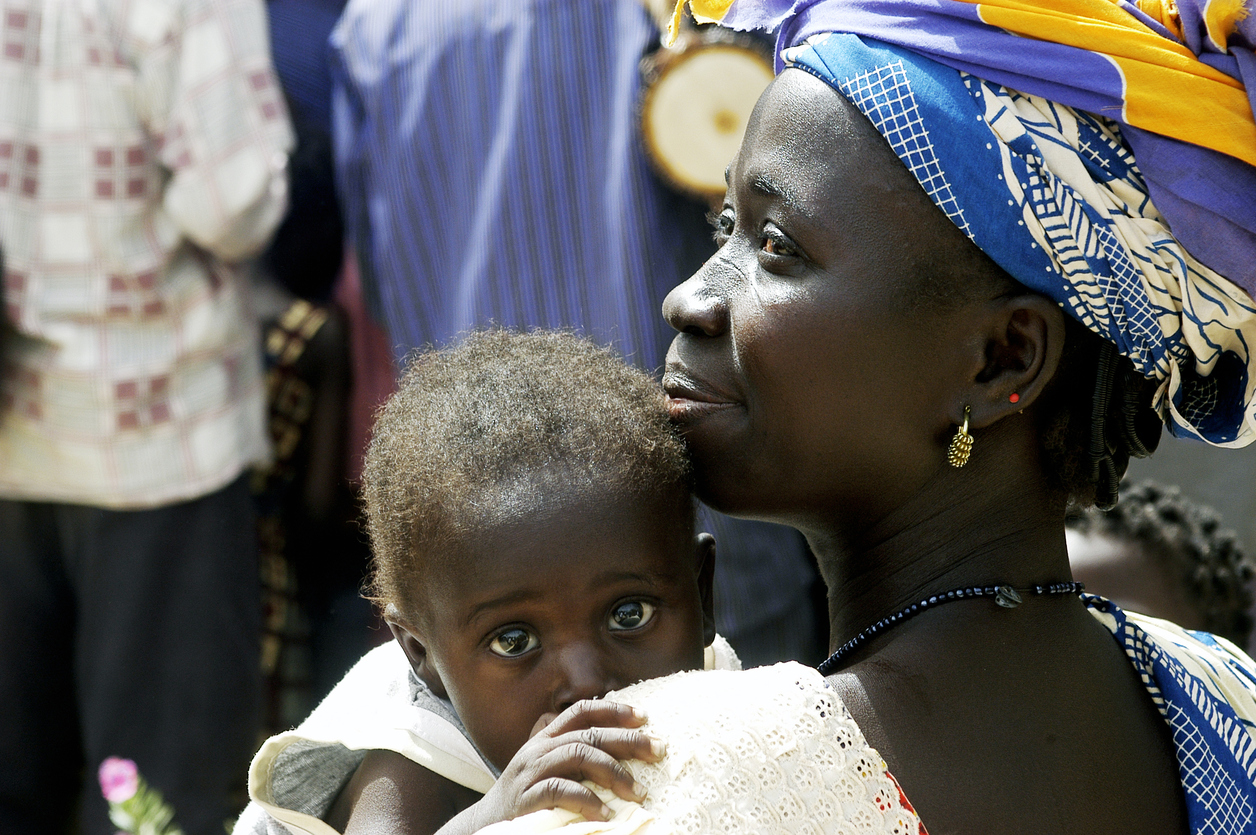
How Women’s Empowerment Reduces Child Hunger
•
Burkina Faso, a small West African country, is experiencing a child public health crisis. 88 percent of children under five years old are anemic, 16 percent are wasted — meaning they weigh too little for their height (a good predictor of mortality), and 35 percent are stunted. Past studies have…
-
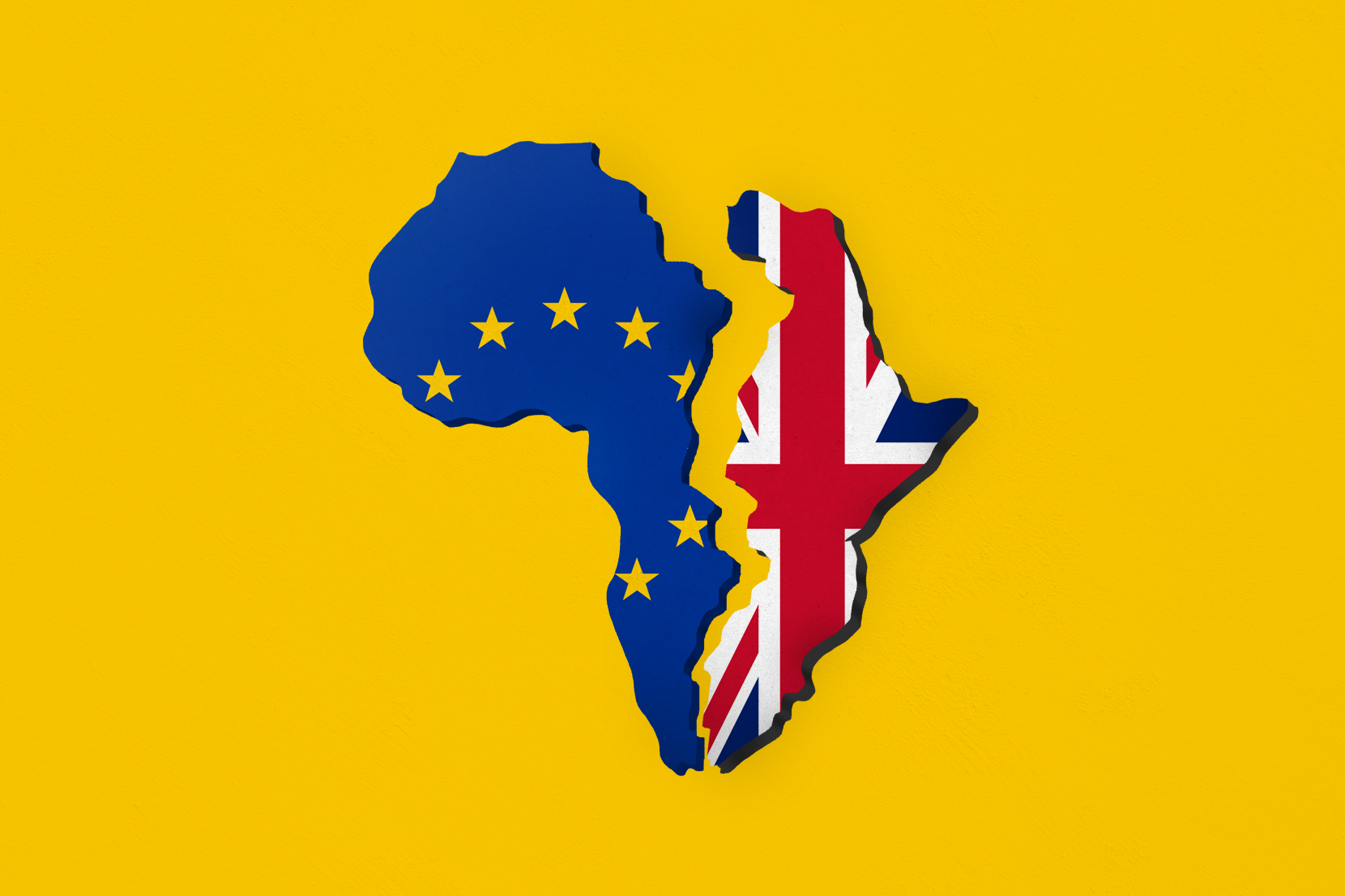
What Does Brexit Mean for Africa?
•
On June 23, 2016, the British people voted in a referendum to withdraw from the European Union — a historic move that is still being processed today. “Brexit” not only impacts the United Kingdom’s relationship with the European Union, but also the rest of the world’s trade agreements with Britain.…
-

From Across the Irish Sea: Brexit and Irish Politics
•
Despite the continued confusion over how the United Kingdom will move forward with Brexit, it is clear that upcoming decisions will greatly impact global geopolitics. Perhaps the most important consequence of Brexit will occur on the United Kingdom’s own border with Ireland. By examining Irish political responses to the ongoing…
-

Green Spaces, Gray Cities: Confronting Institutional Barriers to Urban Reform
•
In many of the world’s largest urban areas, the basic standards of living set out in the Sustainable Development Goals are woefully out of reach. In the developing world, cities won’t achieve those goals without providing adequate green space. Conceived broadly, green space is anything ranging from parks or clean…
-

Does Internet Censorship Stifle or Spark Protest?
•
The invention and expansion of the internet has revolutionized how citizens engage in political expression and protest. Citizens subject to authoritarian regimes have taken advantage of the instantaneous nature of internet communication to mobilize political demonstrations, as seen in the Arab Spring, the Taiwan Sunflower Movement, and the ongoing Hong…
-

Permafrost Thaw and Backwards Arctic Incentives Could Add Trillions to Climate Costs
•
Surrounding the Arctic Ocean, lying along a nearly continuous 10,000 mile (16,000 km) ring of inhospitable tundra, one of Earth’s most important environmental assets is beginning to collapse. Permafrost — perennially frozen soil and rock — may not look like much, but estimates suggest that vast tracts of icy ground…
-

Drug Prices Do Not Always Decrease After Decriminalization
•
The challenges of illegal drug use in the United States and around the world have been addressed in many ways over the past decades, from harsh sentencing guidelines to anti-trafficking activities. Decriminalization, or the legalization of drugs, is an approach that has gained popularity, despite the argument that removing the…
-

An interview with the former head of NATO: defense policy for students
•
The following is an edited transcript of part of an interview conducted by Thomas Krasnican and Nick Paraiso, first-year students at the Harris School of Public Policy for their UC3P original podcast series, Thank You For Your Service. The full interview can be found here or at their iTunes page.…