
Urban Policy & Infrastructure
-

Big Data in the Big City
•
The era of “big” data in public policy has begun. In order to boost the value of survey data for urban use, researchers must make choices comparable and compatible with personal experiences.
-

Entrepreneurship: The Modern Day Crime-Stopper
•
A study finds that the growth of African-American-owned businesses in urban communities plays a role in decreasing the rate of youth violent crime.
-

Citizenship: An Urban Asset
•
Researchers at the Urban Institute find compelling economic benefits of naturalization for eligible immigrants and the cities in which they live.
-

Won’t You Be My Neighbor? Understanding Resistance to Neighborhood Densification
•
New research reveals that increased diverse and unknown social interactions are the main causes of resistance to neighborhood densification among residents of urban areas.
-

All Growth Is Local: Housing Supply and the Economics of Mobility
•
Economists argue that more reasonable zoning regulations could boost social mobility, increase incomes, and expand economic growth.
-

The Fight to End Blight: What Can Cities Do to Minimize Urban Deterioration?
•
A study demonstrates the effectiveness of urban containment policies in reducing city blight with the end goal of promoting population growth in downtown neighborhoods.
-

Moving to Opportunity: How Housing Policy Can Disrupt the Persistence of Poverty
•
What matters for future economic success is the amount of childhood exposure to better neighborhoods.
-

Stop, Look, and Listen: A Behavioral Approach to Reducing Teen Violence
•
A recent study finds that cost-effective behavioral intervention programs reduce crime rates by teaching teens to slow down and reflect before acting.
-

Good Neighbors: Addressing Race in Public Housing Integration
•
New research shows that perceived racial conflict is hindering the ability of black, public housing residents to integrate into predominantly white neighborhoods, an issue that the City of Chicago is doing nothing to address.
-

Are Gayborhoods Driving Economic Growth in US Cities?
•
A study finds that US cities with significant concentrations of gay men have seen more rapid economic development of their downtown neighborhoods in recent years.
-
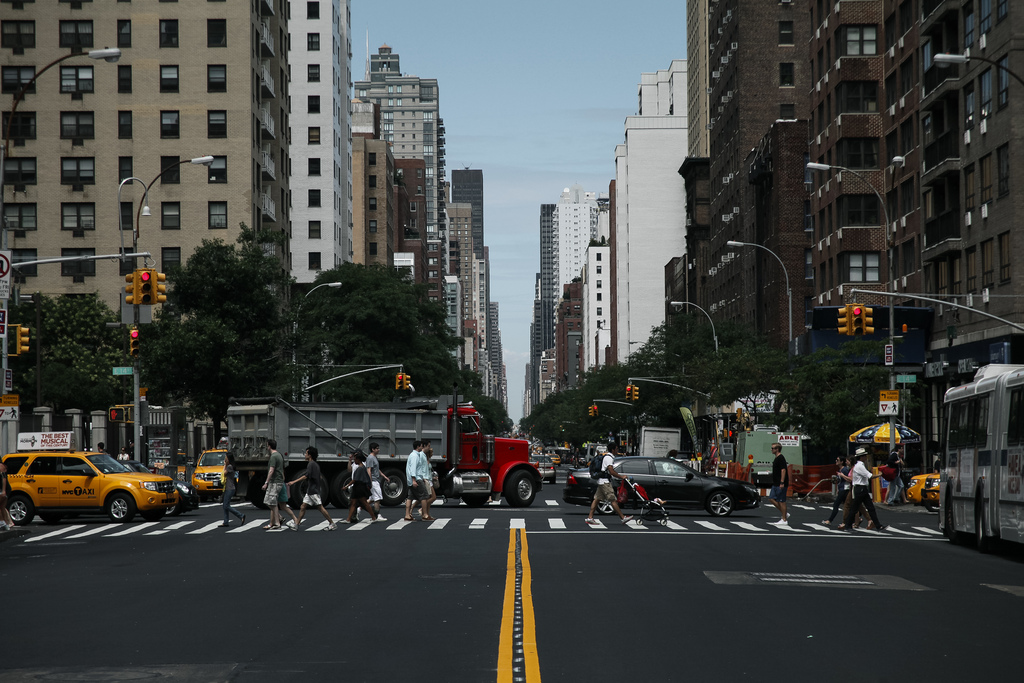
DIY Urban Design: community improvement or an act of crime?
•
Do-It-Yourself Urban Design occurs when people make unauthorized changes to public space to address local needs. Sociologist Gordon Douglas discusses the benefits—and potential unintended costs—that follow when self-appointed urban planners take direct action to improve their communities.