
Cities
-
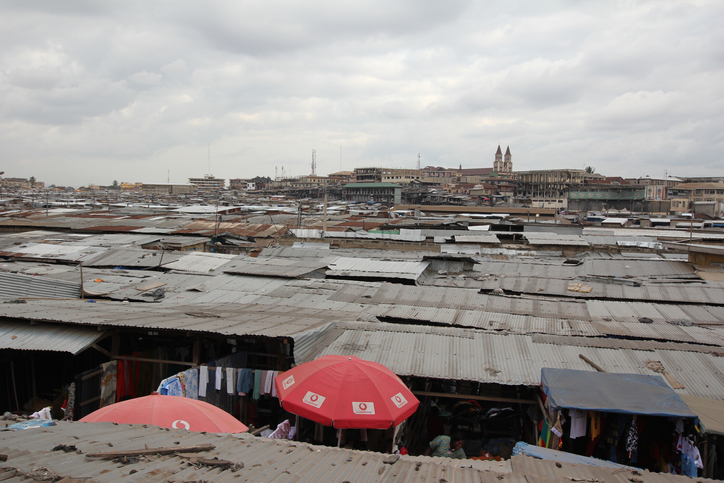
Green Spaces, Gray Cities: Confronting Institutional Barriers to Urban Reform
•
In many of the world’s largest urban areas, the basic standards of living set out in the Sustainable Development Goals are woefully out of reach. In the developing world, cities won’t achieve those goals without providing adequate green space. Conceived broadly, green space is anything ranging from parks or clean…
-

Electric School Buses Are Flipping the Traditional Electricity Model on Its Head
•
From San Francisco to Chicago to Fairfax, Va., electric buses are helping school districts reduce their carbon footprints and protect the lungs of their young riders. Unlike more popular transit options, electric school buses provide great opportunities to reshape the electric grid without disadvantages such as low range or demand…
-
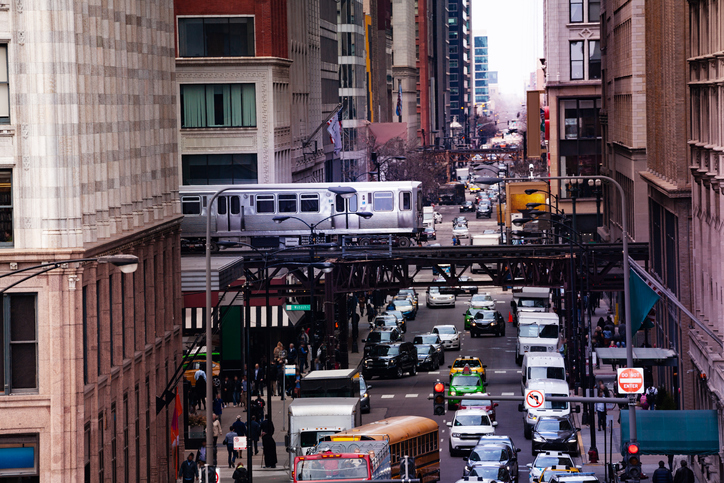
UberPool vs. Public Transit: The Race Is On
•
In the last decade, transportation network companies (TNCs) such as Uber and Lyft have significantly disrupted urban mobility. Commonly known as “ride-sharing,” TNCs’ app-based services provide millions of customers an alternative to traditional transportation modes such as public transit. A subset of these services is “ride-splitting,” such as UberPool, which…
-

Keeping Students Safe: Positive Results from Chicago’s Safe Passage Program
•
In the effort to reduce violence in Chicago, one important focus area is keeping students safe on their way to school. In 2009, the city launched the Safe Passage program as a novel method of addressing this issue. Safe Passage hires civilian guards and places them around schools during the…
-

Crime Prevention for Economic Development: Lessons from Chicago and Los Angeles
•
Crime imposes an immense burden on cities, taking its toll in higher policing costs, lower property values, fewer job opportunities, and reduced overall quality of life. High and rising rates of crime are often cited as reasons for businesses not to locate to areas of concentrated poverty. Meanwhile, municipal leaders…
-
The Connection of Sanctuary Cities and Crime
•
In the 1980s, churches across the United States sought to provide shelter for refugees fleeing violence in El Salvador and Guatemala. The U.S. supported the regimes of these countries, and it did not want to provide political asylum to their refugees. Nevertheless, religious communities offered them protection in open defiance…
-

Housing and Opportunity: Impacts of Chicago’s Public Housing Demolition
•
Chicago’s history of low-income housing policy is complex. The Chicago Housing Authority used to manage 17 large housing projects for low-income residents, but during the 1990s, due to high crime, poverty, drug use, and corruption and mismanagement in the projects, plans were made to demolish them. By 2011, all of…
-

Can Neighborhood-Level Legal Aid Improve Police-Community Relations?
•
During the 1960s, the Johnson administration sought to address civil disorder and calm race riots as part of its War on Poverty. In pursuit of that goal, it established the Neighborhood Legal Services Program (NLSP), which funded local legal agencies through federal grants. By providing community-based legal aid in areas…
-

Chicago Food: More supermarkets do not mean healthy food for all
•
Chicago is well known for its food culture, from Harold’s Fried Chicken to deep dish pizza to ‘Chicago-style’ hot dogs. It is difficult to spend time in this Midwestern city without spotting a sausage stand and developing a fondness for the many uniquely Windy City fried delicacies. Yet for many…
-

What do Chinese restaurants teach us about the immigrant labor market?
•
Chinese immigration to the United States often evokes images of Chinatowns, featuring Lunar New Year Parades, dim sum restaurants housed in pagodas, and storefronts featuring herbal remedies or porcelain goods. Cities have long been gateways for new immigrants to establish businesses in pursuit of economic mobility, and researchers examining Chinese…
-
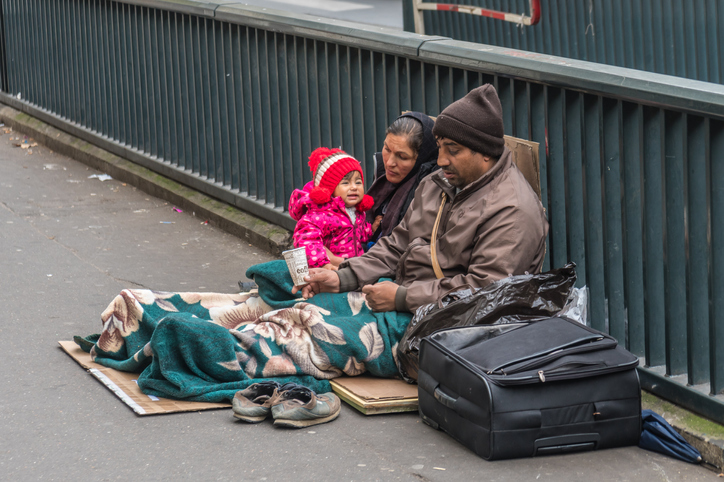
Housing Programs Improve Stability and Health of Homeless Families
•
A home is an invaluable space, providing not only physical shelter but also psychological sanctuary and security. In January 2017, the National Alliance to End Homelessness identified 553,742 homeless individuals living in the U.S. Housing instability causes numerous challenges for the homeless, including negative health consequences. For example, homelessness increases…