
Cities
-

The National Flood Insurance Program is Unsustainable and Regressive
•
In the ten days between September and October 2024, two catastrophic hurricanes, Helene and Milton, battered the southeastern United States. Insurance claim payouts related to Hurricane Helene are projected to total between six and seven billion dollars. Claims stemming from Hurricane Milton are estimated to increase by 30–50%. As of…
-

Citizens’ Assemblies: A Path Towards A More Perfectly Representative Union
•
Around the world, people seem dissatisfied with their leaders. This is particularly visible in the current era of anti-incumbency, which has taken hold in places as far-flung and different from one another as the United Kingdom to Botswana, India to South Korea, or Poland to Argentina. Incumbents are losing, or…
-

Walkable Cities: Ending the Automobile Reign
•
In the US, the car is an unkind king to its citizens. Cars mobilize, but also blast out pollutants and promote a sedentary and lonelier lifestyle. Conversely, walkable cities—where reaching local amenities on foot is both feasible and pleasant—bring myriad health and social benefits. Suburban sprawl is not conducive to…
-
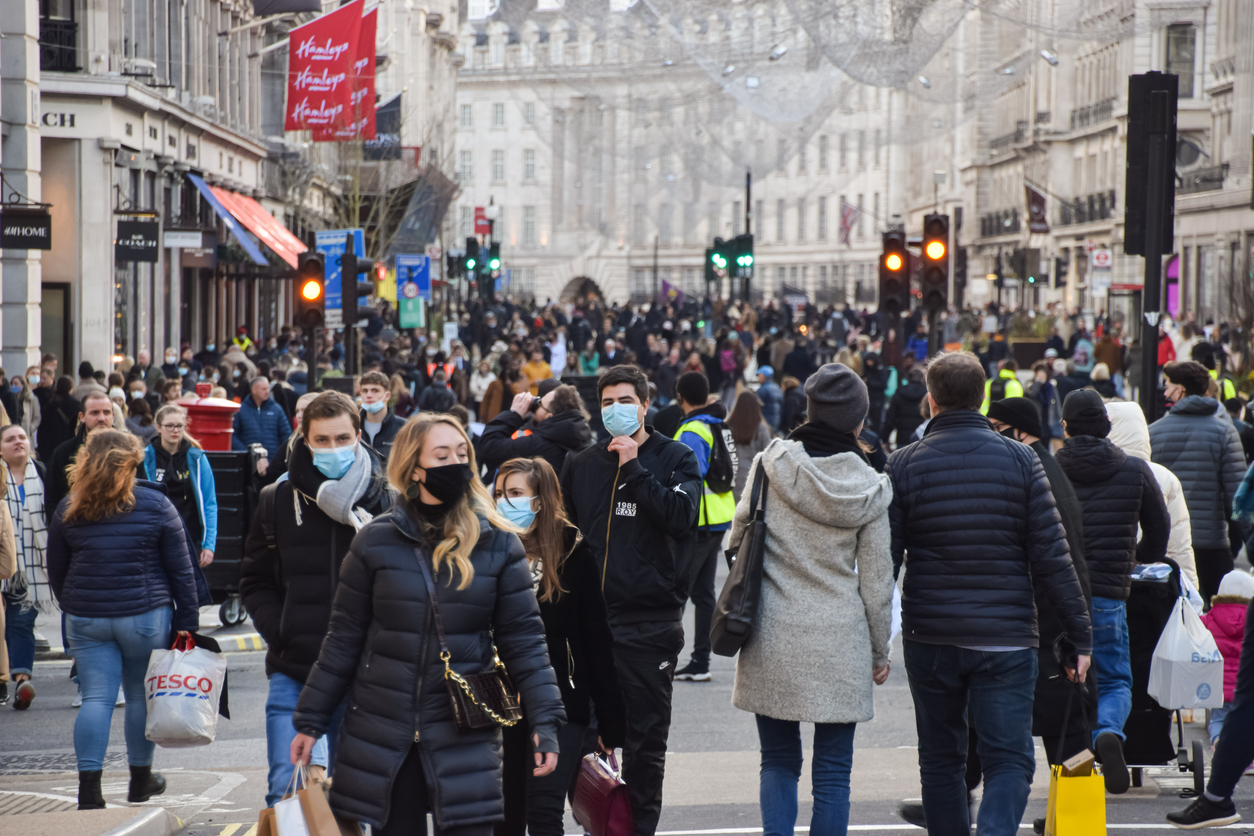
Why Urban COVID-19 Recovery Needs to Focus on Reforming Informal Settlements
•
Kadambari Shah is a Research Associate at the Energy Policy Institute at the University of Chicago. She holds a Masters in International Development and Policy from the Harris School of Public Policy. The COVID-19 pandemic has exposed numerous flaws in our world. At the city level, previously unknown or largely…
-

Participatory Budgeting for a Stronger City
•
Budgets are the new battlegrounds. While cities debate how to spend unprecedented amounts of federal relief funds and activists demand reallocation of police budgets to social services, decisions about how to allocate public dollars are drawing increased public scrutiny. It’s often said that budgets are moral documents that display a…
-
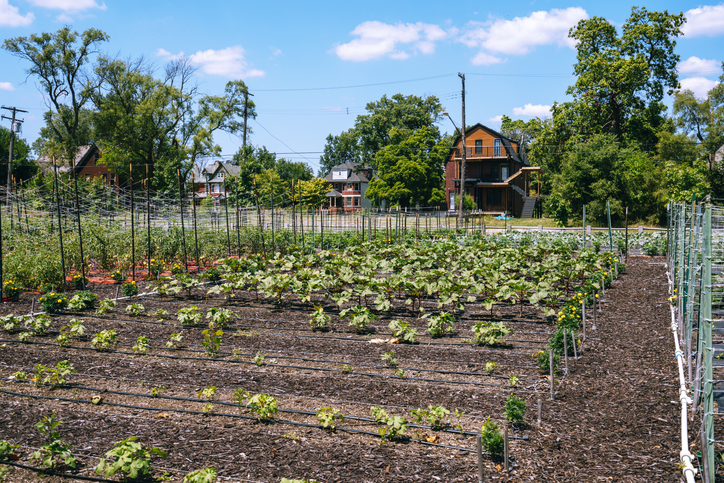
Who Participates in Small-Scale Urban Agriculture? And Why?
•
As urbanization increases across the globe, it is important for policymakers and local leaders to ensure that urban residents find affordable, sustainable produce that positively impacts local and global ecosystems. One solution is community gardening and private at-home gardens, otherwise known as “small-scale urban agriculture.” Community gardens are often run…
-
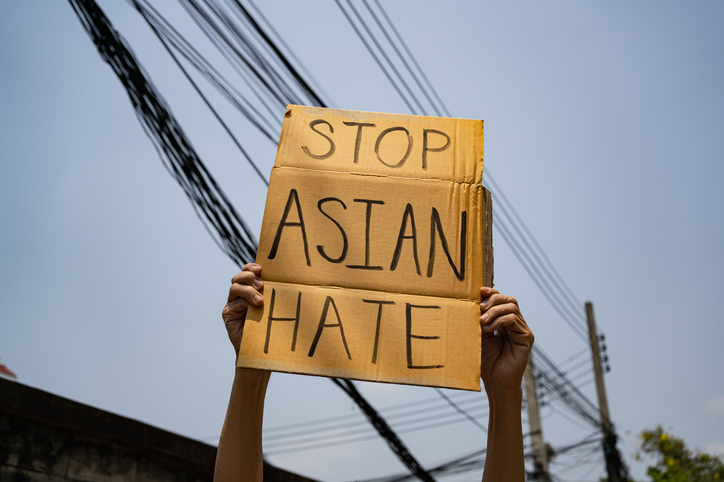
Anti-Asian Violence Is Not Random: Why Increased Policing Will Fail Us
•
With the Atlanta spa shootings earlier this year, and the pandemic exacerbating incendiary rhetoric about Asian Americans, violence has become a regular conversation topic in my circles. My Asian-American friends share stories about street harassment, while my mother, in her native Chinese, always urges me to “stay careful” and “pay…
-
How Chicago Successfully Reversed Opioid Trends
•
After a century of increasing life expectancy in the United States, 2020 witnessed a decline of 1.5 years. Although primarily attributable to COVID-19, the pandemic only exacerbated the persistent health crises of the “before-times,” further contributing to the decline. In particular, the opioid epidemic, which continues to ravage the country,…
-
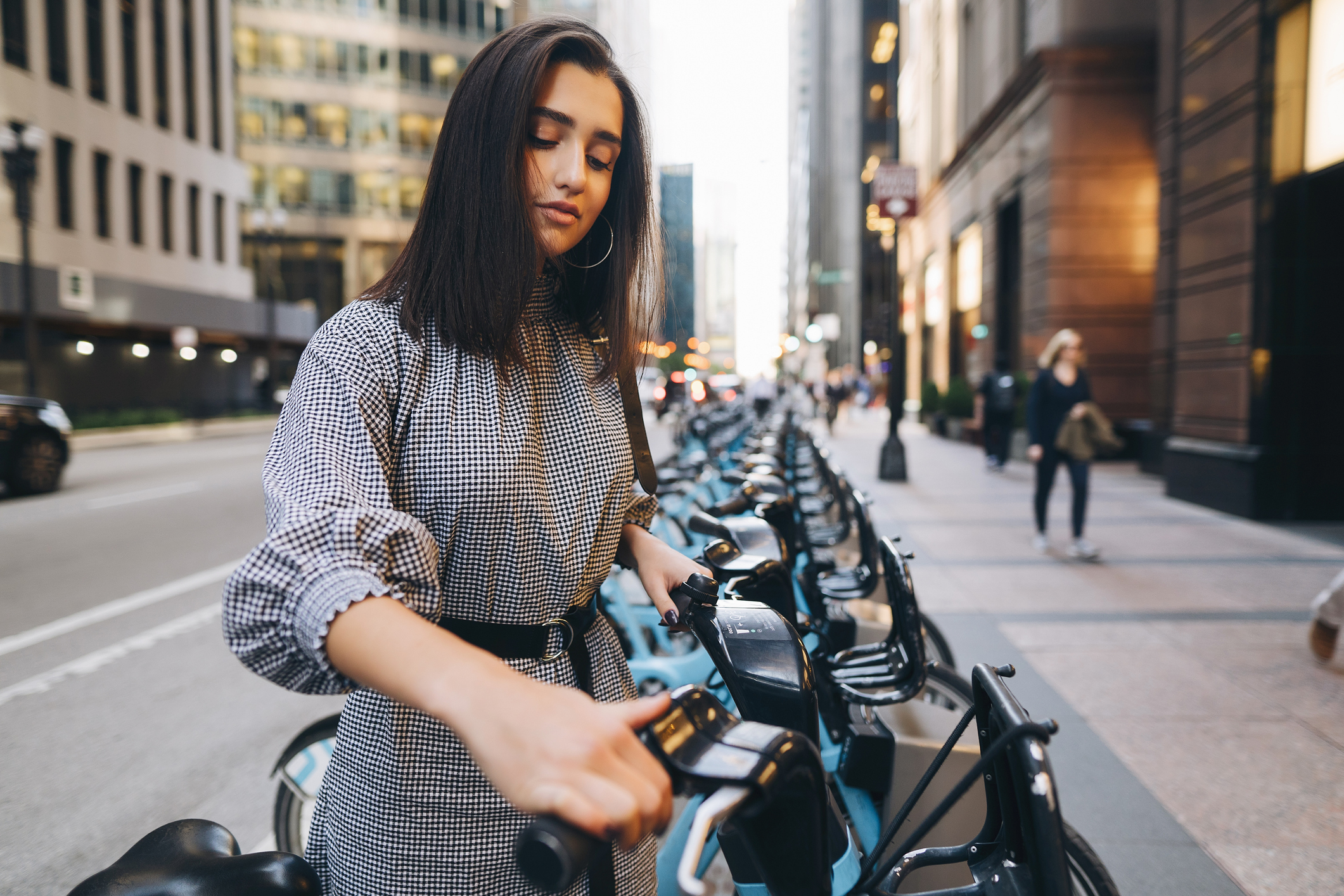
Bikeshares Are Not an Alternative to Public Transit
•
Public bikeshare systems (PBS) have become increasingly popular in cities, prompting studies on their relationship with different forms of transit, including cars, rideshare, walking, and public transit such as buses and rail. Many of these studies have found that PBS reduces the use of all other modes of transit (Bullock,…
-

Centering Equity in Urban COVID-19 Recovery
•
Even before the outbreak of the novel coronavirus, socioeconomic inequality plagued cities across the globe. The pandemic itself has both deepened those existing wounds and ripped open new ones. In the United States, neighborhoods predominantly inhabited by people of color have experienced the highest rates of both infections and deaths,…
-

The History of Community Mental Health Care
•
More than a third of incarcerated individuals in the United States today have a diagnosed mental illness. In the 1960s, this population constituted fewer than 5% of all inmates. How did having a mental health condition become criminalized? A well-meaning policy intervention called the Community Mental Health Act (CMHA) of…