
The Delta Project
-
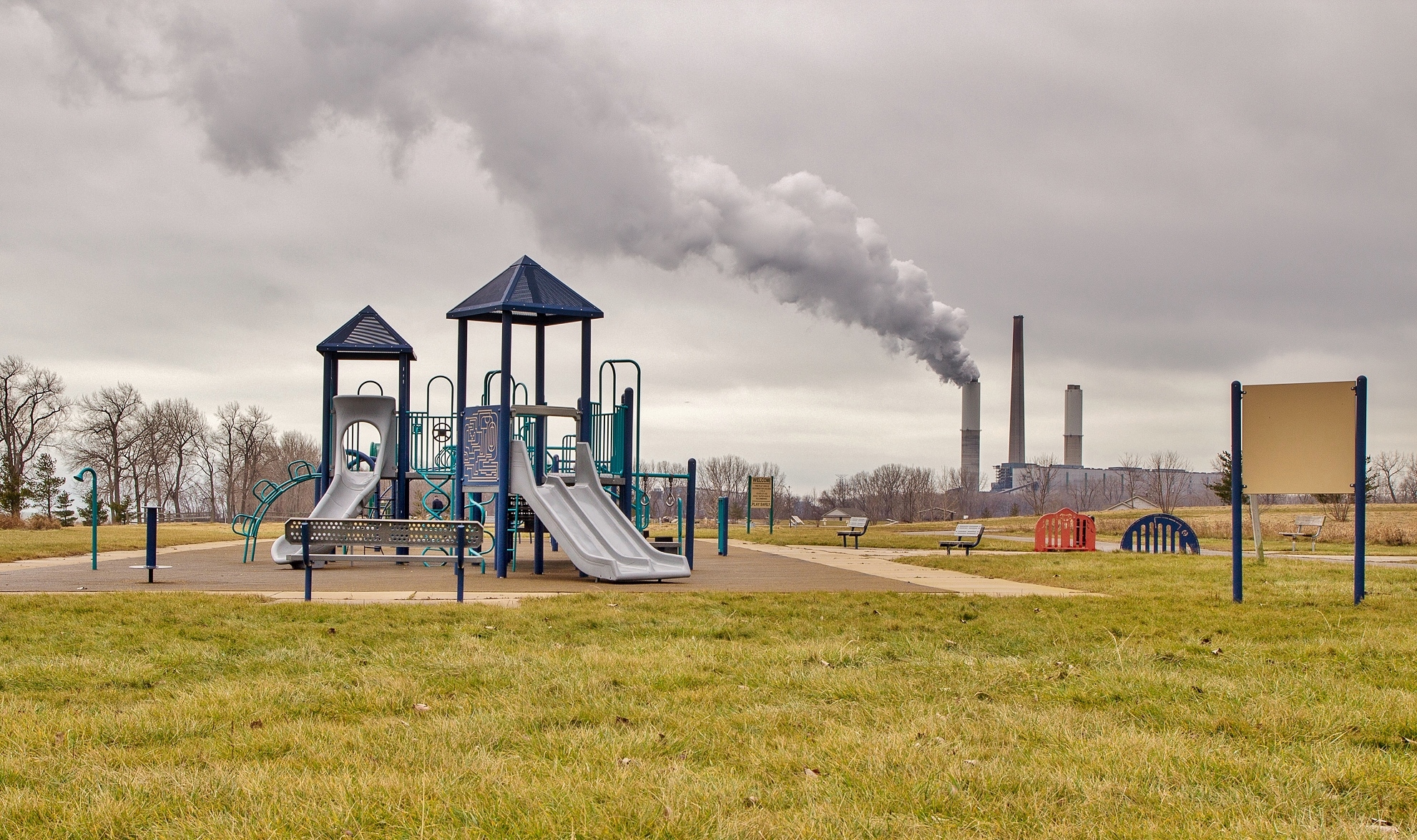
Interview: Kim Wasserman and Juliana Pino of the Little Village Environmental Justice Organization
•
The following is an edited transcript of an interview conducted by Kelly Aves, a second-year student at the Harris School of Public Policy. Kelly spoke with Kim Wasserman and Juliana Pino of the Little Village Environmental Justice Organization (LVEJO). Kim is the Executive Director of LVEJO and has been a…
-
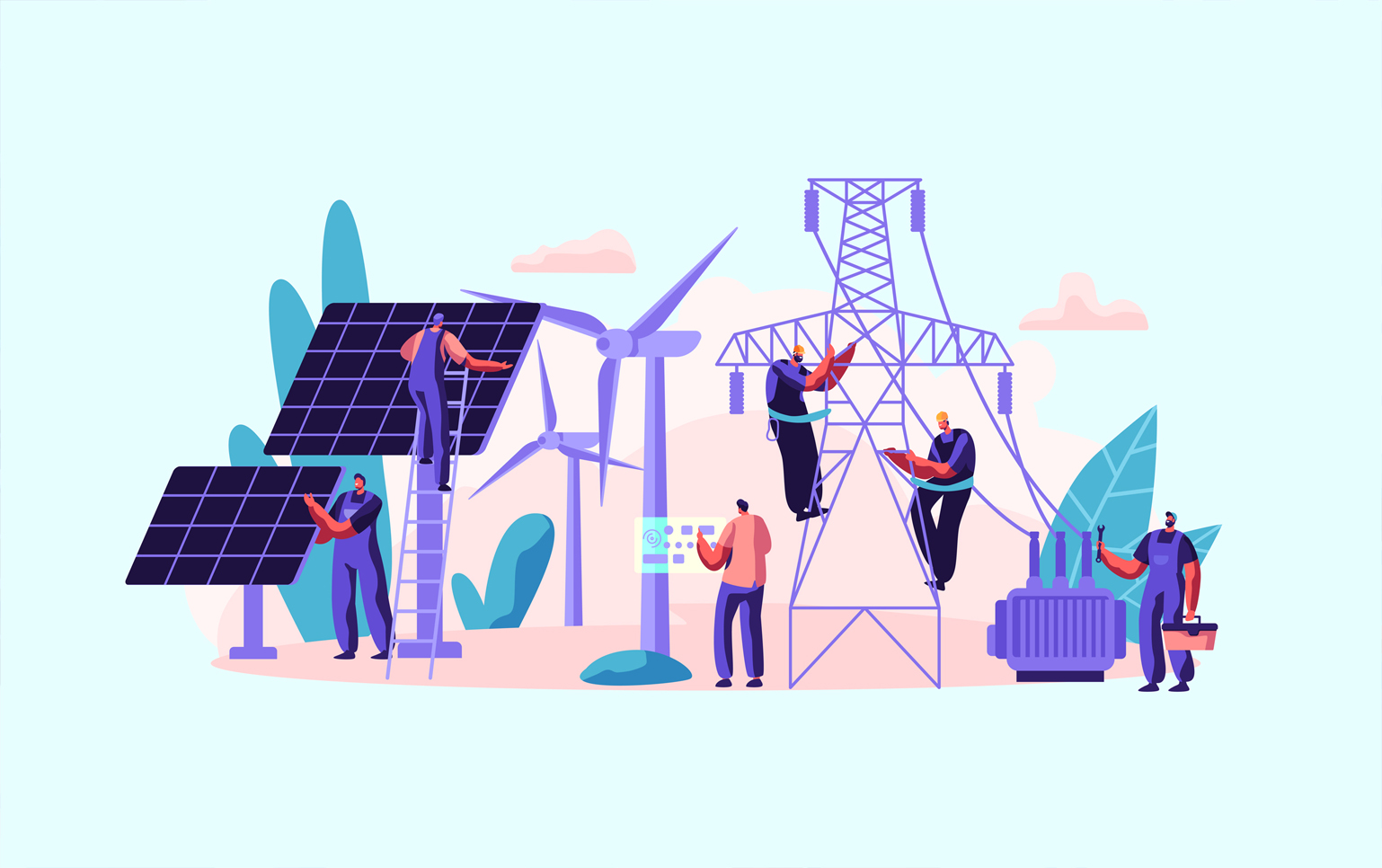
Microgrids Require Macro Investment
•
The energy landscape is rapidly changing in response to concerns over resilience, climate change, and energy independence. Several cities around the world have pledged to become partially or completely carbon-free over the next couple of decades. But how does a city reach this goal? Municipalities often enter contracts with utilities…
-

The CARES Act Offered a Radical Experiment in Cash Transfers. Here’s What We Learned.
•
In March, as the world stared into a financial and epidemiological abyss, Congress acted more swiftly and dramatically to save the U.S. economy than during any crisis in American history. The CARES Act—signed into law by President Trump on March 27 after facing virtually no resistance in the House or…
-

The IRS Should Collect Racial Data
•
The U.S. tax collection agency, the Internal Revenue Service (IRS), currently does not ask tax filers to disclose their race or ethnicity. This well-intentioned policy seeks to prevent racial discrimination and racially-motivated enforcement actions. Yet in a recent paper, George Washington University Law Professor Jeremy Bearer-Friend contends that omitting race…
-

The Tolerance of American Inequality
•
The killing of George Floyd in the custody of the Minneapolis police triggered widespread and persistent protests across the United States. A key flash point among protesters has been economic inequality and racism. History supports their cause—for the last thirty years, we have witnessed a steady increase in income inequality…
-

The Energy Demand Crisis Within the Public Health Crisis
•
As COVID-19 spreads around the globe, staying at home has become the easiest and most effective way to save lives. Governments across the world have translated this public health measure into policy by enacting “shelter in place” orders, confining millions to their homes. As a result of these orders, residential…
-

Reparations Is the Only Choice
•
To address racial disparities faced by Black Americans, policymakers must prioritize a Black agenda highlighted by a federal reparations policy. For many scholars, reparations—as a policy—represent an initial attempt to acknowledge, redress, and provide finality of judgement for the financial hardships caused by slavery and Jim Crow. In “Resurrecting the…
-

Replacing Ginsburg Will Pull Court Right
•
The passing of renowned liberal Supreme Court Justice Ruth Bader Ginsburg on Friday Sept. 18 immediately sparked a heated conflict over her potential successor. The current Supreme Court is ideologically split, and Supreme Court justices receive lifetime appointments, so Justice Ginsburg’s successor will likely decide our generation’s most defining issues.…
-

Racial Disparities in Access to Public Green Space
•
As the COVID-19 pandemic rages around the globe and ravages communities, racial disparities in many aspects of public life in the US have been highlighted. Access to public green spaces, including parks, nature preserves, forests, and community gardens (Wolch et al., 2014) varies across racial and economic lines. Income and…
-

A Decarbonized Grid by 2035: Necessary, Dependable, and Affordable
•
There is a growing consensus among scientists, policymakers, and stakeholders that society must become more reliant on renewable energy in order to mitigate the effects of climate change. However, the method of and timeline for renewable energy reliance remain unclear and subject to political whims. The plummeting costs of wind…
-
Re-Examining Body-Worn Cameras
•
Sparked by the police killing of unarmed teenager Mike Brown, the 2014 Ferguson protests ignited a nation-wide conversation about police reform in the United States. To increase safety and accountability for officers and civilians, many lawmakers responded by requiring officers to wear body-worn cameras. A 2016 survey of police departments…