
Innovation in Cities
-
Green Spaces, Gray Cities: Confronting Institutional Barriers to Urban Reform
•
In many of the world’s largest urban areas, the basic standards of living set out in the Sustainable Development Goals are woefully out of reach. In the developing world, cities won’t achieve those goals without providing adequate green space. Conceived broadly, green space is anything ranging from parks or clean…
-

UberPool vs. Public Transit: The Race Is On
•
In the last decade, transportation network companies (TNCs) such as Uber and Lyft have significantly disrupted urban mobility. Commonly known as “ride-sharing,” TNCs’ app-based services provide millions of customers an alternative to traditional transportation modes such as public transit. A subset of these services is “ride-splitting,” such as UberPool, which…
-

Why Inclusive Zones are Not Inclusive Everywhere
•
Research from New York University explains why inclusive housing policies work better in some places than in others.
-

Policy Radio | Yonah Freemark on Transit and Infrastructure Development
•
In this week’s episode of Chicago Policy Radio, Jim Howes sits down with Yonah Freemark and turns the gears about transit-oriented development and infrastructure investment and how these concepts fit into the present-day narrative on cities.
-
Movers and Stayers – Residential Mobility as a Measure of Family Well-Being
•
Political scientist Robin Phinney explores why some low-income families decide to move while others do not.
-

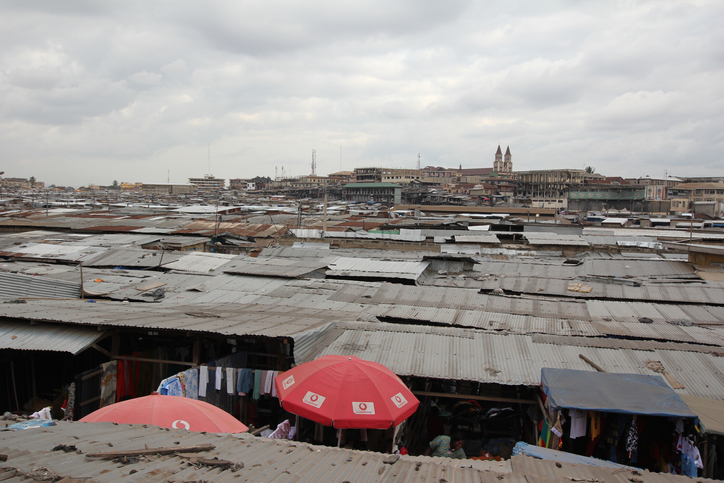
Ending Poverty? Modern Slums and Stagnation in Government Action
•
Researchers find that the mechanisms behind past slum development success stories do not adequately translate to fixing slums in the modern developing world.
-

Growing Pains: The Link Between Increasing Wage Inequality and City Size
•
Researchers establish a possible connection between rising wage inequality and city size.
-

The Role of City Planners in Building Family-Friendly Communities
•
A new study examines the attitudes of planners towards family-friendly communities and finds several factors are critical to the creation of urban environments that are more conducive to child welfare and development.
-

Editor’s Note: Urban Wheels Keep on Turning
•
Welcome to this week’s Urban Affairs series on Innovation.