
Policy Analysis
-
The Inflation Reduction Act’s Big Bet on Electric Vehicles
•
Electric vehicle (EV) sales in the United States grew by 85% between 2020 and 2021 – the largest increase to date. To continue this growth and promote additional investment in EV production, Democratic lawmakers passed the Inflation Reduction Act of 2022 (IRA) in August, the largest piece of climate change…
-

Why Our Brains Tune Out Climate Change
•
In 2018, Climate Outreach, a leading climate-communications non-profit, released a handbook for scientists working under the Intergovernmental Panel on Climate Change (IPCC) on how to effectively communicate climate change to the public. The handbook suggests that good science alone is not enough to motivate people to take action against climate…
-
Congressional Staff Shock Therapy: Fellowships and Internships as Diversity Superchargers?
•
Latinos are roaring into political relevance in the United States, with a population growth of 23% over the last decade, compared to the national rate of 7%. This includes significant dispersion beyond traditional Southwestern states. Yet, the United States’ changing demographic is not well reflected in congressional offices. While Congress…
-

How the Artificial Intelligence Act Could Kickstart A Regulation Revolution
•
No longer relegated to the world of science fiction, artificial intelligence (AI) has penetrated the mainstream. From Isaac Asimov’s influential 1950 literary work I, Robot to modern-day algorithmic decision-making, the rise in AI systems has been fueled by advancements in computer storage, processing speed, and access to big data. The…
-

Financial History at Warp Speed: Cryptocurrency and the FTX Collapse
•
As one of the most stable and respected names in cryptocurrency (crypto), FTX represented the rock that other firms could rely on. It had over one million users, investments from Japanese multinational firms to the multi-billion-dollar Ontario Teacher’s pension fund, and it sponsored everything from the Miami Heat’s arena to…
-
Inflation: Moving Beyond a Basket of Goods
•
Two topics dominate discussions of both the current state of the economy and the political environment in the run-up to the 2022 midterm elections: how can policymakers fight inflation and is the economy currently in a recession? Like everything else today, COVID-19 plays a role in the answers to both…
-

UN Ocean Conference: It’s the best and last opportunity for us to take action
•
Biodiversity, especially in marine and coastal ecosystems, is a core foundation for sustainable development and the source of livelihood for a large part of humanity. Currently, more than 3.5 billion people depend on the ocean as their primary food source, and 15% of all animal protein consumed by humans derives…
-
Piece of the Action: Debt vs. Equity for Bailouts
•
American citizens often think of their country as a bastion of free-market capitalism. Indeed, the ethos of American economic policy is devoted to minimal government intervention to ensure that private enterprise can succeed. Proponents of this policy argue that businesses do not fail due to bad management; instead, they fail…
-

How Economics and Ecology Interact: Interview with Eyal Frank
•
In collaboration with UC3P Audio file: Frank Interview.mp3 Now on Spotify Transcript: Chicago Policy Review Eyal Frank is an assistant professor at the University of Chicago, Harris School of Public Policy. Eyal is also affiliated with the Energy Policy Institute at UChicago (EPIC). As an environmental economist, he works at…
-

Asynchronous Telepsychiatry: An Unused Solution to the Psychiatrist Shortage
•
The United States is facing a severe shortage of psychiatrists. In 2018, 77% of counties in the United States reported a severe deficit of psychiatrists, while an estimated 60% of adults with mental illness were not able to receive treatment. This lack of services is even more glaring in rural…
-
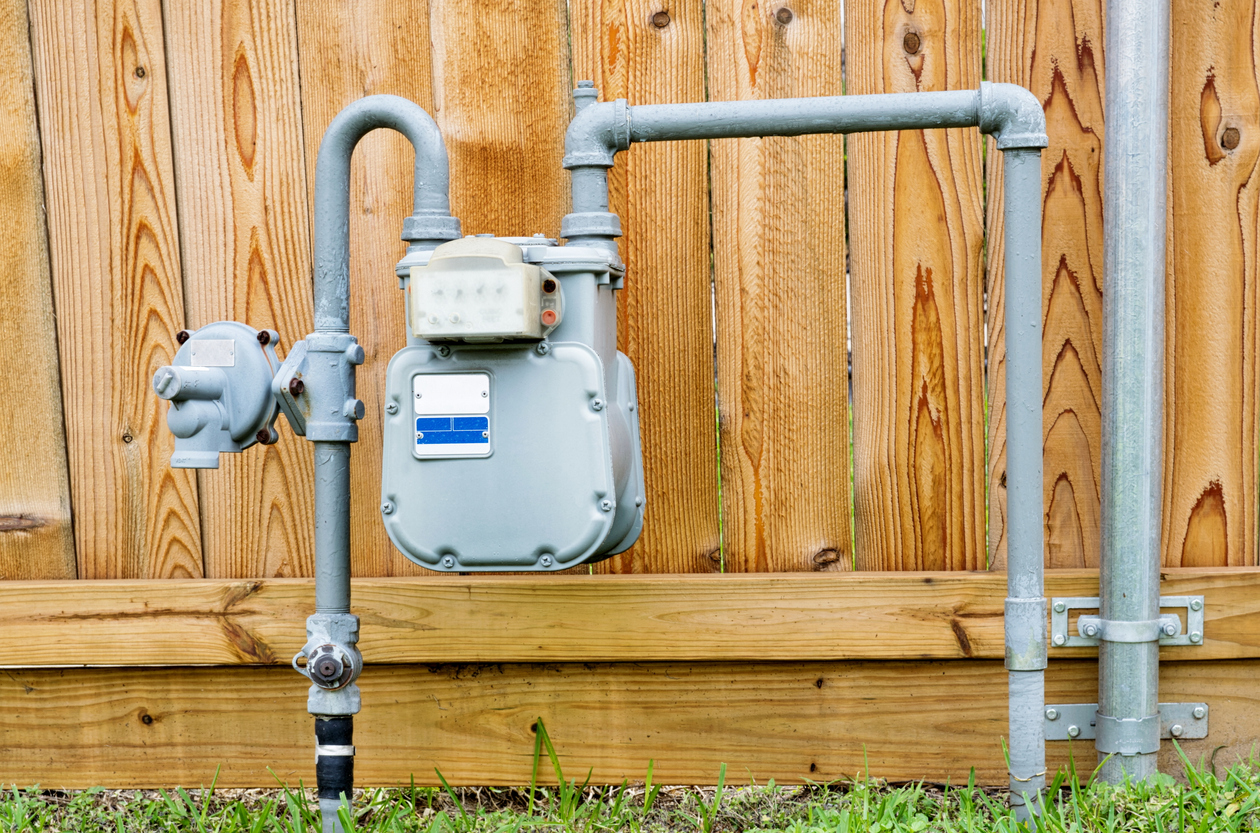
Decarbonize Housing: Centering Equity While Phasing Out Natural Gas
•
As federal climate action falters, America’s mayors have a new plan to stop global warming: ban the use of natural gas in homes. While roughly 58% of American households use gas-powered stoves or heaters, research suggests that doing so is bad for our health and the environment. In use, gas stoves release nitrogen oxide, a…