
Health
-

Expanded Medicaid Eligibility Reduces Debt for Low-Income Individuals
•
In 2009, when President Obama placed healthcare at the top of his agenda, the weight of healthcare costs on individuals was a driving media narrative. Stories about families losing their homes to pay for cancer treatments added a human face to the fact that medical expenses are one of the…
-

Born Last: How Birth Order Affects Childhood Outcomes
•
Economic theory holds up competition as an ideal way for society to allocate limited resources. Although competition is often discussed in terms of equilibrium supply and demand in a given market, the strategic allocation of resources also has significant consequences within individual households. For example, in large families where there…
-

Triumphs, Challenges, and Lessons Learned from US Health Care Reform: A Rigorous Reflection by President Barack Obama
•
This is the first piece celebrating the Chicago Policy Review‘s 20th Anniversary Series. Please visit us here to learn more about the series from our Executive Editors. Health care reform has arguably been the Obama administration’s most significant legislative achievement since 2008. Various authors, including some of our own at the Chicago Policy Review,…
-

Is Patient Activation the Answer? Engaged Patients Could Yield Lower Costs for Hospitals
•
Accountable Care Organizations (ACOs) are growing rapidly in the United States because of new pay-for-performance incentives under the Affordable Care Act. These provider networks currently cover more than 28 million patients across the country, whereby they agree to cover a set number of patients for a fixed cost per year.…
-

Can Comments Improve Care? How Yelp Reviews Can Help Patients and Providers Understand Experiences of Hospital Care
•
Recently, there has been an increased focus on improving patient satisfaction in health care. Patient experience is one of the three pillars of the Triple Aim framework, as numerous studies have found a positive link between patient experience and downstream health outcomes, particularly with regards to self-management of chronic disease…
-

Does Access to School-Based Healthcare Reduce Teen Birth Rates and Lead to More High School Completion?
•
Research suggests that school-based healthcare reduces teen fertility, but does not substantially reduce high school dropout rates.
-

How Temporary Incentives Can Increase Long-Run Productivity in Clinics
•
A recent study shows that temporary financial incentives can motivate long-run changes in clinic routines, overcoming the initial costs of inertia and allowing them to implement more effective and efficient practices.
-

Taking a Closer Look at Elderly Medicaid Recipients
•
Understanding how elderly individuals ultimately rely on Medicaid could be key to implementing changes that protect the fiscal longevity of both Medicaid and Medicare.
-

A Milliliter of Cure: How Investment in Vaccine Provision Could Yield Substantial Economic Returns
•
A new study finds that investments aimed at increasing vaccine coverage reap significant economic benefits in the long run, particularly in developing countries.
-

Work Stress Is the New Secondhand Smoke
•
A recent article in The Behavioral Science & Policy Journal sheds light on the combined effects of several workplace stressors on overall health outcomes.
-
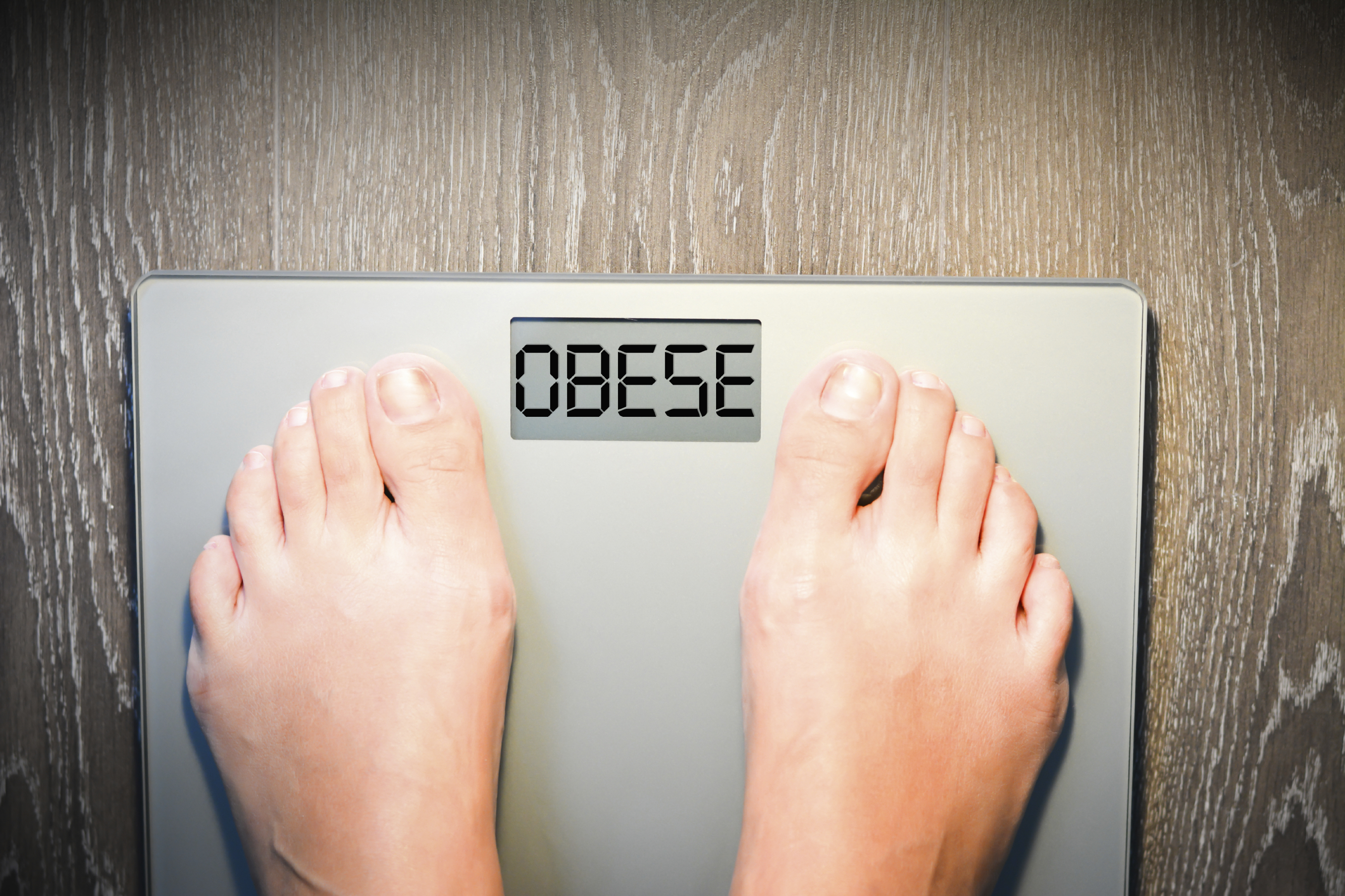
The Link between Perceived Income Inequality Conditions and Higher Caloric Intake
•
Poverty and income inequality conditions translate into higher obesity rates by inducing anxiety and uncertainty feelings for individuals, who increase their caloric intake as a response.