
Health
-

The Hidden Cost of Teletherapy
•
Teletherapy became increasingly popular during the COVID-19 pandemic. In 2021, an estimated 21% of U.S. adults used a teletherapy service, while mental health startups collectively raised $5.5 billion in funding. Websites such as BetterHelp, Cerebral, Ginger, ReGain, and TalkSpace, among others, connect users with therapists for virtual counseling sessions. Although…
-

Impact of Disproportionate Air Pollution and Heat Exposure on Pregnancy
•
Climate change, environmental pollution and ecological degradation have been linked to undeniable and debilitating consequences on human health outcomes. The World Health Organization (WHO) reports that climate change is expected to cause approximately 250,000 additional deaths every year between 2030 and 2050. This assessment includes direct mortalities as well as…
-
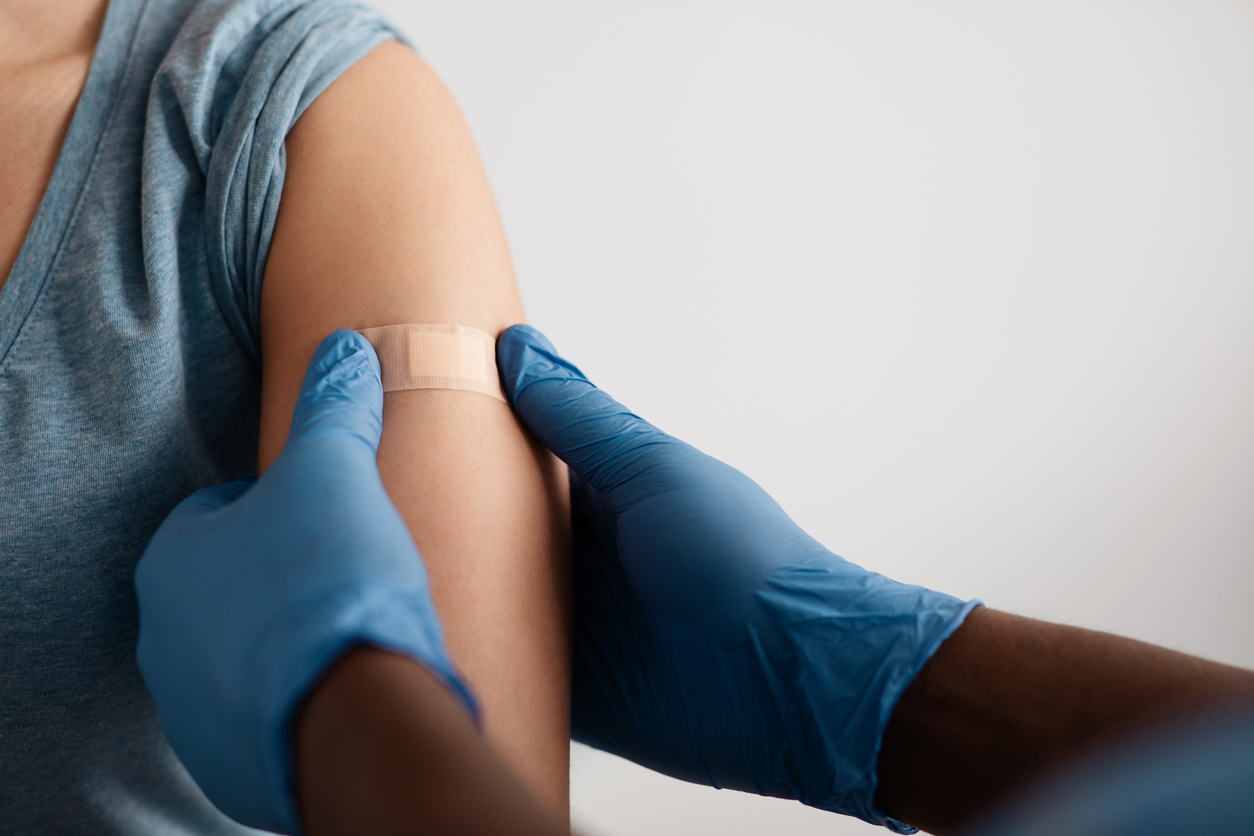
Incentives vs Mandates: Encouraging People to Get the Covid-19 Vaccine
•
A year after the first vaccines for COVID-19 were administered, the United States is still struggling to reach herd immunity, which scientists estimate to occur when 70% of the population is vaccinated (Robertson et al, 2021). The main challenge in reaching herd immunity has been vaccine hesitancy. People have refused…
-

New Evidence on Insurance and Health Behavior
•
Public health officials have long sought to improve health outcomes by influencing bad behaviors, like smoking or lack of exercise. Such behaviors are very clearly detrimental to health, so much so that it seems like no one would perform them—but people inevitably still do. Health policymakers are interested in improving…
-
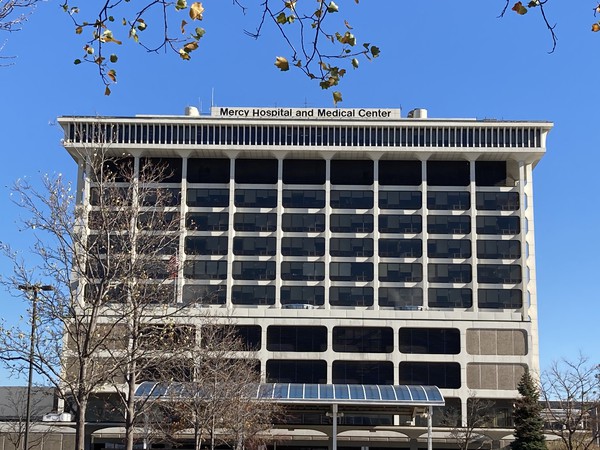
A Major Tear in the Chicago Safety-Net System
•
Since 2000, the Chicago area has witnessed 20 hospital closures, a loss of nearly a quarter of the city’s hospitals. In the past three years alone, there were four scheduled hospital closures in the South and West sides, though one—Mercy Hospital—was saved at the last minute by an out-of-state investor.…
-
How Chicago Successfully Reversed Opioid Trends
•
After a century of increasing life expectancy in the United States, 2020 witnessed a decline of 1.5 years. Although primarily attributable to COVID-19, the pandemic only exacerbated the persistent health crises of the “before-times,” further contributing to the decline. In particular, the opioid epidemic, which continues to ravage the country,…
-
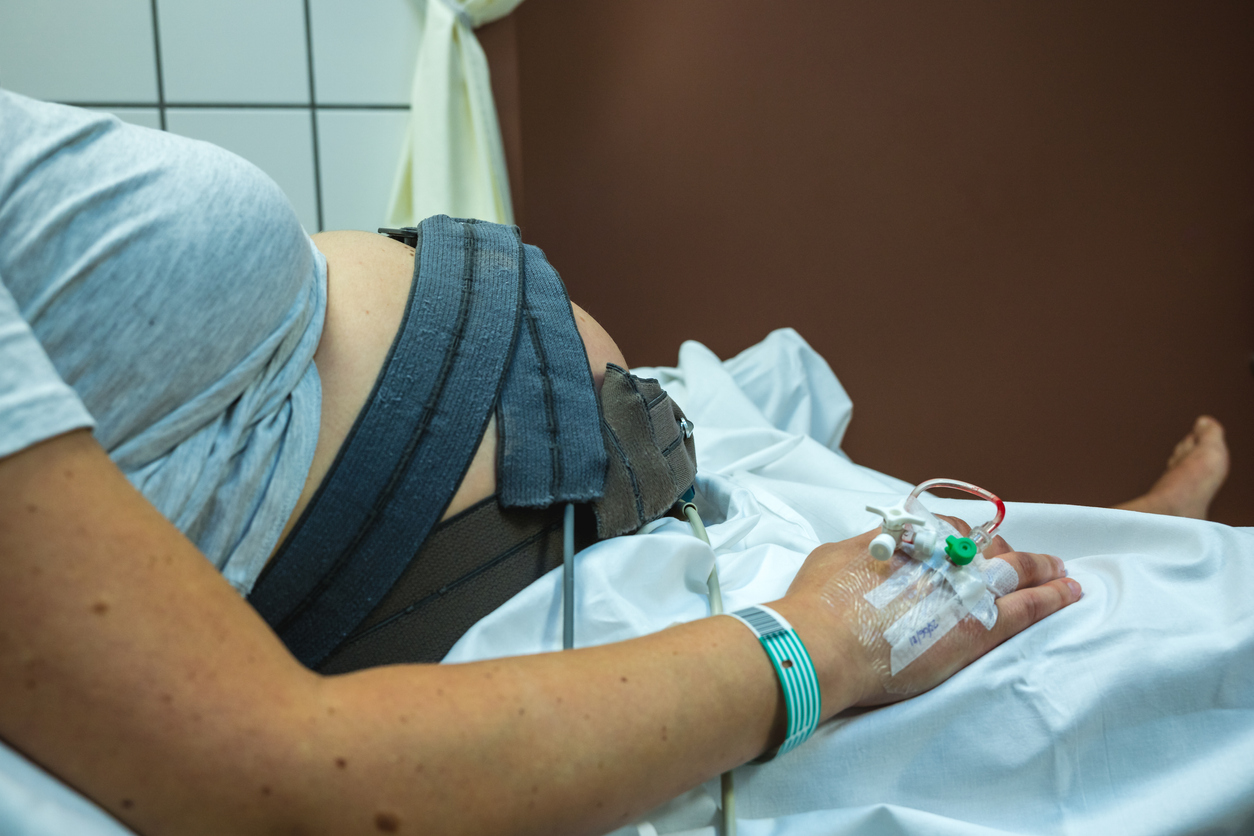
Venezuela’s Shameful Secret
•
Tamara Pilot is an Assistant Vice President at the University of Chicago, Global Initiatives and Strategy (Uchicago Global). The young woman covered her face with a shaking hand. She was exhausted and scared. The metal birthing chair did not have a cushion or vinyl covering, and she shivered in the…
-

Illinois Mandates Comprehensive Sex Education in Schools
•
An education should prepare students to engage in a meaningful, productive way with the world. While academic achievement takes center-stage in our approach to this education, we often fail to provide adequate support for social development. In the United States, this failure extends to the pursuit of healthy social relationships.…
-
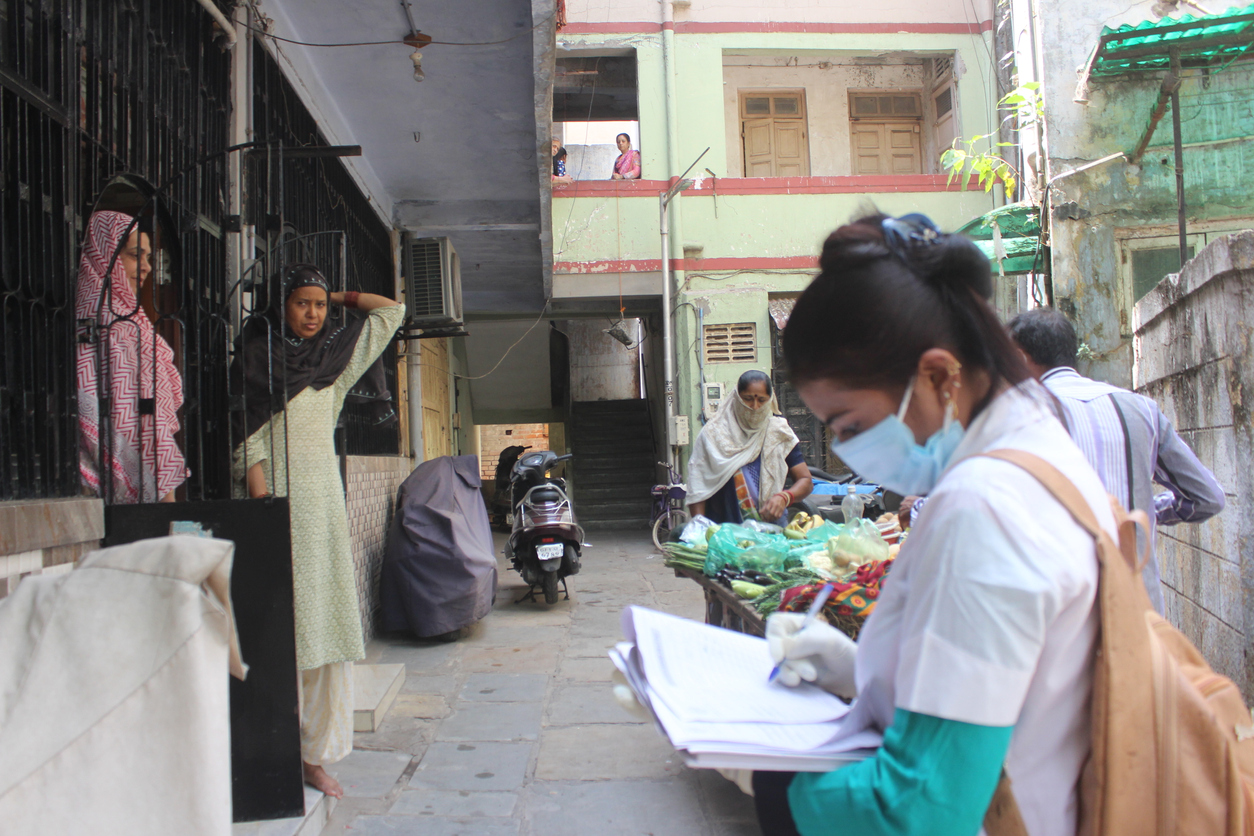
Managing India’s COVID Crisis through Human Capital Reform
•
Abhishek Yadav contributed to this article. After soldiering through the first COVID-19 wave with a national lockdown and a relatively low death count, India lost a devastating battle with the second wave. Total deaths, which peaked in April, have climbed up to nearly 400,000, but are likely grossly under-reported as…
-

Black Maternal Mortality Rates in Chicago: Why the Recently Passed IL 1115 Waiver Is Not Enough
•
Sara Bovat ‘21 graduated with a MA in Social Work, Social Policy, and Social Administration at the University of Chicago Crown Family School of Social Work, Policy, and Practice and the Graduate Program in Health Administration and Policy . She can be reached via LinkedIn. Severe maternal morbidity is not…
-

GDP has Immense Consequences for Health Equity: Why Doctors Should Care
•
Natalia Khosla ‘22 is a MS 4 at the University of Chicago Pritzker School of Medicine. She can be reached at [email protected] or [email protected]. During one of my medical rotations, my team and I were taking care of a patient stuck in a vicious cycle: a 68-year-old with heart failure,…