Education and Family
-

Editor’s Note: Looking Back on Fifty Years of Head Start
•
The Head Start Program turns fifty this year, and it has earned its fair share of both supporters and detractors. The Child and Family team looks at some of the perspectives constituting the conversation.
-

It’s Back to School for Head Start Parents
•
New research shows that, for some parents, the Head Start program can improve educational outcomes but has no impact on employment outcomes.
-

Who Benefits Most from Head Start Programs?
•
New research on the impact of Head Start finds that participation leads to large cognitive gains, particularly among children with the lowest initial cognitive skills.
-

No Pomp, All Circumstance: How Changing the College Experience Could Close the Higher Education Gap
•
There is a staggering gap between low- and middle-income students in college completion rates. New research indicates that the key to closing this gap may be focusing on helping first-generation students develop “school-relevant selves.”
-
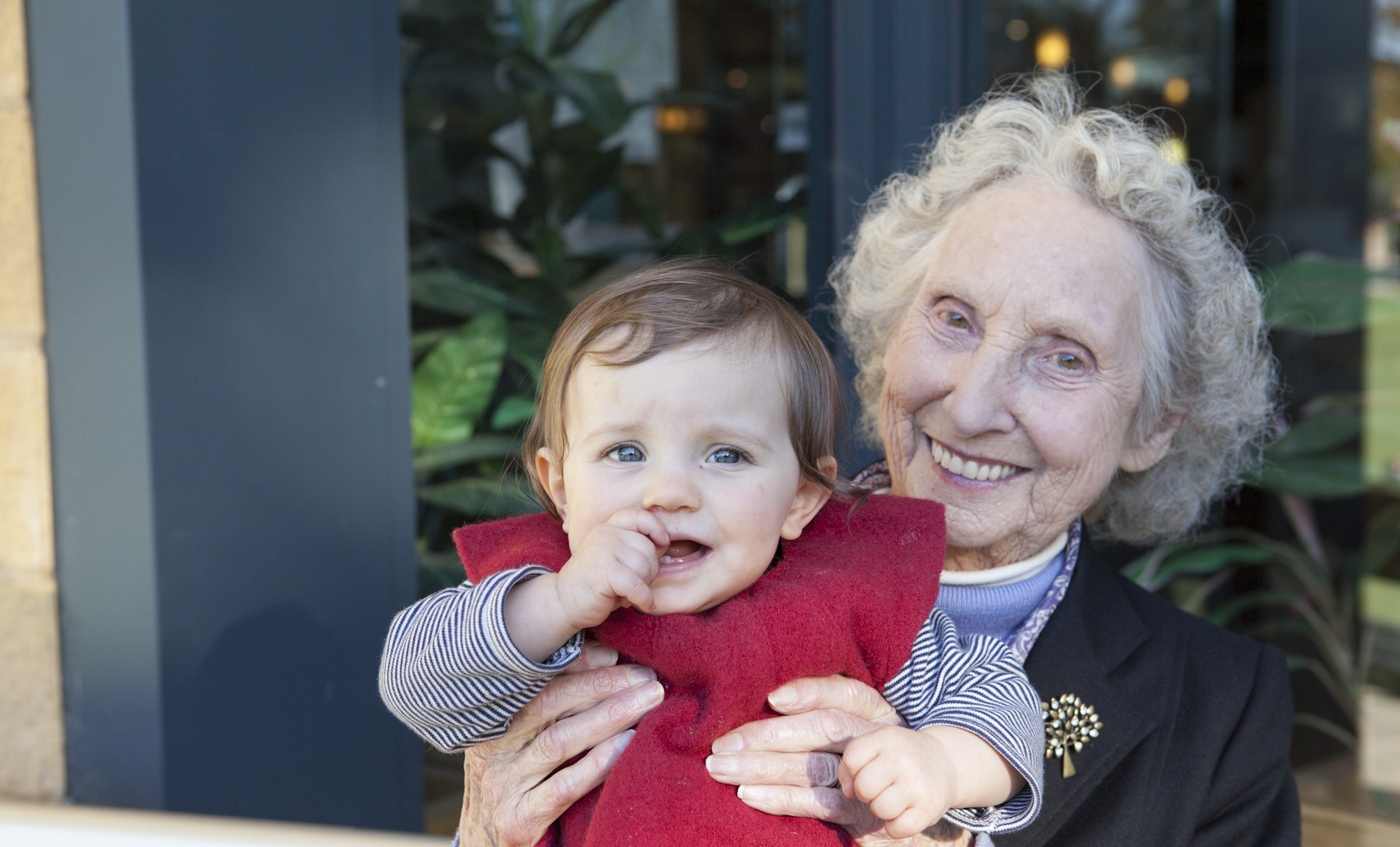
Grandma Retires: How a New Grandchild Changes a Woman’s Career Choices
•
A new study analyzes the effects of a new grandchild on a grandmother’s labor force participation and attempts to connect caring for grandchildren with retirement choices.
-

Who’s in Charge? The Impact of Greater Principal Autonomy on Student Test Scores
•
In a recent article published in Education Finance and Policy, Matthew P. Steinberg examines the impact of greater principal autonomy on student test scores in Chicago.
-
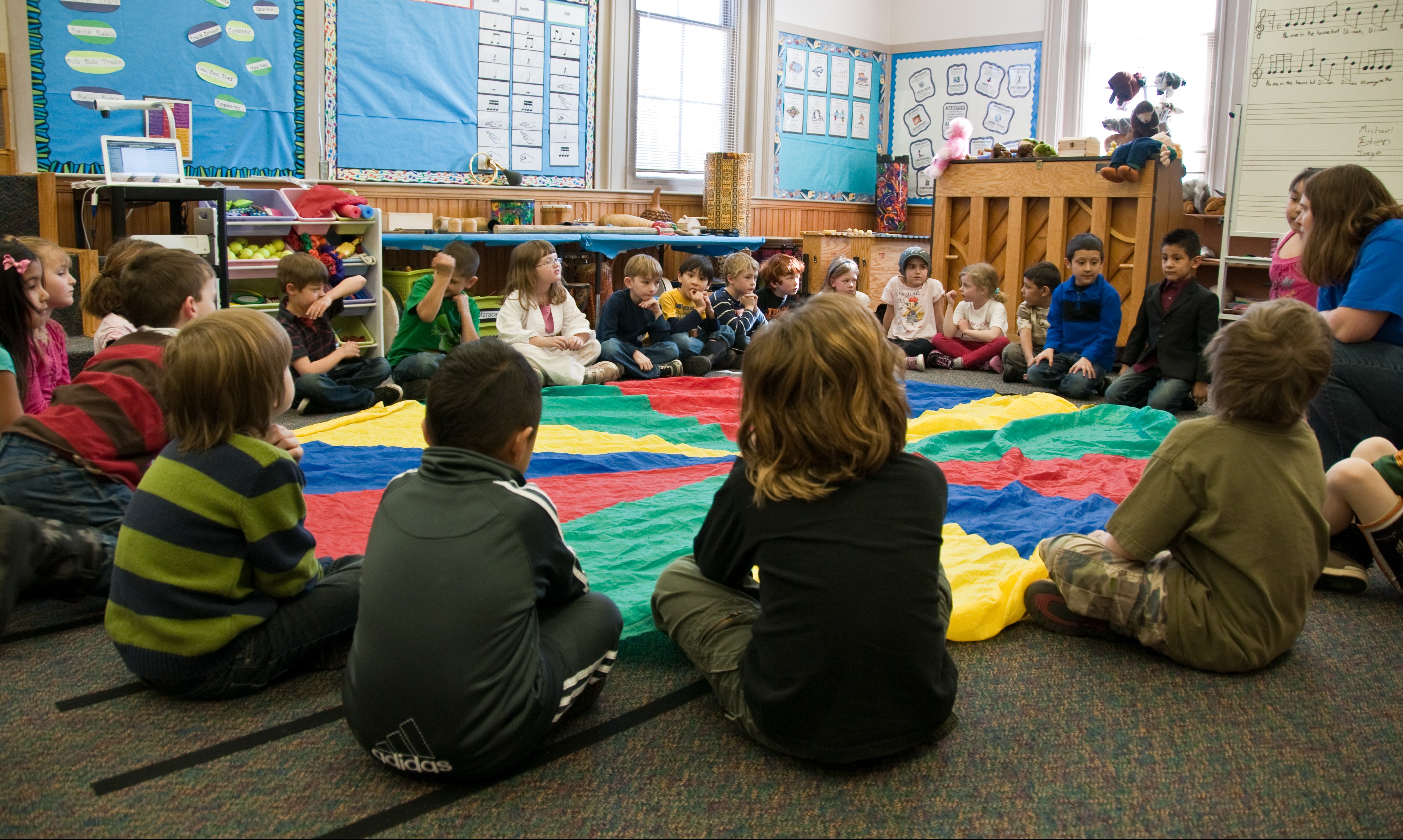
Closing the private school enrollment gap: Are education vouchers enough?
•
Variations in parental education and income explain most of the ethnic, racial, and immigrant differences in private school attendance.
-
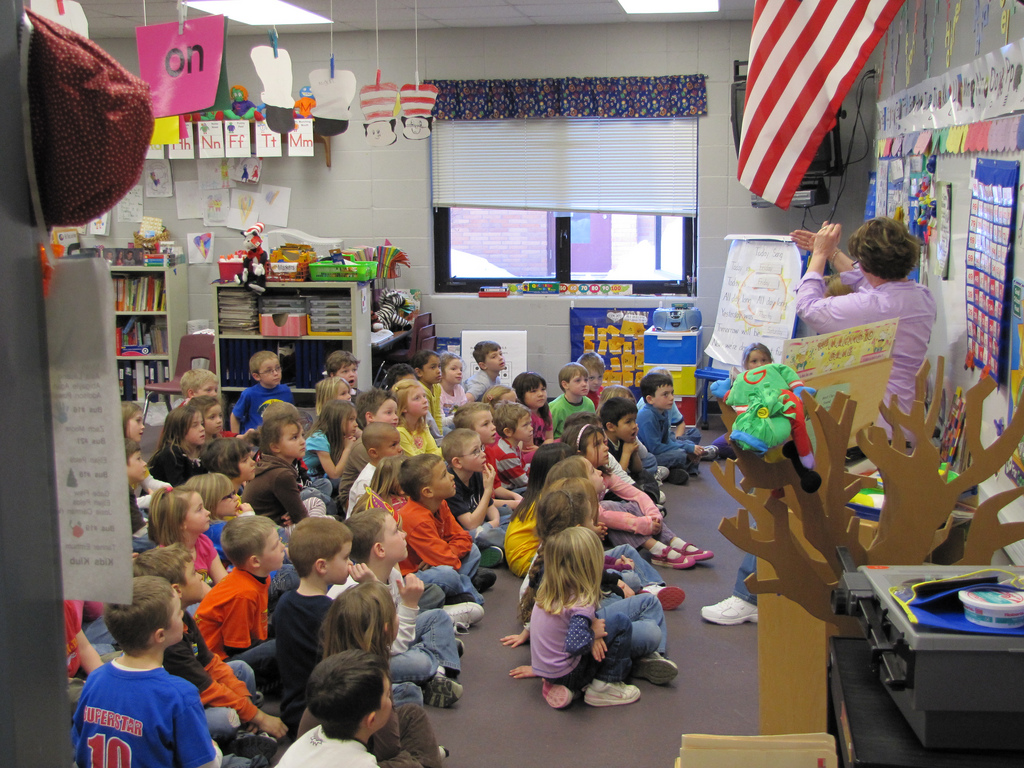
Should No Child Left Behind Be Reauthorized? The Impact of Accountability Pressure on Teachers and Students
•
A recent study in the American Economic Journal is the first to look at the impact of No Child Left Behind incentives on teachers and students nationwide.
-
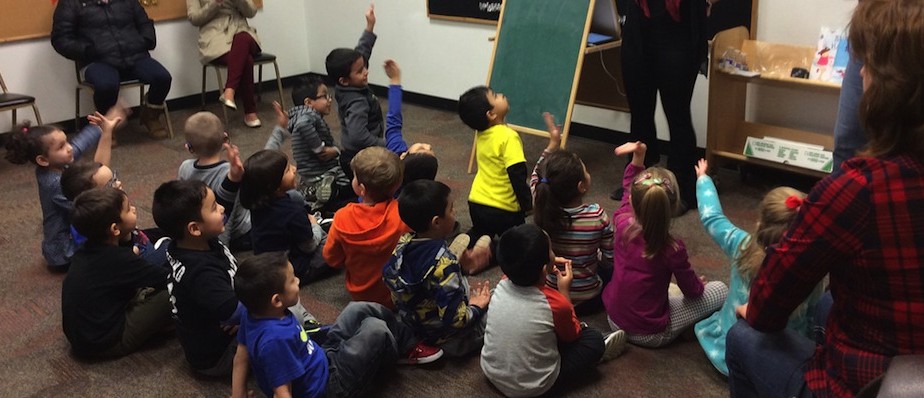
If you Give a Kid a Preschool, She’ll Probably Want to Learn: Insights into Head Start
•
New research based on the Head Start Impact Study helps identify the program characteristics that lead to the greatest student gains.
-

Sheltered Without Support: Where Do Most Homeless Families End Up?
•
Mothers of families struggling with homelessness most frequently seek out two main sources of help: doubling up by moving in with friends and family and emergency shelter stays. Both of these options offer an immediate reprieve but may have negative long-term effects.